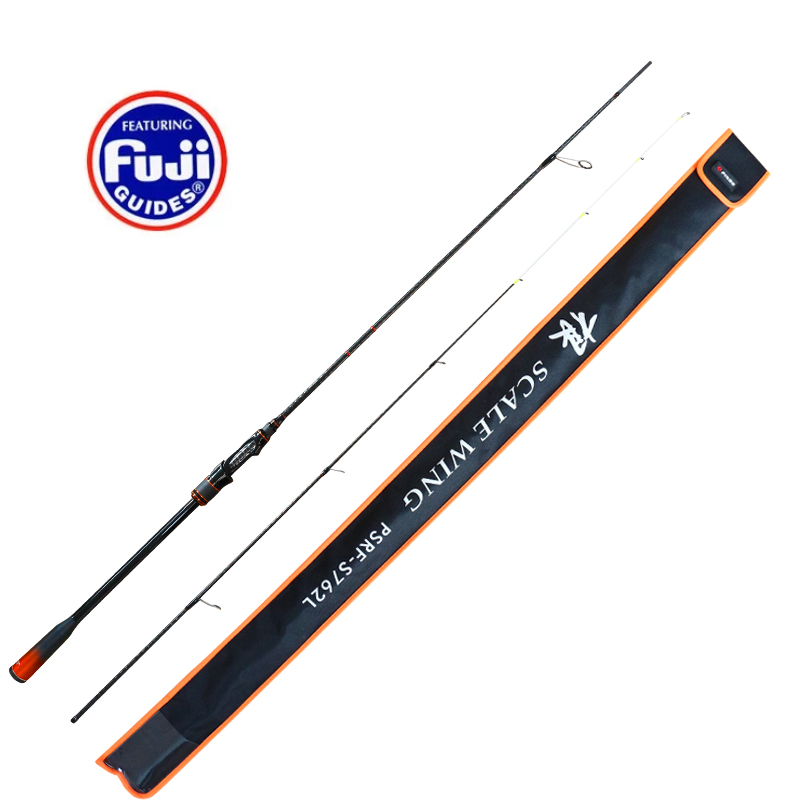
In deep water exceeding 200 feet, hydrodynamic drag, subsurface currents, and line stretch magnify gear inefficiencies. Under these extreme conditions, rod responsiveness becomes the primary differentiator between a successful hookup and a missed strike. Anglers frequently experience spongy lure presentations, extreme physical fatigue, and undetected bites simply because their rod's blank recovery and power rating are mismatched to the depth and jig weight.
Evaluating a Jigging Rod for deep-water applications requires moving beyond basic length and weight metrics. You must analyze the structural mechanics of the blank. This guide breaks down the technical specifications—blank material, taper, power ratings, and componentry—necessary to select a rod that maintains absolute control over heavy jigs at extreme depths. By understanding how these elements interact under heavy vertical loads, you eliminate tackle failure and drastically improve your strike conversion rate.
Blank Material Dictates Recovery: High-modulus carbon is essential for immediate energy transfer and rapid blank recovery, which is critical for animating jigs at depth.
Power Must Exceed Lure Weight: Using a 300g+ jig in deep water requires a Heavy or Extra-Heavy rating; under-gunning results in the rod "doubling over" and losing all responsiveness.
Taper Determines Technique: A slow jigging rod relies on a parabolic bend and natural recoil to pitch the lure, whereas speed jigging requires a stiffer, faster-action blank.
System Synergy is Mandatory: The most responsive rod is rendered ineffective without thin-diameter braided line to cut through water resistance and maintain direct contact.
The Physics of Deep Water Jigging: Defining Responsiveness
Hydrodynamic Drag and Lure Control
Working a jig in deep water involves fighting multiple opposing forces simultaneously. Water pressure increases significantly with depth. Subsurface currents push against both the main line and the surface area of the jig. A 300-gram metal jig dropping past 250 feet generates substantial hydrodynamic drag. When you factor in a strong cross-current, the actual resistance felt at the rod tip can double. The rod must overcome this combined resistance before any movement transfers to the lure.
Responsiveness in this context is the rod's ability to defeat these forces and instantly translate angler input into lure movement without lag. A responsive blank absorbs the initial shock of the upward sweep, loads energy efficiently, and unloads that energy rapidly. If the rod lacks the necessary stiffness or recovery speed, the energy dissipates into the water column. The result is a jig that drags sluggishly rather than darting erratically. Predatory fish ignore sluggish presentations.
Consider the profile of the lure. A long, slender knife jig cuts through the water easily but still requires a sharp snap from the rod tip to dart laterally. A wider, teardrop-shaped slow pitch jig catches more water. It demands a rod that can handle the increased drag without folding. You need a blank that snaps back to straight immediately after the load is released.
Bite Detection at Depth (The 300ft+ Challenge)
Detecting strikes at extreme depths requires highly specialized equipment. Unlike aggressive surface strikes, deep-water hits often feel lethargic. Pressure bites occur when a fish inhales the jig and swims upward or simply holds it in the current. These strikes frequently present as a sudden loss of weight or a subtle heaviness rather than a sharp tap. Recognizing these variations demands a blank that transmits vibration flawlessly.
High-transmission materials are mandatory for telegraphing the gentle take of a slow-moving fish up the blank. Graphite constructs with minimal resin content allow acoustic vibrations to travel from the line, down the blank, and into your hands. When fishing past 300 feet, relying on visual cues from the rod tip is insufficient. You must feel the mechanical interruption of the jig's cadence.
Imagine dropping a 400-gram payload into a 3-knot current. The line is tight. Suddenly, the rhythmic pulsing of the jig stops. The rod tip doesn't jerk down; it simply stops bouncing. A rod that dampens these subtle vibrations will cause you to miss the split-second window required for a solid hookset. You need a direct, unfiltered connection to the terminal tackle.
Blank Construction: The Engine of a Carbon Jigging Rod
High-Modulus Carbon vs. Composite Blanks
The foundation of any high-performance vertical fishing tool is its blank material. High-modulus carbon offers a superior stiffness-to-weight ratio, rapid recovery speed, and exceptional sensitivity. When you sweep the rod, high-modulus carbon snaps back to its original straight position almost instantly. This rapid recoil is what actively works the jig. It allows you to impart precise, sharp movements even under heavy drag.
Manufacturers grade carbon by tonnage. A 30-ton or 40-ton carbon blank provides the crisp, immediate response required for deep drops. Conversely, fiberglass and composite blends prioritize durability and impact resistance. They excel at surviving high-sticking errors and boat-side chaos. However, their inherently slower recovery leads to a mushy feel in deep water. The blank absorbs too much of your physical input.
The trade-off is clear. Pure carbon is more brittle and requires disciplined handling. Composites sacrifice the crisp recoil needed for deep-water responsiveness. For dedicated deep-water applications, a pure carbon jigging rod remains the superior choice for lure manipulation.
Material Performance Comparison
| Material Type | Recovery Speed | Sensitivity | Durability / Impact Resistance | Best Application |
| High-Modulus Carbon | Extremely Fast | High | Low (Prone to high-sticking breaks) | Deep water, technical jigging |
| Fiberglass | Slow | Low | Extremely High | Trolling, heavy bait fishing |
| Composite Blend | Moderate | Moderate | High | All-around boat rods, novice anglers |
Blank Wall Thickness and Hoop Strength
Achieving raw lifting power without creating an unwieldy, heavy rod requires advanced manufacturing techniques. Traditionally, manufacturers increased deep-water power by simply adding material. This resulted in thicker blank walls. While strong, this approach adds significant weight, increasing angler fatigue during extended drops. Modern engineering solves this through multi-directional carbon wrapping, commonly known as X-wrap technology.
By wrapping carbon tape tightly around the mandrel at opposing angles, manufacturers drastically increase the blank's hoop strength. Hoop strength is the rod's ability to maintain its tubular shape under extreme bending loads. When a deep-water sounding fish pulls hard, the rod blank wants to flatten into an oval. If it ovalizes too much, the carbon fibers buckle and the rod snaps.
High hoop strength prevents this deformation. It allows a remarkably thin, lightweight blank to deadlift massive weights without structural failure. You can visually inspect a blank for these wraps. The cross-hatch pattern is usually visible on the lower third of the rod, right above the reel seat. This reinforced section provides the lifting backbone, while the unwrapped tip section retains the flexibility needed to pitch the lure.
Evaluating Rod Power and Lure Weight Ratings
The Danger of Under-Gunning (Rod "Doubling Over")
Matching rod power to jig weight is a strict mechanical requirement. Utilizing a Medium-power rod with a 300g+ jig creates immediate tackle failure. The sheer weight of the heavy metal lure, combined with water resistance, fully loads the blank before you even begin your retrieve. The rod doubles over into a deep bend just hanging in the current.
When a rod is fully loaded by the static weight of the jig, it possesses zero reserve power. You cannot impart erratic action because the blank has no remaining stiffness to recoil. Furthermore, driving a heavy gauge hook into the bony jaw of a deep-water predator becomes impossible. The rod simply acts as a shock absorber. It fails to transfer the force of the hookset to the terminal tackle.
Signs you are under-gunning your setup include:
The rod tip points straight down at the water while resting in the rod holder.
Upward sweeps result in the rod bending deeper, but the reel retrieves no line.
You feel severe wrist strain trying to force the blank to recover.
The jig feels like a dead weight rather than a darting baitfish.
Always ensure your rod possesses enough backbone to support the jig while maintaining at least 60% of its recovery potential.
Vertical Drag Capability vs. Casting Weight
Anglers frequently confuse casting weight with vertical drag capability. Casting weight refers to the optimal load for lobbing a lure horizontally without snapping the tip. In an up-and-down deep water scenario, the rod's vertical drag capability is the primary performance metric. A rod rated to cast 2 ounces can often handle a 6-ounce jig vertically because the load is distributed differently across the blank's taper.
A standard baseline evaluation framework dictates using roughly 1 gram of jig weight per 1 foot of water. You must adjust this upward for heavy currents. Therefore, fishing in 300 feet of water typically requires jigs ranging from 300g to 500g. Managing these payloads effectively requires rods rated for Heavy (H) or Extra-Heavy (XH) vertical loads.
These ratings ensure the lower third of the blank remains rigid enough to fight the fish. The upper sections handle the rhythmic loading and unloading of the heavy jig. When reading rod specifications, look specifically for the maximum jig weight rating rather than the standard lure weight rating.
Action and Taper: Aligning the Blank with the Technique
Fast Action Dynamics for Speed Jigging
Traditional speed jigging, or yo-yo jigging, demands a specific mechanical profile. The technique involves high-speed, aggressive upward sweeps synchronized with rapid reel cranks. To facilitate this, the rod requires a stiff lower two-thirds and a fast tip. A fast action blank bends primarily in the upper 25% to 30% of its length. This provides a rigid backbone that instantly transfers maximum force to the lure.
This aggressive taper quickly rips heavy jigs through the water column. It creates the fleeing baitfish illusion necessary to trigger reactionary strikes from pelagic species. Fast action dynamics pair optimally with high-speed conventional reels. This allows you to gain line rapidly between sweeps.
The stiffness ensures that even at high velocities, the hydrodynamic drag does not overpower the rod's ability to maintain a tight, controlled connection to the jig. You drive the hook home with a short, violent upward thrust. The fast taper guarantees that energy reaches the hook point instantly.
Parabolic Action in a Slow Jigging Rod
Slow pitch mechanics operate on entirely different physics. Instead of forcing the jig upward through sheer physical strength, the technique relies on the rod's natural recoil. A true slow jigging rod features a parabolic action. It bends deeply throughout the entire length of the blank. When you crank the reel, the rod loads deeply. When you pause, the blank unloads, snapping back to straight.
This unloading phase is what actually pitches the jig horizontally in the water column. It allows the lure to flutter downward like a wounded baitfish. The rod does the heavy lifting, not your arms.
The implementation risk here is severe. Utilizing a fast-action rod for slow pitch techniques results in unnatural, jerky lure presentations. It drastically increases physical fatigue. The rigid backbone of a fast rod prevents the deep loading necessary to execute the slow pitch properly. You end up fighting the rod instead of working the jig.
Rod Action Comparison for Deep Water Applications
| Technique | Blank Taper / Action | Primary Bending Point | Lure Movement Mechanic |
| Speed Jigging | Fast / Extra Fast | Top 25% - 30% | Aggressive rod sweeps and rapid cranking |
| Slow Pitch Jigging | Parabolic / Moderate | Throughout the entire blank | Rod recoil and strategic reel pitching |
Componentry That Influences Responsiveness
Guide Train Weight and Line Flow
The physical weight of the guides directly impacts a rod's recovery speed. Heavy guides add mass to the tip section. This creates a pendulum effect that dampens the crispness of a carbon blank. When the rod unloads, excess weight causes the tip to wobble rather than stopping sharply. This wobble introduces slack into the line, killing the jig's action and masking subtle strikes.
Evaluating frame materials is a mandatory step for deep-water rods. Titanium frames are the lightest and offer complete corrosion resistance. Stainless steel frames are heavier but serve as the industry standard for budget-conscious builds.
Conventional setups benefit massively from acid-wrapped, or spiral, guide trains. By transitioning the line from the top of the blank to the bottom, spiral wraps eliminate the twisting force that naturally occurs under heavy loads. This rod torque forces you to grip the rod tighter just to keep the reel upright. Acid wraps remove this torque entirely, allowing the blank to flex purely along its spine.
Reel Seat and Handle Ergonomics
Deep-water jigging subjects you to intense physical strain. Handle ergonomics are a functional necessity, not a comfort feature. A longer rear grip is absolutely required. The extended length allows you to lock the rod butt securely under your armpit. This positioning provides maximum leverage for working heavy jigs. It mitigates forearm fatigue during prolonged fights with deep-water species.
A standard rear grip for this application should measure between 15 and 18 inches from the back of the reel seat to the gimbal. Anything shorter forces you to fight the fish using only your wrist and forearm strength.
Reel seat security is equally vital. The torque generated by cranking heavy weights from the depths can easily twist a reel out of alignment. Standard single-nut reel seats frequently back off under this constant vibration and pressure. Double-locking nuts are mandatory on heavy-duty setups. They lock the reel foot firmly in place, ensuring zero lateral movement and maintaining direct energy transfer from the reel to the blank.
The System Approach: Integrating the Saltwater Fishing Rod
The Role of Thin-Diameter Braid
Even the most advanced, highly responsive rod is rendered completely useless if paired with the wrong line. Rod responsiveness is entirely dependent on line choice. It is the single most important factor for maintaining direct contact in deep water. Thick monofilament or low-quality, thick-diameter braid catches the subsurface currents. This creates a massive belly in the line between the rod tip and the jig.
When a bow forms, your upward rod sweeps merely straighten the line rather than moving the lure. The current absorbs the rod's action. To maximize the design capabilities of a premium saltwater fishing rod, you must utilize ultra-thin, high-carrier PE braid.
An 8-strand or 12-strand PE line offers exceptional breaking strength at microscopic diameters. It slices through the water column with minimal drag. This ensures that every millimeter of rod movement translates directly to the jig. Dropping from a PE 4.0 to a PE 2.5 line can halve the amount of drag you fight, instantly making your rod feel faster and more responsive.
Reel Drag Capabilities vs. Rod Load
A high-performance setup operates as a synergistic system. The reel's drag output must perfectly complement the rod's maximum load rating. Deep-water carbon blanks are incredibly strong under smooth, steady pressure. However, they can be brittle against sudden, sharp shocks. This makes a buttery-smooth drag system non-negotiable.
If a reel has a sticky drag that hesitates before releasing line, a sudden surge from a large fish will shock-load the rod. Combined with the extreme vertical angle typical of deep-water fights, this sudden spike in pressure can cause catastrophic blank failure.
When evaluating your system, ensure the reel's strike drag setting does not exceed the structural limits of the rod blank. The drag must yield smoothly before the carbon reaches its breaking point.
Follow these steps to balance your system:
Identify the rod's maximum drag rating, usually printed on the blank near the handle.
Set your reel's strike drag to no more than 30% of your main line's breaking strength.
Test the drag pull with a spring scale to ensure it releases smoothly without initial hesitation.
Never lock down the drag completely when fishing vertically with high-modulus carbon.
Conclusion
Audit your current reel and line setups to ensure they do not bottleneck your rod's performance by upgrading to ultra-thin 8-strand or 12-strand PE braid.
Verify the manufacturer's maximum vertical load ratings and warranty terms before finalizing any high-modulus carbon rod purchase.
Test your reel's drag system with a spring scale to confirm it yields smoothly well below the rod blank's structural breaking point.
Measure the rear grip of your prospective rod to ensure it provides at least 15 inches of clearance for secure under-arm locking during deep drops.
FAQ
Q: What is considered deep water for jigging?
A: In the context of jigging, deep water generally refers to depths exceeding 200 feet, often extending down to 600 feet or more. At these depths, hydrodynamic drag, water pressure, and subsurface currents severely alter how lures behave. This environment requires specialized heavy-jigging equipment and ultra-thin braided lines to maintain control and detect strikes effectively.
Q: Can I use a standard saltwater fishing rod for deep water jigging?
A: No. Standard saltwater rods lack the specific parabolic tapers, hoop strength, and rapid blank recovery needed to animate heavy jigs vertically. They often double over under the static weight of a 300g+ jig. This leaves no reserve power to impart lure action, control the drop, or drive a heavy-gauge hook into a fish at depth.
Q: How heavy of a jig do I need for fishing in 300 feet of water?
A: A standard baseline is 1 gram of jig weight per 1 foot of water. Therefore, 300 feet of water typically requires a 300-gram jig. However, if you are dealing with strong subsurface currents or heavy wind drift, you must increase the weight to 400g or 500g to maintain a strict vertical presentation.
Q: What is the exact difference between a slow jigging rod and a speed jigging rod?
A: A speed jigging rod features a fast action with a stiff backbone to aggressively rip jigs vertically through the water. A slow jigging rod has a highly parabolic, moderate action that bends deeply. It relies on the blank's natural recoil to pitch the jig horizontally, requiring less physical force from the angler to work the lure.
Q: Why is a carbon jigging rod preferred over fiberglass for deep water?
A: Carbon offers a significantly higher stiffness-to-weight ratio and much faster recovery speed than fiberglass. This rapid recoil is essential for instantly transferring energy to the jig at extreme depths. Carbon also provides superior sensitivity, allowing you to feel subtle pressure bites that a softer fiberglass blank would absorb and mask entirely.
Q: How does line diameter affect my jigging rod's sensitivity?
A: Thick lines catch subsurface currents, creating a large bow in the water. This slack absorbs rod movements and dampens vibrations before they reach your hands. Ultra-thin PE braid cuts through the water with minimal resistance. It keeps the line tight, maximizing the rod's ability to transmit strikes and maintain absolute control over the lure.

