Deep-water jigging beyond 300 feet takes a severe physical toll on anglers. Working heavy lures through strong ocean currents demands highly precise equipment. You need gear transferring minimal physical effort into maximum underwater lure action. Standard boat rods absorb too much kinetic energy during these drops. This energy loss leaves you working a lifeless, "dead" jig at the bottom. It also accelerates your physical fatigue rapidly during a long trip.
Responsiveness at extreme depths represents a complex engineering challenge rather than a mere marketing buzzword. A highly responsive tool relies on the precise intersection of blank material recovery rates. It requires carefully engineered taper profiles. You must also utilize torque-reducing hardware to fight dense water and braided line stretch effectively. Understanding these specific mechanical elements helps you eliminate dead drops and animate your lures with absolute precision.
Key Takeaways
- Responsiveness dictates how quickly the rod blank returns to its straight position (recovery rate), animating the jig without delay.
- A true carbon jigging rod uses specific resin-to-carbon ratios to balance extreme recoil with structural durability.
- Action and taper must align with the specific technique; a slow jigging rod requires a deep parabolic bend compared to standard speed-jigging models.
- Minimizing blank twist under load (often via spiral-wrapped guides) is critical for transferring power efficiently from the angler to the fish.
The Physics of Deep-Water Responsiveness
Fishing at extreme depths introduces severe environmental challenges. Water pressure acts as a massive dampening field. You must overcome these forces to animate a lure properly.
The Depth Penalty
Working a jig at 400 feet involves fighting multiple layers of resistance. The ocean does not want your lure to move. Water pressure, subsurface currents, and line stretch act as giant shock absorbers. These elements dampen rod movements long before they reach the jig. We can break down the depth penalty into three core factors:
- Hydrodynamic Drag: Deep currents push against your braided line, creating a massive underwater bow. This bow absorbs your upward rod sweeps.
- Water Density: Heavy jigs face immense resistance when pulled vertically. The water essentially crushes the lure's intended action.
- Line Stretch: Even premium braided lines stretch slightly under heavy tension. Over 400 feet, a 2% stretch equals 8 inches of lost motion.
Input vs. Output Efficiency
We define "responsiveness" in this specific context as the efficiency of energy transfer. A highly responsive tool dictates a direct correlation between your physical input and the lure's output. Imagine executing a 10-inch upward sweep at the surface. A premium Jigging Rod ensures this input results in an immediate, proportional movement of the heavy jig at 400 feet. Sluggish blanks absorb your input. They flex deeply but fail to spring back. This poor recovery means a 10-inch surface sweep might only move the jig two inches. You lose 80% of your kinetic energy to blank deformation.
The Fatigue Factor
We must evaluate the physical cost of poor responsiveness. Biomechanics play a huge role during offshore trips. Pitching a 300-gram lure hundreds of times a day breaks down muscle tissue. Rods possessing sluggish recovery require the angler to constantly overcompensate. You must pull harder and sweep higher just to generate basic lure flutter. This overcompensation accelerates physical exhaustion rapidly. An unresponsive blank turns a fun multi-hour trip into a grueling workout. Precision engineering eliminates this wasted effort. It allows the carbon fibers to do the heavy lifting instead of your shoulders.
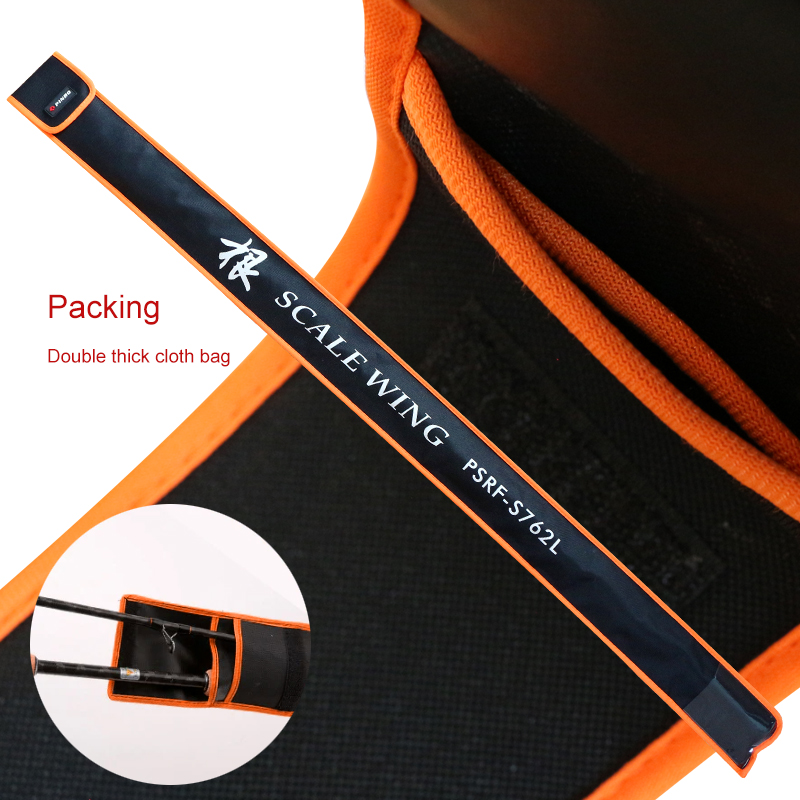
Blank Construction: Evaluating a Carbon Jigging Rod
The core of any responsive fishing tool lies in its blank construction. Engineers must balance extreme stiffness against impact durability. This delicate balance determines how well the gear performs in deep water.
Carbon Tonnage and Blank Recovery
High-modulus carbon serves as the foundation for modern offshore gear. Manufacturers utilize specific carbon tonnages for their aggressive snap-back properties. We must differentiate between sheer stiffness and rapid structural recovery. A broomstick is incredibly stiff, but it lacks recovery speed. High-tonnage carbon fibers bend under pressure and violently snap back to their original straight position. We call this "return to zero." A carbon jigging rod utilizes this rapid return to zero to catapult the lure upward. The faster the blank recovers, the sharper and more erratic the jig's action becomes.
Resin Matrices
Understanding the reality of manufacturing helps you evaluate quality. Pure high-modulus carbon is actually too brittle for violent saltwater strikes. If you build a blank using only raw carbon, it shatters under sudden impact. We must evaluate how premium builders solve this problem. Top-tier manufacturers blend carbon sheets with advanced nano-resins. These silica nanoparticles fill microscopic gaps between the carbon fibers. This matrix maintains elasticity without sacrificing the crisp recoil needed for deep-water responsiveness. The resin acts as a shock absorber for the carbon itself. It prevents micro-fractures when a 50-pound grouper unexpectedly crushes your lure.
Wall Thickness vs. Blank Diameter
Engineers face a constant trade-off regarding physical dimensions. You want the lightest gear possible. However, the blank must survive dead-lifting heavy fish from the depths. The solution lies in manipulating wall thickness and blank diameter. Thick-walled, narrow-diameter blanks provide immense structural integrity. They deliver the necessary "hoop strength" to prevent the carbon tube from ovaling under extreme bends. If a blank ovals too much, it immediately snaps. Narrow diameters also slice through wind and reduce overall bulk. This specific engineering profile keeps the equipment lightweight while retaining massive lifting power.
Action and Taper: Aligning Rod Dynamics with Technique
Material quality alone cannot guarantee success. The physical shape of the blank dictates how it behaves under load. Action and taper must align perfectly with your chosen fishing technique.
The Parabolic Curve of a Slow Jigging Rod
Slow-pitch techniques require specialized geometry. A proper slow jigging rod utilizes a slow-taper, highly parabolic profile. It bends deeply all the way down through the handle grip. The blank itself must act as a fully loaded spring. You turn the reel handle, the blank bows deeply, and then it aggressively unloads. This unloading action pitches the lure horizontally into the water column. The lure then flutters downward, imitating a dying baitfish. You rely almost entirely on the blank's spring-back properties to move the lure, rather than relying on your own cranking speed.
Fast/Speed Jigging Requirements
Traditional speed jigging demands a completely different approach. This technique involves rapid, aggressive vertical cadences. You sweep upward violently while reeling at high speed. Speed jigging blanks require a much stiffer mid-section to handle this heavy rhythm. A slow-pitch taper would simply bottom out and collapse under a fast-pitch cadence. The stiffer mid-section absorbs the violent shocks of rapid retrieves. It ensures the lure darts erratically without the blank folding over entirely. You match the taper to the specific cadence you intend to fish.
Matching Jig Weight Ratings
You must evaluate rod specifications carefully before dropping a line. Manufacturers print specific jig weight ratings on the lower blank. These numbers are strict operational parameters. Here is a practical framework for matching weights:
- Under-loading the blank: Dropping a 100-gram lure on a rod rated for 400 grams fails completely. The lure lacks the mass to bend the carbon. You get zero spring-back, resulting in a lifeless presentation.
- Over-loading the blank: Dropping a 500-gram lure on a rod rated for 200 grams causes blank collapse. The carbon bends to its maximum limit just holding the lure. You cannot impart any action because the blank has zero remaining recovery power.
- Hitting the sweet spot: Match your lure exactly to the middle of the rated range. This ensures perfect parabolic loading and maximum responsiveness.
Torque Management and Guide Systems
Energy transfer relies on keeping the line perfectly aligned with the blank. Poor guide layouts bleed kinetic energy. Managing torque keeps you in control during brutal offshore battles.
Blank Twist under Heavy Load
Conventional guide placements position the running guides on top of the blank. This creates a severe leverage problem. When a heavy fish pulls downward, the line naturally wants to seek the lowest point. This creates lateral torque. The guides act as lever arms, aggressively twisting the rod blank sideways. Your wrist must constantly fight this twisting force to keep the reel upright. This twisting bleeds kinetic energy during a heavy retrieve. It compromises the blank's spine and drastically reduces your vertical lifting power.
Spiral (Acid) Wrapping Implementation
Custom builders utilize spiral-wrapped guides to solve the torque problem. We often call this an "acid wrap." This layout transitions the fishing line from the top of the reel down to the bottom of the blank. The first guide sits slightly offset. The next few guides rotate around the blank's circumference. The remaining guides sit perfectly underneath. This functional design stabilizes the equipment entirely. The line pull is directed safely underneath the blank. The twisting force disappears. This ensures 100% of your lifting power is directed vertically, minimizing fatigue.
Guide System Performance Matrix
We can evaluate the differences between guide layouts clearly.
| Guide Layout Style | Lateral Torque Level | Energy Transfer Efficiency | Fatigue Impact on Angler |
| Conventional Top Wrap | High (Requires wrist stabilization) | Moderate (Energy lost to twist) | High (Accelerates wrist fatigue) |
| Spiral (Acid) Wrap | Zero (Line naturally stabilized) | Maximum (Direct vertical lift) | Low (Ergonomically efficient) |
Guide Sizing and Material
Deep-water environments generate immense friction. Tight braided lines moving rapidly under heavy drag produce severe heat. You must evaluate the inner ring materials of your guides. Premium inserts like Silicon Carbide (SiC) or Torzite dissipate heat incredibly fast. Cheap ceramic guides retain heat, eventually grooving or cracking under pressure. A cracked guide insert instantly shreds your mainline. Small, micro-sized guides also keep the line running tight against the blank. This tight profile maximizes the transmission of vibrations, letting you feel subtle bites at extreme depths.
Shortlisting Your Ideal Saltwater Fishing Rod for Deep Drops
Purchasing the right equipment requires systematic evaluation. You must match the gear to your specific ocean conditions. Avoiding generic equipment saves you from costly failures.
Identifying Success Criteria
You must define two strict operational metrics before shopping. First, determine your primary target depth. Second, calculate the average weight of the lures needed to hold bottom in that depth. A common baseline requires one gram of lure weight per foot of water depth. Therefore, fishing in 300 feet usually requires 300-gram lures. These two metrics strictly dictate your required blank rating. Never buy a rod based on brand name alone. Buy it based on the exact weight rating required for your specific ocean currents.
Ergonomics and Handle Length
Handle design heavily influences your biomechanical efficiency. You must evaluate grips based on your chosen technique. A premium saltwater fishing rod offers distinct handle profiles. Slow-pitch styles require long, split-grip rear handles. You tuck this long handle firmly under your armpit to stabilize the blank while cranking. Speed jigging often requires robust EVA full grips designed to slot securely into a fighting gimbal. The underarm length must clear your forearm completely. A handle that is too short bruises your ribs. A handle that is too long snags your clothing.
Verifying Build Quality
You must inspect structural integrity points carefully. Check the reel seat locking nuts. They should utilize dual-locking aluminum rings to prevent the reel from ripping off under drag. Examine the guide epoxy finish. It should be thin and smooth. Thick, sloppy epoxy adds unnecessary dead weight, killing blank recovery. Tap the blank with your fingernail. A responsive carbon blank sounds crisp and high-pitched. Avoid generic composite models entirely. They often hide poor recovery rates and dull actions behind thick, heavy fiberglass outer layers.
Best Practice: Always mount your reel onto the rod before purchasing. The balance point should rest directly at the reel seat. A tip-heavy combo will destroy your wrists after three hours of continuous action.
Conclusion
Achieving true responsiveness in deep water demands precision engineering. A highly responsive tool actively fights water pressure and structural fatigue on your behalf. It utilizes high-recovery carbon blanks to guarantee rapid return to zero. It employs technique-specific tapers to load and unload energy efficiently. Features like spiral-wrapped guides eliminate torque, directing all your physical effort straight down to the lure. When all these elements align, you animate lures perfectly at extreme depths without destroying your body.
Take actionable steps before your next offshore trip. Evaluate your intended target depths. Calculate your required lure weights based on local current speeds. Browse specific models explicitly mapped to those exact specifications. Upgrading to a properly rated, torque-managed carbon blank will instantly eliminate dead drops and dramatically increase your strike rate.
FAQ
Q: Can I use a standard bottom fishing rod for deep-water jigging?
A: No. Standard bottom rods lack the specific blank recovery rate required to spring the jig upward. They absorb the motion, requiring more physical effort to move the lure properly. They are built for dead-lifting, not rapid lure animation.
Q: What is the difference between a slow jigging rod and a fast pitch rod?
A: A slow pitch rod is highly parabolic, bending deeply to the handle to load and "pitch" the jig on the rebound. A fast pitch rod is stiffer in the mid-section for aggressive, high-speed vertical retrieves.
Q: Does a lighter rod mean better responsiveness?
A: Not necessarily. While high-tonnage carbon reduces weight and increases recoil speed, the rod must still possess adequate wall thickness to survive deep-water pressure and heavy fish. Balance is more critical than absolute low weight.
Q: Why do some deep-water jigging rods have guides wrapped in a spiral?
A: Spiral-wrapped (acid-wrapped) guides prevent the rod blank from twisting under heavy drag. This design keeps the rod perfectly stable, improving lifting power and reducing angler fatigue during long fights from deep water.

