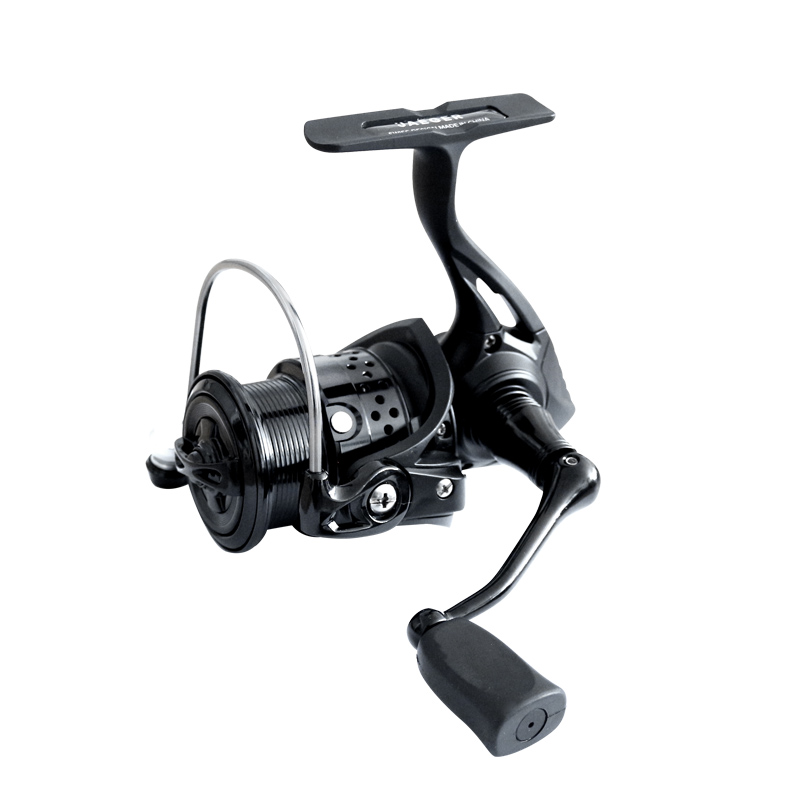
Fishing at extreme depths requires heavy tackle and highly specialized strategies. Managing massive kite spreads also pushes traditional manual gear well beyond its normal limits. In these specific scenarios, moving past manual retrieval prevents severe angler fatigue. It also maximizes your valuable time actively fishing in the strike zone. You need the right tools to handle the grueling physical demands of offshore marine environments. This guide provides a feature-led, brand-agnostic framework for evaluating electric equipment based on target species, maximum depth requirements, and your vessel’s specific power capabilities. You will learn exactly how to balance internal motor placement, sustained torque ratings, and onboard power infrastructure to make an informed purchase. Keep in mind, motorized setups require entirely distinct power management protocols. You will also need dedicated deep-drop rods and specialized routine maintenance practices to ensure optimal long-term reliability.
Key Takeaways
Spool capacity and maximum drag must align strictly with your maximum target depth and species weight class.
Winding power and retrieval speed are discrete metrics; prioritize torque over speed for deep-drop bottom fishing.
Power integration (onboard 12V/24V vs. portable lithium batteries) dictates mobility and vessel wiring requirements.
Digital features like auto-stop and programmable jigging add value but require manual override capabilities for reliability.
1. Defining Your Core Application and Success Criteria
You must clearly define your primary fishing method before analyzing specific technical specifications. Different marine environments place entirely different demands on motorized equipment. A setup optimized for pulling heavy weights from the ocean floor will underperform during high-speed surface tactics.
Deep-Dropping for Swordfish, Tilefish, and Halibut
Deep-dropping represents the most common application for motorized retrieval. Target species like daytime swordfish or deep-water tilefish live at extreme depths. You often fish between 1,000 and 1,800 feet down. This vertical distance requires maximum line capacity. Your spool must hold at least 1,000 yards of heavy braided line. Deep-drop applications also demand high sustained winding torque. You must lift heavy lead weights, sometimes exceeding 10 pounds, against strong ocean currents.
Kite Fishing
Kite fishing utilizes completely different mechanical priorities. You deploy baits from a kite suspended above the water surface. When a pelagic fish strikes, you must clear the remaining kite lines quickly. This prevents tangles during the fight. Kite fishing prioritizes rapid retrieval speeds over outright winching power. You need a motor capable of quickly gathering loose line rather than dead-lifting heavy deep-sea weights.
Physical Assistance and Accessibility
Many anglers utilize lighter-duty setups to overcome physical limitations. Motorized assist systems allow individuals experiencing shoulder or back issues to enjoy offshore fishing. These specific applications typically target mid-depth species like snapper or grouper. The equipment prioritizes lighter overall weight and simplified ergonomic controls rather than extreme depth capacities.
Cost vs. Outcome
You must establish a realistic baseline budget based on your expected frequency of use. Entry-level models typically range from $500 to $1,000. These lower-cost options work perfectly for occasional weekend drops in moderate depths. However, commercial operators and tournament anglers require absolute reliability. Commercial-grade systems cost upwards of $2,000. They feature upgraded heat dissipation and reinforced gear trains designed for daily abuse.
Common Mistake: Buying a high-speed kite reel for daytime swordfishing. High-speed motors lack the internal torque necessary to lift heavy sinkers from the bottom, which quickly leads to motor burnout.
2. Key Evaluation Dimensions: Matching Specs to Real-World Demands
Understanding manufacturer specifications helps you avoid costly purchasing errors. Marketers often highlight large numbers, but you must translate these metrics into real-world performance indicators.
Line Capacity and Braided Line Compatibility
Spool sizing requires precise calculations. You cannot simply match your line capacity to your target depth. Deep-water currents create significant line bow, often referred to as scope. You must size your spool for your maximum target depth plus a 20 to 30 percent safety margin. This extra capacity accounts for current drag, sudden break-offs, and deep line tangles. Always use high-quality, low-diameter braided line to minimize underwater water resistance.
Maximum Drag vs. Sustained Winding Power
Anglers frequently confuse maximum drag with winding power. These represent two completely distinct mechanical functions.
Maximum Drag: This measures the braking force applied to stop a running fish from stripping line.
Sustained Winding Torque: This measures the motor's actual lifting force. It determines how much dead weight the motor can pull upward from 1,500 feet without stalling.
When fishing for deep bottom dwellers, winding torque matters significantly more than maximum drag.
Retrieval Speed
Manufacturers measure retrieval speed in meters per minute. High-speed capabilities allow you to perform rapid bait checks. Hauling a bare hook up from 1,200 feet takes tremendous time without a fast motor. However, variable speed control proves equally critical. When fighting soft-mouthed fish like certain deep-water snappers, you must dial down the speed. Pulling too fast will tear the hook completely out of the fish's mouth.
Motor Location
Motor placement fundamentally changes the physical profile and thermal efficiency of the unit. You must evaluate the trade-offs between internal and external designs.
Motor Placement | Form Factor | Thermal Management | Best Application |
Internal (Inside Spool) | Compact, streamlined | Heat-sensitive during long fights | Recreational deep-dropping, kite fishing |
External (Side-Mounted) | Bulkier, wider profile | Excellent heat dissipation | Commercial harvesting, heavy swordfishing |
3. Weight Considerations, Ergonomics, and Rig Integration
Transitioning to motorized equipment requires adjusting your physical approach to tackle management. The sheer mass of these units changes how you interact with your gear.
The Bulk Trade-off
You must address the significant weight disparity. While you might use the best ultralight fishing reel for inshore casting, deep-water electric reels demand a fundamental shift in tackle management. High-capacity motorized units easily weigh between 3 and 6 pounds. You cannot actively hold this gear for extended periods. This bulk restricts the equipment strictly to rod holders or specialized fighting harnesses.
Rod Pairing
You cannot mount heavy motorized units onto standard offshore rods. The high-torque output requires dedicated deep-drop rods. These specialized rods feature stiff backbones to handle heavy lead weights. They also utilize bent-butt designs. A bent butt locks securely into the vessel’s rod holder, keeping the setup perfectly angled. Furthermore, deep-drop rods feature swivel-tip roller guides. A swivel tip actively rotates to follow the line angle, drastically reducing line friction during retrieval.
Mounting and Harnesses
Safety remains paramount when handling heavy loads under immense electrical tension. High-quality units feature reinforced clamp systems to secure the base to the rod seat. If you plan to fight fish standing up, evaluate the harness lugs. You will need strong kidney harnesses and specialized gimbal pads to safely manage the extreme downward pressure generated by large pelagic species.
Best Practice: Always attach a heavy-duty safety lanyard to your setup. A sudden strike from a massive swordfish can snap a rod holder pin and pull the entire expensive rig directly overboard.
4. Power Infrastructure and Implementation Risks
A motorized setup holds zero value without a reliable power delivery system. You must plan your vessel’s electrical infrastructure before making a final purchase.
Power Source Selection
You must choose between integrating into the boat’s electrical grid or utilizing independent power sources.
Hardwired Boat Power (12V/24V): Utilizing your vessel's onboard battery bank provides theoretically infinite runtime. Pros: You never have to swap batteries mid-fight. Cons: Hardwiring requires dedicated heavy-gauge marine wiring. You must install waterproof 30-amp Hubbell plugs. You also need dedicated breakers to handle sudden amp-draw spikes during heavy loads.
Portable Lithium Battery Packs: External battery packs attach directly to the housing or rest safely in your pocket. Pros: They provide complete mobility around the deck. You avoid expensive marine wiring projects. Cons: You face strict runtime limits. Batteries also introduce water intrusion risks and carry significant long-term replacement costs.
Saltwater Vulnerability
Electrical components degrade rapidly in saltwater environments. Always assess the manufacturer's IPX waterproof ratings. An IPX4 rating only protects against light splashing. For offshore marine use, look for IPX6 or higher ratings. These higher ratings indicate the unit can withstand heavy washdown spray. Sealed drag systems and easily washable chassis designs prevent internal saltwater intrusion.
Maintenance Realities
Motorized equipment demands strict post-trip care routines. You must implement mandatory freshwater misting after every single trip. Never use a high-pressure hose, as it forces saltwater deep into electrical housing seals. Instead, use a gentle freshwater mist. You must also apply marine terminal grease to all external power plugs to prevent rapid galvanic corrosion. Neglecting these maintenance realities leads directly to catastrophic electrical shorts.
5. Shortlisting Logic: Core Features vs. Unnecessary Gimmicks
Choosing your first electric fishing reel requires separating vital safeguards from flashy marketing features.
Essential Features
Focus your budget on features ensuring safety and fundamental performance.
Auto-Stop Capability: This remains the most crucial safety feature. When retrieving line at high speeds, you might look away momentarily. An auto-stop feature automatically halts the motor before the terminal swivel crashes into the rod tip. Without this, powerful motors will easily snap your rod guides or crack the rod blank.
Accurate Digital Line Counters: Precision matters in deep water. Pelagic species often suspend in specific temperature breaks called thermoclines. A digital line counter lets you drop your bait to the exact required depth, ensuring you stay in the active strike zone.
Manual Override/Hand Crank: You must have a manual fail-safe. If your vessel loses power or a portable battery dies, you still need to retrieve 1,000 feet of line. A manual crank handles unexpected electrical failures.
Situational Features
Some features sound impressive but provide limited value for specific fishing styles.
Programmable Jigging Modes: Many modern units offer automated jigging rhythms. This proves highly useful for specific pelagic targeting, particularly in Asian slow-pitch jigging markets. However, strictly deep-drop bottom anglers rarely utilize this function.
Bluetooth and App Connectivity: Wireless features allow for detailed data logging and smartphone firmware updates. While technologically impressive, complex wireless systems introduce potential failure points in harsh, wet marine environments. Prioritize robust physical buttons over touchscreen app controls.
Conclusion
Selecting the correct motorized offshore setup relies on a structured evaluation framework. You must precisely match the motor’s sustained torque and line capacity to your deepest intended fishing spot. Once you secure the right mechanical specifications, you must build the supporting infrastructure to handle the load safely.
Audit your vessel's current electrical system or establish a dedicated portable lithium battery budget.
Purchase a specialized bent-butt, swivel-tip deep-drop rod to handle the intense mechanical friction.
Verify your chosen model includes an auto-stop function and a manual override crank.
Implement a strict low-pressure freshwater washdown routine immediately after your first trip.
FAQ
Q: How long does a portable battery last on an electric fishing reel?
A: Battery life depends heavily on water depth and sinker weight. A standard 10Ah lithium battery typically provides 15 to 20 full drops to 1,000 feet using a 5-pound weight. Rough currents and fighting heavy fish drain the battery much faster. Always carry a fully charged backup pack for full-day offshore trips.
Q: Can I cast an electric fishing reel?
A: No, you cannot cast them. The massive spool weight, internal motor bulk, and sheer physical size make casting impossible. These units are designed strictly for vertical deep-dropping, automated kite line clearing, or heavy offshore trolling applications straight from the vessel's rod holders.
Q: Do electric reels drain boat batteries quickly?
A: During standby mode, the amp draw remains minimal. However, sustained retrieval of heavy fish pulls significant amperage (often 15 to 30 amps). When operating multiple high-torque units simultaneously, you must run the vessel's engines or an onboard generator to prevent draining your house battery bank.
Q: Is manual cranking still required when fighting a fish?
A: Yes, manual input often remains necessary for large pelagic species. While the motor winds the line consistently, you still need to manually pump the rod. This traditional pumping motion lifts the heavy fish, allowing the motor to quickly gather the slack line on the downward stroke.

