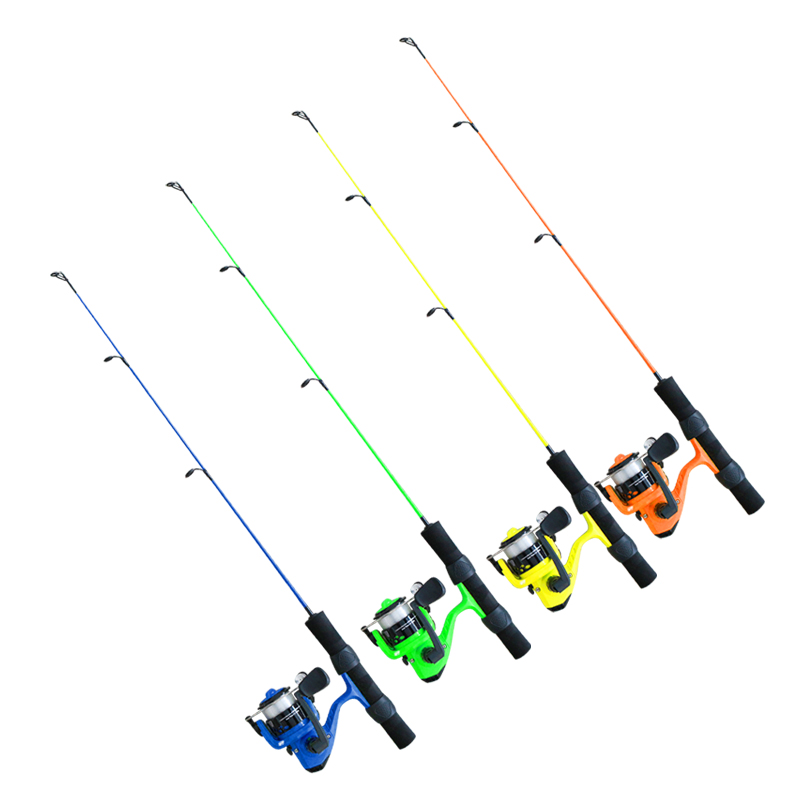
Buying a high-quality rod and reel setup marks an exciting milestone for any angler. You should view this equipment as an active investment rather than a simple one-time expense. Protecting your gear requires a consistent, baseline care routine to ensure peak performance. Neglected equipment fails quickly out on the water. You risk dealing with seized drag systems, corroded bearings, and cracked rod guides when you skip basic maintenance. These avoidable mechanical failures inevitably lead to lost catches and force premature replacement. This article provides an evidence-based, systematic care routine. We outline exact methods to maximize the operational lifespan of your setup. You will learn the correct lubrication procedures, proper cleaning techniques, and safe storage habits. Read on to discover actionable steps to keep your equipment reliable season after season.
Key Takeaways
Immediate post-trip rinsing with low-pressure freshwater is the single most effective deterrent against salt and sediment damage.
A dedicated fishing reel combo requires specific, distinct lubrication: lightweight oil for bearings and heavier grease for gears.
Avoid standard household degreasers or all-purpose penetrating oils, which can strip factory lubricants and degrade internal plastic components.
Proper off-season storage (loosening drag, avoiding high-heat environments) is as critical to gear longevity as active cleaning.
The ROI of Maintenance: Defining the Lifespan of a Fishing Combo
Many anglers hesitate to purchase specialized cleaning supplies. However, comparing the nominal cost of maintenance items against replacing a mid-to-high-tier Fishing Combo reveals a clear benefit. You only need marine grease, synthetic oil, and a few microfiber cloths. These affordable tools protect your expensive investment for years. Replacing a damaged setup costs significantly more than a decade of proper upkeep.
Micro-abrasions from sand severely reduce your overall casting distance. Dried salt crystals act like sandpaper inside your housing. They compromise drag smoothness during critical fights. When you hook a trophy fish, jerky drag performance can snap your line instantly. Proper care prevents these microscopic threats from ruining your trip.
You must establish baseline inspection criteria to evaluate wear and tear. Listen carefully for any gear grind when you turn the handle. Feel the guide rings for microscopic fractures before they slice your braided line. Catching these warning signs early prevents catastrophic failure on the water.
Baseline Inspection Checklist
Listen for a gritty, uneven sound during slow reel rotation.
Inspect the bail arm for smooth, unhindered opening and closing.
Run your bare fingers along the rod blank to detect tiny nicks or stress fractures.
Test the drag knob for consistent click-tension from loose to fully locked.
Check the line roller bearing to ensure it spins freely without catching.
Immediate Post-Trip Protocol: The Low-Pressure Rinse
High-pressure water nozzles destroy fishing gear rapidly. This common "hose down" myth forces salt and abrasive grit deeper into the reel housing. High water pressure pushes contaminants straight past factory rubber seals. Once saltwater breaches these internal seals, it heavily corrodes your main bearings.
You must use a gentle mist instead. A damp sponge wipe-down works perfectly for the rod blank and exterior surfaces. This low-pressure approach dissolves salt safely without driving it internally. We recommend using a simple spray bottle filled with warm freshwater for the best results.
Always tighten your drag completely before rinsing. A locked drag compresses the internal washers tightly. This tight seal prevents water intrusion from saturating your delicate drag stack. Once you finish drying the exterior with a towel, loosen the drag immediately. This critical step releases tension on the washers so they retain their natural elasticity.
Rod grips require distinct cleaning approaches based on their materials. Cork handles absorb dirt easily. They require a gentle, pH-neutral soap solution. Use a soft bristle brush to lift grime safely from the cork pores. EVA foam grips offer much more resilience. You can wipe foam down quickly using plain water and a standard cloth.
Best Practices for Post-Trip Cleaning
Lock the drag knob down firmly before introducing any water.
Spray a light mist of fresh water over the entire setup.
Wipe away visible salt spots using a clean microfiber cloth.
Air-dry the equipment in a shaded, well-ventilated area.
Back the drag off completely once the reel is entirely dry.
Deep Cleaning and Lubrication for Your Fishing Reel Combo
Deep cleaning requires strict evaluation of your maintenance fluids. Never use standard WD-40 on internal parts. It acts as an aggressive solvent rather than a lasting lubricant. Spraying it inside your housing strips necessary factory grease completely. It can also degrade internal plastic components over time. We highly recommend marine-grade, reel-specific synthetic fluids for your Fishing Reel Combo.
You must understand the absolute rule separating oil and grease. Applying the wrong fluid to a component guarantees poor performance. Oil belongs on fast-moving, exposed parts. Grease belongs on heavy-load internal gears.
Lubrication Application Guide
| Lubricant Type | Target Components | Primary Purpose |
| Lightweight Synthetic Oil | Line rollers, bail arm springs, handle knobs, exposed spool bearings. | Reduces friction on fast-moving exterior parts without attracting heavy grit. |
| Marine-Grade Grease | Main gears, pinion gears, oscillation sliders, internal drive shafts. | Provides thick, water-resistant cushioning for high-torque metal-on-metal contact. |
Over-lubrication poses a severe danger to your mechanics. Excess fluid attracts airborne dirt and shoreline sand. This mixture rapidly creates a destructive grinding paste inside the housing. We advocate for a strict "less is more" approach. One single drop of oil suffices for most bearings. A light, translucent coat of grease protects gears perfectly.
Always consult the manufacturer's schematic before opening the side plate. Spring-loaded components carry a high risk of flying out across the room. Beginners often lose these tiny parts during reassembly. Take pictures at every step of the disassembly process to ensure you put everything back together correctly.
Inspecting and Protecting the Rod Blank and Guides
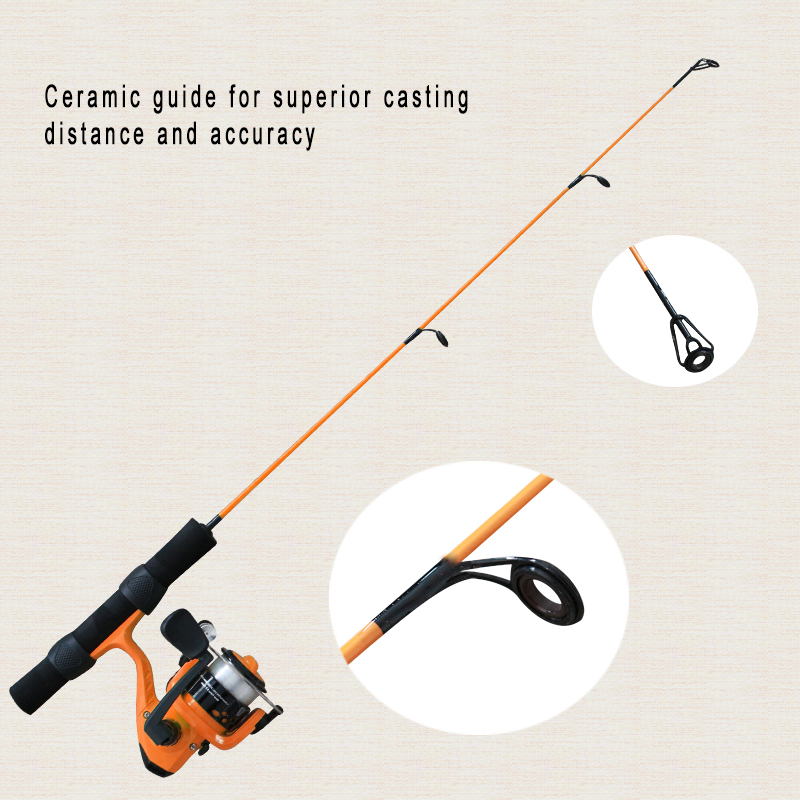
Rod guides dictate your casting distance and overall line health. Perform visual and tactile inspections regularly to catch early damage. We highly recommend the "Q-tip test" for checking your guides. Run a dry cotton swab around the inner ceramic ring of each guide. If the cotton fibers catch or tear, you have found a microscopic crack. These invisible fractures act like razor blades. They will rapidly fray and snap your braided line during a fight.
Multi-piece rods connect at points called ferrules. You must clean these joints carefully and apply a light coat of ferrule wax. Unwaxed ferrules often seize together due to trapped grit or sudden temperature changes. Standard candle wax or specialized ferrule wax ensures a secure, friction-based fit. It also prevents the rod halves from permanently sticking together.
Check your rod blank frequently for deep surface scratches. Carbon fiber and fiberglass structures rely on uniform structural strength. A deep gouge seriously compromises this integrity under a heavy load. A damaged blank can easily snap in half when you aggressively set the hook.
Common Mistakes in Rod Care
Banging rod tips against ceiling fans or car doors.
Using harsh abrasive sponges to scrub dried fish slime off the blank.
Ignoring a bent bail wire, which causes uneven line lay.
Failing to replace a cracked guide ring immediately upon discovery.
Saltwater vs. Freshwater: Scaling Your Maintenance Routine
Specific environmental threats dictate your required maintenance frequency. High-salinity environments cause rapid galvanic corrosion. Saltwater breaks down exposed metal components aggressively. In contrast, freshwater environments pose milder overall threats. You mostly deal with benign buildups of organic algae, mud, and river silt.
Let us scale your routine to match your environment. Saltwater or brackish environments demand a mandatory freshwater rinse after every single use. You must also perform a deep internal teardown every six months. Freshwater gear requires far less intense care. A light wipe-down suffices after use, followed by an annual deep teardown.
Certain parts fail first in harsh saltwater conditions. Pay disproportionate attention to your line roller bearings and bail wire connections. These specific areas trap saltwater easily. They corrode rapidly if you ignore them.
Routine Frequency Chart
| Environment Type | Post-Trip Action | Deep Teardown Frequency | Primary Threat |
| Saltwater / Surf | Mandatory gentle mist rinse and towel dry. | Every 6 months (or immediately if dunked). | Galvanic corrosion, salt crystal abrasion. |
| Brackish Water | Mandatory gentle mist rinse. | Every 6 months. | Mild corrosion, sediment buildup. |
| Freshwater (Lakes/Rivers) | Light wipe-down with a damp cloth. | Annually (usually off-season). | Algae buildup, mud, grit intrusion. |
Storage Solutions to Prevent Off-Season Degradation
Off-season storage habits directly impact gear longevity. Let us look at drag decompression first. Internal drag washers rely on pliable, elastic materials like carbon fiber or felt. Leaving the drag locked down tightly during storage compresses these washers permanently. They lose their natural elasticity. This critical mistake guarantees jerky, unpredictable drag performance next season. Always loosen the drag completely before putting the reel away.
Heat and gravity easily distort modern rod blanks. Leaning a rod diagonally in a hot garage corner causes permanent curvature. The fiberglass or carbon memory shifts under constant gravitational pressure. Horizontal wall racks or vertical ceiling mounts provide ideal storage solutions. These methods distribute the weight evenly across the entire blank.
Extreme environments destroy fishing gear silently. Store your equipment inside a climate-controlled room whenever possible. Avoid high-humidity zones like damp basements that encourage rampant rust. Extreme heat in attics causes gear grease to separate and leak directly out of the housing. Monofilament line also degrades quickly under intense UV sunlight or severe heat.
Storage Best Practices
Store rods vertically in dedicated racks to prevent bending.
Keep reels out of direct sunlight to protect rubber seals.
Ensure all gear is entirely dry before placing it in protective sleeves.
Store line spools in cool, dark drawers to prevent UV damage.
Conclusion
Consistent basic care easily outweighs occasional, overly aggressive deep cleaning. A simple freshwater rinse and proper off-season storage yield the highest return on your effort. Avoid using harsh household chemicals or high-pressure water nozzles to keep your components intact.
Audit your current gear condition today using the inspection methods detailed above. Purchase a dedicated reel maintenance kit equipped with proper marine grease and synthetic oil. Establish this post-trip habit immediately following your next outing. Your equipment will reward you with years of smooth, reliable performance on the water.
FAQ
Q: Can I use WD-40 on my fishing rod and reel?
A: Standard WD-40 functions primarily as a water displacer and solvent. It is not a long-term lubricant. Spraying it inside your reel strips away the essential factory grease needed for gear protection. Instead, use reel-specific synthetic oils and marine-grade grease to ensure proper, long-lasting lubrication without degrading internal plastic components.
Q: How often should I oil my fishing reel combo?
A: Maintenance frequency depends heavily on your environment and usage. Saltwater anglers should apply a light drop of oil to the line roller and bail springs every three to five trips. Freshwater anglers can safely perform this oiling every ten trips. You should perform a complete breakdown and internal re-greasing once or twice a year.
Q: Why is my reel suddenly grinding after a trip to the beach?
A: A grinding sensation almost always indicates sand intrusion. Wind or accidental drops introduce microscopic silica particles directly into the gear housing. Halt use immediately. Continuing to turn the handle will score the main gears permanently. You must perform a full deep clean, flushing the old grease out completely before reapplying fresh lubricants.
Q: Should I remove the fishing line before long-term storage?
A: Line removal depends entirely on the material type. Monofilament and fluorocarbon lines develop severe coil memory over time. You should strip and replace them annually. Braided line lacks structural memory and resists degradation exceptionally well. You can leave braided line on the spool for multiple seasons if you store it safely away from direct sunlight.

