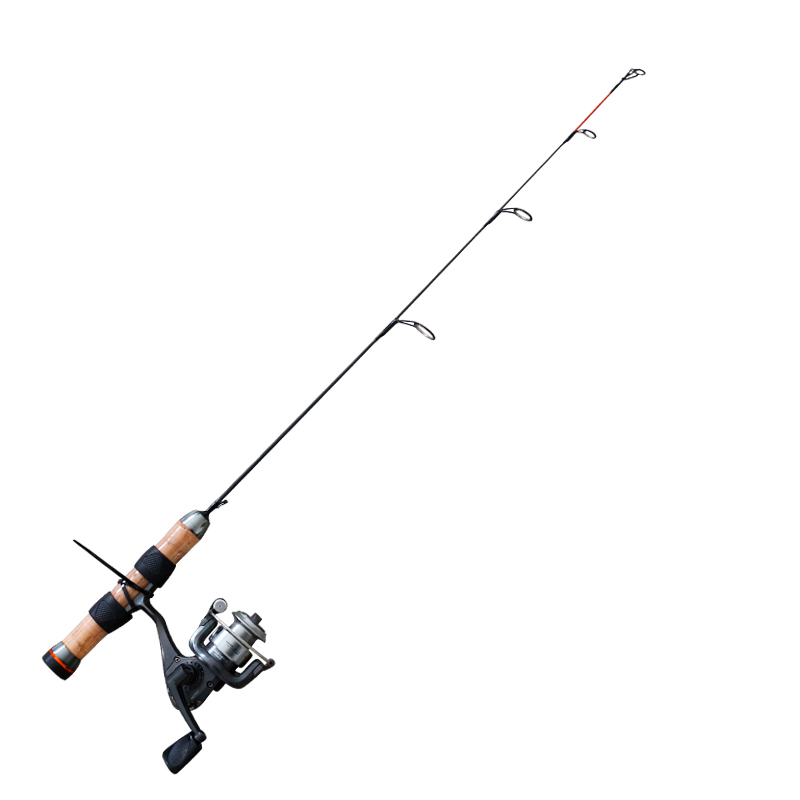
Many anglers face a familiar dilemma before an upcoming coastal trip. You want to cast into the surf or fish near a local pier. Should you pack the rig sitting in your garage, or buy something new? Ocean environments introduce severe mechanical threats. Saline water accelerates hardware corrosion rapidly. Microscopic sand grains grind intensely against delicate internal gears. Coastal game fish also exert tremendous stress compared to typical lake species. Most standard freshwater setups simply lack the heavy-duty engineering to survive these harsh conditions. We built this guide to help you evaluate the risks properly. You will learn the technical differences between everyday gear and purpose-built marine equipment. We provide a clear framework to decide whether to risk your current Fishing Combo in the ocean or upgrade entirely. Let us explore hardware specs, usage frequency, and maintenance demands to keep you casting smoothly.
Key Takeaways
Standard fishing combos can physically be used in saltwater for isolated trips, but require immediate and rigorous post-trip maintenance to prevent irreversible corrosion.
Dedicated saltwater fishing combos are engineered with sealed bearings, anodized aluminum, and corrosion-resistant guide trains to survive long-term saline exposure.
Saltwater game fish generally exert higher drag pressure and sudden force, increasing the risk of mechanical failure on standard freshwater rods and reels.
Upgrading to a saltwater-specific setup reduces the hidden costs of seized reels, broken guides, and voided manufacturer warranties.
The Engineering Gap: How Saltwater Impacts a Standard Fishing Combo
Ocean environments fundamentally attack basic fishing gear. The primary threat is galvanic corrosion. Saltwater acts as a highly conductive electrolyte. It bridges dissimilar metals inside your reel housing. This electrical interaction accelerates metal breakdown at an alarming rate. Standard freshwater reels often pair painted aluminum frames alongside soft brass gears. These common material combinations corrode aggressively when exposed to saline spray. Even atmospheric salt near the beach triggers this silent degradation.
Another major threat involves salt crystallization and sand intrusion. Basic setups utilize unsealed housings to reduce manufacturing costs. These open designs leave internal components entirely exposed. Microscopic salt crystals form inside the reel after the moisture evaporates. They create a highly abrasive paste across the gears and drag washers. Sand blown from the beach easily penetrates unshielded drag systems. Once inside, grit destroys smooth mechanical operation. You will feel an immediate roughness when turning the handle.
Mechanical stress also exposes critical weak points in everyday tackle. Ocean species swim much faster and pull noticeably harder than most freshwater equivalents. Even smaller inshore fish generate intense, sudden force. Red drum, bluefish, or snook will strip line rapidly. These blistering runs heavily over-tax standard drag systems. Freshwater felt washers often overheat or seize under such immense friction. Structural failures happen quickly during an intense fight if the gear cannot handle the load.
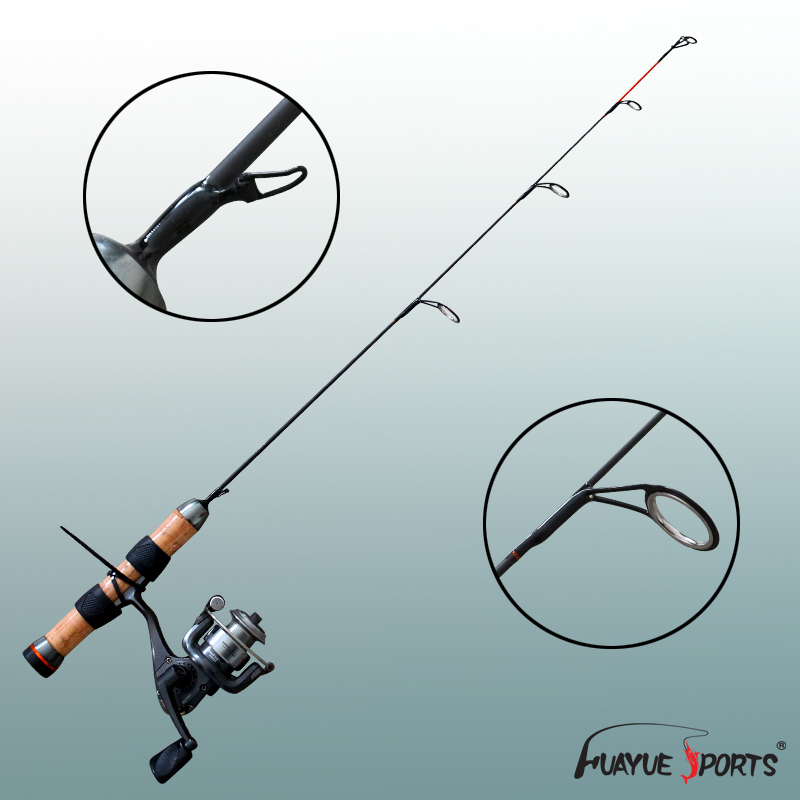
Freshwater vs. Dedicated Saltwater Fishing Combos: Key Hardware Differences
Reel Construction and Sealing (IPX Ratings)
Standard freshwater reels use open bodies primarily to reduce overall weight. They lack heavy rubber gaskets or tightly sealed bearings. A dedicated marine setup uses strict sealing protocols to block moisture entirely. Manufacturers rate these protective seals using the international IPX system. Higher IPX ratings indicate superior water resistance capabilities. An IPX5 or IPX6 reel survives heavy splashes and ocean spray comfortably. Fully sealed systems protect the vital drag stack from water damage. They also shield the main gear compartment from grit intrusion. Internal materials differ drastically too. Freshwater gear utilizes lighter zinc alloys or standard brass. Marine reels upgrade to forged stainless steel or marine-grade bronze gears for maximum durability.
Rod Blank Materials and Power
Material selection dictates both performance and structural resilience. Many freshwater blanks feature high-modulus carbon or graphite construction. Graphite offers incredible sensitivity for feeling subtle bites. However, it remains highly brittle under sudden, violent impacts. Dropping a graphite rod on a concrete pier often causes invisible micro-fractures. Marine environments demand rugged, heavy-duty resilience. Coastal rods lean heavily on solid fiberglass or composite blends. A glass-composite blank weighs slightly more than pure graphite. Yet, it absorbs violent strikes and heavy lifting effectively. You sacrifice minor bite sensitivity for massive durability gains.
Guide Train Durability
Line guides take a tremendous beating in marine environments. Braided lines drag abrasive particles through the delicate rings constantly. Standard freshwater rods use basic aluminum oxide inserts. These cheap inserts rust quickly at the surrounding frames. They also suffer from deep grooving when placed under heavy drag loads. Heavy-duty marine rods upgrade the entire guide train systematically. Frames utilize solid titanium or deeply anodized stainless steel. The inserts upgrade to premium silicon carbide (SiC) or highly polished zirconia. These premium materials completely resist rust formation. They also dissipate friction heat rapidly during long offshore battles.
Here is a hardware comparison chart outlining the core structural differences:
| Hardware Component | Standard Freshwater Setup | Dedicated Marine Setup |
| Reel Sealing | Unsealed, open bearings | Gasket-sealed, IPX5+ ratings |
| Internal Gears | Zinc alloy or standard brass | Forged stainless steel or bronze |
| Rod Blank | High-modulus graphite (brittle) | Fiberglass or composite (durable) |
| Guide Frames | Painted steel or cheap aluminum | Titanium or heavy-duty stainless |
| Guide Inserts | Basic aluminum oxide | Silicon carbide (SiC) or Zirconia |
When It Makes Sense to Use a Standard Fishing Combo in Saltwater
Buying specialized gear is not always necessary for every angler. Sometimes, you can safely use your existing equipment under specific conditions.
Low-frequency usage usually justifies risking your standard tackle. Perhaps you take one family vacation to the beach annually. Dropping hundreds of dollars on specialized gear yields poor returns. A casual, one-off trip allows for standard equipment use. You can easily manage the temporary exposure risks without ruining the setup entirely.
Targeting light inshore species also lowers the mechanical risk significantly. Fishing from calm flats or protected piers works reasonably well. You might target smaller croaker, speckled trout, or juvenile flounder. These smaller fish lack the raw power to over-tax standard drag systems. Your freshwater rod likely possesses enough backbone to handle them safely.
However, you must strictly follow the maintenance mandate. Using standard gear requires aggressive post-trip mitigation strategies. Here are the critical operational rules you must adopt to prevent rapid gear failure:
Never submerge the reel underwater under any circumstances.
Keep the gear elevated and away from direct sand contact.
Tighten the drag fully before cleaning to seal the washers.
Apply a light misting of fresh water immediately after use.
Dry the entire setup thoroughly with a clean microfiber towel.
Re-lubricate the line roller and handle bearings before storage.
Assessing the Risks: Hidden Costs of Using the Wrong Gear
Taking standard tackle into harsh conditions carries definite, unavoidable risks. Performance failures under load present the most immediate danger. A heavy ocean fish pushes a drag system to its absolute operational limit. Standard felt washers often swell or compress unevenly when wet. This causes the drag to seize up or stutter violently. Stuttering snaps light fishing line instantly. In extreme cases, sudden pressure strips the internal gear teeth completely, leaving you holding a useless reel.
Accelerated depreciation represents another major hidden drawback. A standard rig used routinely in coastal waters degrades incredibly fast. You will likely face a 70 to 80 percent reduction in its usable lifecycle. The reel handle becomes stiff and difficult to crank. The bail wire stops clicking over smoothly. Rod guides develop rough, green oxidation that damages your line. You end up replacing the gear much sooner than expected, erasing any initial savings.
Finally, beware of strict warranty voidance. Tackle manufacturers design specific models for specific operating environments. If you send a seized freshwater reel in for factory repair, technicians inspect it closely. They easily spot internal salt crystals or telltale galvanic corrosion. Many brands explicitly void warranties if freshwater-designated gear shows obvious marine damage. You will absorb the full replacement cost entirely out of pocket.
Shortlisting Logic: How to Choose a Saltwater Fishing Combo
If you decide to upgrade, structured selection matters immensely. First, determine the specific environment you plan to fish. Frame your purchase decision around your primary application. Surf casting demands extreme casting distance over crashing waves. You need a rod between 9 and 12 feet long. Inshore fishing requires pin-point accuracy around docks or mangrove roots. A shorter 7-foot medium-power rod works best there. Offshore boat fishing demands maximum drag and heavy lifting power. Short, heavy-action fiberglass rods absolutely dominate this category.
Always prioritize the reel over the rod when budgeting. Allocate the largest portion of your funds toward a fully sealed reel. The reel represents the primary point of failure in marine settings. A broken rod guide is annoying but easily fixable. A seized gear train ruins the entire trip instantly. Look for heavy-duty drag materials like premium carbon fiber.
Identify clear value indicators when shopping for packaged kits. Pre-packaged marine kits often provide excellent mechanical synergy. Look for setups that perfectly match rod power to the correct reel size. Common value indicators include:
A balanced center of gravity right at the reel seat.
Spools pre-loaded with high-visibility, abrasion-resistant braided line.
Included fluorocarbon leader material in the packaging.
Corrosion-resistant terminal tackle included in the bundle.
A properly matched Saltwater Fishing Combo removes the technical guesswork. It guarantees the rod backbone perfectly supports the maximum drag output of the reel.
Conclusion
While technically possible, relying on standard tackle for ocean use remains a high-risk compromise. You can survive a rare beach vacation if you perform rigorous daily maintenance. However, saline environments inevitably exploit the basic engineering gaps in freshwater equipment. Galvanic corrosion and sand intrusion destroy unsealed mechanisms quickly. Coastal species easily over-tax light-duty drag washers, causing frustrating break-offs.
If you plan to fish coastal waters more than once a season, prioritize specialized gear. Evaluate dedicated marine setups to ensure absolute reliability on the water. Protect your recreational time by investing in sealed bearings, carbon drag systems, and tough composite blanks. Your peace of mind while fighting a heavy fish is well worth the upgrade.
FAQ
Q: Can I use a saltwater fishing combo for freshwater fishing?
A: Yes. Saltwater gear is heavily over-engineered for freshwater applications. The components easily handle lake and river conditions. The main trade-off involves overall weight and stiffness. Marine rigs are slightly heavier, which might cause fatigue over a long day. They also offer reduced sensitivity for finesse freshwater techniques like drop-shotting.
Q: How do I clean my fishing combo after using it in saltwater?
A: First, tighten the drag completely to seal the internal washers. Rinse the entire rig with a gentle mist of fresh water. Never use a high-pressure spray, as it forces salt deeper into the housing. Wipe it dry with a microfiber cloth. Loosen the drag fully for storage to relieve pressure. Periodically apply specific marine reel oil.
Q: Does a saltwater combo require special fishing line?
A: No special line is strictly required. However, braided line paired with a fluorocarbon leader is the industry standard. Braided line lacks stretch, allowing for better hook sets at long distances. Fluorocarbon provides excellent abrasion resistance against rocks, shells, and toothy fish, while remaining virtually invisible underwater.

