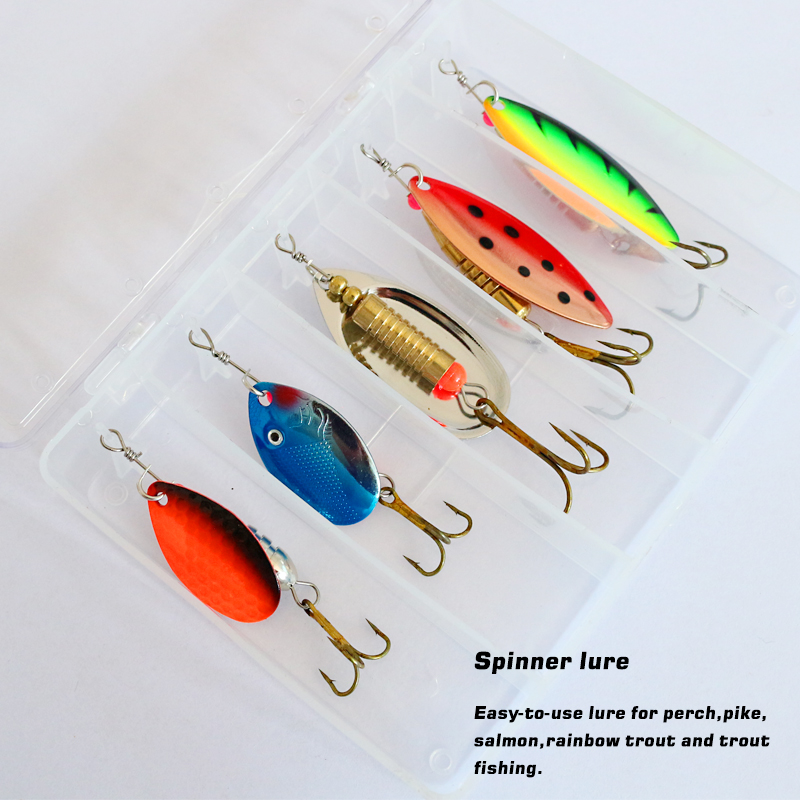
Anglers have endlessly debated one persistent question on the water. Does internal noise actually trigger strikes, or is it just an industry gimmick to sell another Fishing Lure? You will hear strong opinions on both sides of this argument.
Sound operates as a specific mechanical tool rather than a magic bullet for catching fish. Predators use their lateral lines to detect vibration heavily in their environment. This biological reality makes acoustic profiles a critical evaluation metric when selecting your tackle.
Choosing between a rattling and a silent bait should never be guesswork. We will break down the acoustic science, material differences, and environmental criteria dictating lure selection. You will learn exactly how to deploy the right acoustic profile for specific water conditions.
Key Takeaways
Mimicry over Noise: Rattles are designed to replicate specific biological sounds, primarily the defensive "clicking" of fleeing crustaceans (crawfish, shrimp).
Pitch Matters More Than Volume: The material of the rattle chamber (glass, steel, tungsten, or lead) dictates the frequency—high-pitched clicks draw attention from afar, while low-frequency thumps trigger close-quarters reaction bites.
The Clarity & Pressure Matrix: Muddy water and high wind demand rattles for tracking; highly pressured or crystal-clear waters often require silent presentations to avoid spooking cautious fish.
"Silent" is Rarely Silent: Even non-rattling hard baits produce intrinsic acoustic noise through the friction of split rings and treble hooks.
The Acoustic Science: What a Rattling Fishing Lure Actually Replicates
Many beginners assume loud baits simply annoy fish into biting. Biological reality tells a different story. Predators do not strike because they enjoy random underwater noise. They attack because specific sound frequencies trigger deeply ingrained feeding instincts. Predators interpret high-frequency clicking as biological activity. It perfectly mimics the sound of a crawfish snapping its tail to flee. It also replicates shrimp popping across grass flats. When you deploy a rattling Fishing Lure, you present an acoustic illusion of vulnerable prey.
We must also address the widespread myth surrounding "silent" baits. Many anglers believe traditional wooden or plastic hard baits make zero noise. Physics proves otherwise. True silence does not exist when retrieving mechanical hardware underwater. The metal treble hooks swing freely on metal split rings. They constantly clank against the hard plastic or wooden body. This friction creates a baseline acoustic signature.
If you submerge your head underwater while a partner retrieves a silent bait, you will easily hear this metallic clatter. Adding a dedicated rattle chamber simply elevates this baseline noise. It transforms random metallic friction into a targeted, engineered frequency. Manufacturers design these chambers to penetrate the water column efficiently, calling fish from greater distances than baseline friction alone.
Evaluating Rattle Materials: High-Pitch vs. Low-Pitch Frequencies
Not all rattles perform equally. Buying a rattling bait without understanding its internal material often leads to mismatched presentations. You must match the acoustic pitch to the mood of your target species. Internal materials dictate the specific frequency. Understanding these material properties helps you build a more effective tackle selection.
Glass chambers housing small steel or brass BBs produce a crisp, high-pitched "clack." These high frequencies travel rapidly through the water. They excel at drawing attention from aggressive, schooling fish. You want high-pitch rattles when covering massive, featureless flats. They also dominate in surface-waking presentations where you need to pull fish upward through the water column.
Conversely, tungsten, lead, or large single steel knockers housed in resin or wood produce a deeper "thud." This low-frequency knock displaces more water per strike. It pushes a heavy vibration wave rather than a sharp sound wave. Low-pitch knocks prove highly effective for triggering larger, cautious predators. Trophy bass and mature barramundi often ignore high-pitched buzzing but react aggressively to a deep thud. A single knocker does not overwhelm their sensitive lateral lines.
Smart anglers keep both high-pitch and low-pitch options readily available. Environmental conditions and fish moods change rapidly. Having diverse acoustic profiles allows you to test daily preferences on the water.
Material and Frequency Comparison
| Rattle Material | Acoustic Profile | Best Application Scenario | Target Fish Behavior |
| Glass Chamber + Steel BBs | High-Pitch, Crisp Clack | Expansive flats, windy days | Aggressive, schooling, actively feeding |
| Plastic Chamber + Brass BBs | Mid-Pitch, Raspy Buzz | Stained water, submerged grass | Cruising, moderate activity level |
| Wood/Resin + Single Tungsten | Low-Pitch, Deep Thud | Heavy cover, deep structure | Cautious, trophy-sized, post-frontal |
| No Chamber (Silent) | Baseline Hook Friction | Crystal clear water, high pressure | Spooky, highly pressured, visual feeders |
The Decision Framework: When to Use Rattles (And When to Stay Silent)
You need a concrete evaluation framework to assess your daily fishing environment. We recommend using a conditional matrix to decide when to deploy noise. The primary variables include water clarity and angling pressure.
Condition 1: Water Clarity & Turbidity
Muddy/Stained Water: You have a high necessity for rattles here. Turbidity severely compromises visual tracking. Fish must rely almost entirely on their lateral lines and inner ears to hunt. A loud rattling bait provides an acoustic beacon. It helps predators pinpoint your bait in zero-visibility environments.
Clear Water: You face high risk using rattles here. Fish hunt primarily by sight in clear water. Unnatural, loud noise easily spooks them. They can see the bait from ten feet away, so excessive noise feels unnatural and threatening. Switch to flat-sided, silent baits for a more realistic presentation.
Condition 2: Angling Pressure
Low-Pressure/Active Feeding: During periods of active feeding on untouched waters, rattles act as an accelerant. They draw aggressive fish from a much wider radius. You can cover water quickly and efficiently.
High-Pressure/Post-Frontal: Heavily fished waters change fish behavior entirely. Loud rattles often alert fish to danger rather than food. When everyone else throws a loud lipless crankbait, a silent presentation becomes your greatest competitive advantage.
Chart: The Clarity & Pressure Decision Matrix
Always keep the "Wake Up" exception in mind. Sometimes a bite dies completely. Lethargic fish refuse subtle, natural presentations. In these frustrating moments, aggressively ripping a loud rattle bait through heavy cover can trigger a purely reflexive strike. The sudden burst of noise startles the fish. They bite out of agitation rather than hunger. This reaction bite remains a powerful tool when traditional methods fail.
Hardware & Application: Optimizing Your Rattle Setup
Understanding the science means little without proper implementation. You must rig and fish your rattling baits correctly to maximize their acoustic potential. Different lure categories require specific execution strategies.
Hard Baits (Lipless Cranks and VIBs)
Your retrieval strategy heavily influences the acoustic output of hard baits. The "rip and flutter" technique dominates here. You intentionally allow the bait to tick the tops of submerged grass. Once it snags slightly, violently rip the rod tip upward to tear the bait free. This sudden acceleration causes a massive acoustic burst from the internal BBs. Immediately drop your rod tip afterward. The bait will flutter silently downward. Fish usually strike during this silent descent, viewing the bait as injured, fleeing prey.
Tackle pairing makes or breaks this technique. We recommend stiffer, shorter rods. A 7-foot Medium-Heavy rod provides the backbone needed to rip baits violently out of heavy cover. Pair this rod with high-quality fluorocarbon line. Fluorocarbon sinks faster than monofilament and offers less stretch. It transfers vibration beautifully while helping you manage the sink rate of your presentation.
Soft Plastics (Aftermarket Customization)
You can easily upgrade your existing soft plastics by inserting aftermarket rattle capsules. These small glass or brass tubes contain tiny steel beads. This scalability allows you to add targeted sound to jigs, worms, and creature baits on the fly.
Placement dictates your success. Always insert the capsule parallel to the hook shank. Pushing it perpendicular weakens the structural integrity of the soft plastic. The bait will tear easily after one cast. Keeping it parallel ensures the plastic remains durable. It also keeps the bulky capsule out of the way during a hookset, protecting your hook-up ratio. A properly placed glass rattle inside a soft plastic crawfish perfectly mimics the defensive clicks of bottom-dwelling prey.
The Risks of Over-Reliance: Why Moderation Wins
We must emphasize that a rattling Fishing Lure does not provide a universal solution. Relying exclusively on noisy baits often harms your catch rate. Acoustic fatigue represents a real phenomenon. Constantly bombarding a small area with high-frequency noise will eventually shut down the bite.
Consider the "spook factor" carefully. Highly sensitive species swimming in shallow environments despise unnatural noise. Clear-water redfish or highly pressured bass will flee from a loud glass rattle. They associate the intense mechanical clatter with boat traffic and previous angling encounters. In these scenarios, noise pushes fish away rather than drawing them closer.
Use smart shortlisting logic when evaluating your local waters. If you fish public, highly-trafficked lakes, prioritize buying silent or single-knock lures first. Most weekend anglers throw aggressively loud baits. You instantly differentiate yourself by presenting a subtle, quiet alternative. Reserve your loud, multi-BB rattles for specific low-visibility conditions like muddy runoff, heavy rain, or aggressively windy days. Moderation and situational awareness will always outfish blind reliance on noise.
Conclusion
A rattling bait operates as a specialized tool engineered for specific scenarios. It helps you overcome visual deficits in muddy water and triggers instinctual aggression when fish turn lethargic. However, deploying sound without considering water clarity, fish pressure, and acoustic pitch will ultimately sabotage your success.
Audit your tackle box: Check your current inventory. Make sure you own a strategic mix of high-pitch, low-pitch, and completely silent presentations.
Adapt to the conditions: Let water clarity and angler pressure dictate your starting choice. Start silent in clear water; start loud in the mud.
Master the hardware: Practice the rip-and-flutter technique and keep aftermarket glass capsules handy for soft plastics.
Avoid acoustic fatigue: Do not hesitate to switch to a silent bait if a highly productive spot suddenly stops producing bites.
Taking control of your acoustic presentation elevates you from a casual angler to a strategic hunter. Evaluate your next tackle purchase through the lens of frequency and vibration, and you will confidently adapt to any shifting daily pattern.
FAQ
Q: Can you add rattles to a solid wood fishing lure?
A: Yes, but it requires DIY modification (drilling a cavity, inserting brass/glass chambers, and sealing with epoxy). It's often easier to purchase factory-engineered wooden lures with built-in chambers or stick to modifying soft plastics.
Q: Does the size of the rattle matter?
A: Absolutely. Larger internal chambers with bigger weights produce lower-frequency knocks, while smaller beads produce high-frequency swarms. The size of the rattle should also physically match the profile of the bait to maintain proper buoyancy and action.
Q: Do rattles work for bottom-feeding fish?
A: Yes. Dragging a rattling jig or a soft plastic with an inserted glass rattle along a hard bottom closely mimics the acoustic signature of a foraging crawfish, highly appealing to bottom-oriented predators.

