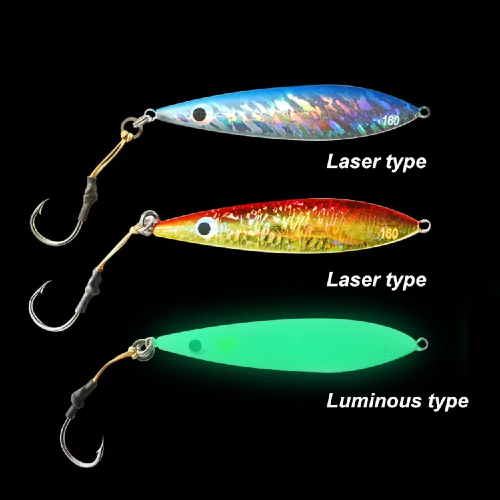
The Role of a Fishing Lure in Angling
Fishing has long been one of the most popular outdoor activities worldwide, combining skill, strategy, patience, and a deep understanding of aquatic ecosystems. Among the many tools available to anglers, the fishing lure stands out as a central piece of equipment that can dramatically impact success rates. While some anglers rely solely on live bait or natural attractants, lures offer a unique combination of adaptability, precision, and sensory stimulation that cannot be replicated by traditional methods.
A fishing lure is an artificial bait designed to imitate natural prey such as small fish, insects, or crustaceans. Unlike live bait, which relies on natural movement and scent, lures are crafted to appeal to multiple fish senses: sight, sound, vibration, and sometimes even chemical cues. This multidimensional stimulation is critical, especially for predatory fish that hunt based on instinctive reactions rather than curiosity alone. Understanding why fishing lures are essential requires examining how they interact with both the fish and the environment, influencing fish behavior in ways that are subtle yet highly effective.
From beginners testing their first lure to professional anglers participating in tournaments, choosing the right fishing lure can make the difference between an empty hook and a productive fishing day. In addition to skill and patience, having the appropriate lure tailored for water conditions and target species elevates an angler's efficiency, increasing both the quantity and quality of catches. In this article, we explore the science, types, advantages, and practical uses of fishing lures to help anglers maximize their results and gain a deeper appreciation for this essential tool.
The Science Behind Fishing Lures
How Lures Mimic Natural Prey
The effectiveness of a fishing lure lies in its ability to convince a fish that it is real prey. Lures achieve this through a combination of sensory cues designed to replicate the appearance, movement, and behavior of live organisms.
Visual cues: Color patterns, reflective surfaces, and realistic designs mimic the appearance of prey species. This visual simulation is particularly important for sight-based predators that identify potential food from a distance. Fish can often detect subtle color variations, the shimmer of scales, or specific markings that suggest life-like movement.
Movement and action: Swimming, wobbling, darting, and gliding motions replicate natural prey behavior. Even small changes in retrieval speed or angle can significantly influence a fish’s response. Lures are engineered to generate a wide range of actions, from gentle, natural glides to erratic, rapid darting that triggers instinctive strikes.
Vibration and sound: Built-in rattles, spinning components, or specially designed body shapes create detectable water disturbances. Fish possess a lateral line system that allows them to perceive these vibrations, helping them locate prey even in murky water or low-light conditions.
Scent and chemical cues: Soft plastic lures or specially treated baits release subtle chemical signals that mimic prey scent. These cues enhance the lure's effectiveness in environments where visual or vibratory detection is limited, such as deep water, murky lakes, or dense vegetation.
By stimulating multiple senses simultaneously, a fishing lure significantly increases the likelihood of provoking a predatory response. This multidimensional approach explains why lures are often far more effective than static bait in attracting fish, particularly when fish are cautious or selectively feeding.
Fish Behavior and Lure Effectiveness
Predatory fish rely on instinct to hunt, responding to visual, vibratory, and chemical cues. Understanding species-specific behavior and environmental context is crucial for selecting the most effective lure.
Ambush predators, such as certain species of bass or pike, rely on sudden bursts of movement and surprise attacks. Lures that mimic fleeing prey or generate vibrations in the water can trigger instinctive strikes.
Cruising predators, such as walleye or certain saltwater species, search for prey over larger areas. They often respond to lures with consistent swimming patterns and reflective surfaces that simulate normal prey activity.
Bottom feeders, including catfish, rely heavily on chemical and vibratory cues due to their reduced reliance on sight in murky or dark environments. Scented or weighted lures are particularly effective in stimulating feeding behavior in these species.
This relationship between fish behavior and lure characteristics demonstrates why understanding biology and sensory perception is critical for anglers. Lures are not just artificial attractants; they are carefully designed tools that leverage fish instincts to maximize engagement.
Types of Fishing Lures and Their Advantages
Fishing lures come in a wide variety of types, each with distinct advantages that align with specific angling strategies, water conditions, and target species. Selecting the appropriate lure requires a combination of knowledge and experimentation.
Type of Lure | Description | Advantages | Best For |
Soft Plastic Lures | Flexible, lifelike imitation of worms, insects, or small fish | Realistic movement, versatile for multiple techniques | Bass, trout |
Spinnerbaits | Metal blades create flash and vibration | Attracts aggressive fish, effective in murky water | Pike, perch |
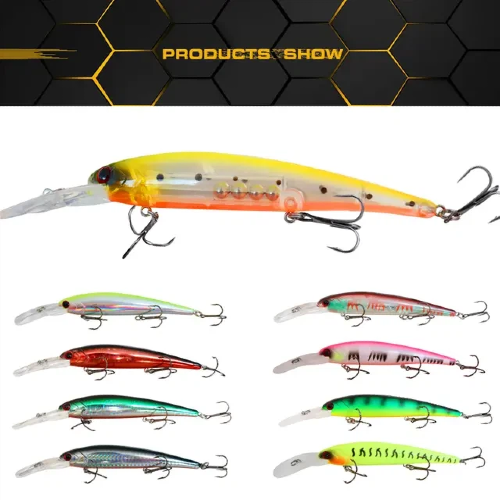
Crankbaits | Hard-bodied, diving motion imitates baitfish | Effective at mid-depth, controllable action | Walleye, bass |
Jigs | Weighted head with soft tails | Versatile, effective for bottom feeders | Catfish, panfish |
Topwater Lures | Float and move on the surface | Exciting surface strikes, visual attraction | Bass, trout |
Spoons | Curved metal reflects light like fish scales | Long casting, simple to use | Trout, salmon |
Swimbaits | Multi-jointed bodies mimic swimming prey | Highly realistic, triggers strikes from cautious predators | Pike, muskie |
Each lure type is designed to exploit different predatory instincts, environmental factors, and species-specific behaviors. This versatility is one reason why lures are indispensable for anglers, as they provide targeted solutions for diverse fishing scenarios.
How Fishing Lures Improve Angler Efficiency
Increasing Catch Rates
Fishing lures improve efficiency by actively provoking strikes rather than passively waiting for fish to bite. By simulating prey characteristics, lures stimulate predatory instincts, often enticing fish that may otherwise ignore natural bait. This proactive approach allows anglers to cover more water and increase the probability of encounters with active fish.
Targeting Specific Species
Using fishing lures strategically allows anglers to target particular species with precision. By selecting lure types, sizes, colors, and actions tailored to a species’ hunting behavior, anglers can enhance their efficiency and reduce wasted effort. This capability is especially important in competitive fishing or when selective harvesting is required.
Convenience and Versatility
Fishing lures offer unparalleled convenience. Unlike live bait, they are reusable, easily transported, and adaptable to different water conditions. Anglers can maintain a diverse tackle selection without worrying about bait spoilage, and lures are effective across freshwater and saltwater environments, making them highly versatile.
The Importance of Quality and Innovation in Lures
Material and Durability
High-quality fishing lures use durable materials such as corrosion-resistant metals, resilient plastics, and flexible rubber. This durability ensures the lure withstands repeated strikes, casting, and environmental exposure. Investing in professional-grade lures reduces the frequency of replacements and enhances long-term performance.
Modern Technologies
Recent technological advancements have significantly enhanced lure effectiveness:
3D Printing and Laser Finishing: Creates lifelike textures, body shapes, and scale patterns.
UV-Reflective Coatings: Enhances visibility in deep water or low-light conditions.
Scent Integration: Releases chemical cues to attract fish when visibility is limited.
Vibration Mechanisms and Rattles: Stimulates fish sensory systems, provoking instinctive strikes.
These innovations make fishing lures not only more attractive to fish but also more reliable and consistent in performance, ensuring anglers achieve better results.
Matching Lures to Fishing Conditions
Water Clarity and Color Selection
Visibility is critical for lure effectiveness. In clear water, natural colors that blend with prey species are most effective. Conversely, in murky or stained water, bright, fluorescent, or reflective lures improve visibility and attract attention. Adjusting color selection based on environmental conditions can significantly influence catch rates.
Depth and Temperature Considerations
Shallow water: Topwater lures and lightweight soft plastics are effective.
Mid-depth water: Crankbaits and spinnerbaits cover targeted layers efficiently.
Deep water: Weighted jigs or spoons reach bottom-feeding species with precision.
Temperature also impacts fish activity. Cold water slows metabolism, favoring slower-moving lures, while warm water permits faster retrievals and more aggressive lure action.
Seasonal Adaptations
Fish behavior changes with the seasons. Lure selection should account for these variations, adjusting color, size, and movement to match the seasonal feeding patterns and activity levels of target species.
Tips for Using Fishing Lures Effectively
Casting Techniques
Effective casting ensures the lure appears natural in the water. Varying distance, angle, and retrieval speed helps mimic prey behavior, increasing the likelihood of strikes. Understanding how different lure types behave during retrieval is essential for optimizing effectiveness.
Maintaining Lures
Rinse lures after exposure to saltwater.
Sharpen hooks and inspect split rings.
Replace damaged or worn components to maintain performance.
Experimentation and Adaptation
Rotating lure types, colors, and retrieval techniques allows anglers to identify the most effective combinations. Observing fish reactions and adjusting tactics in real time is key to maximizing efficiency and catch rates.
Environmental Responsibility
Sustainable fishing practices include:
Using biodegradable or lead-free lures.
Recycling damaged or worn lures.
Supporting manufacturers committed to environmentally friendly production.
Responsible use of fishing lures ensures that future generations can enjoy productive and healthy fisheries.
Conclusion
Fishing lures are indispensable tools for anglers, combining design, science, and strategy. Their visual appeal, realistic movement, vibration, and chemical cues work together to provoke fish strikes consistently. Selecting the right lure requires understanding species-specific behavior, water conditions, and seasonal patterns.
For anglers seeking professional-grade lures with high quality, innovation, and durability, exploring Weihai Huayue Sports Co., Ltd. offers access to a wide range of fishing lures designed for maximum performance. Their products cater to various fishing environments and target species, helping anglers improve efficiency and enjoy a more productive fishing experience.
FAQs
Q1: Why should anglers use fishing lures instead of live bait?
Lures provide versatility, reusability, and precise targeting, often resulting in higher catch rates.
Q2: What type of fishing lure is best for beginners?
Soft plastics or spinnerbaits are user-friendly and effective across multiple species.
Q3: How do I choose the right lure for a specific fish species?
Match size, color, action, and type to the target species and environment.
Q4: How often should I replace my fishing lures?
Replace when hooks dull, colors fade, or structural integrity is compromised.
Q5: Can modern lure technologies improve catch rates?
Yes, innovations like UV coatings, 3D textures, and vibration mechanisms significantly enhance effectiveness.
Q6: Are fishing lures effective in both freshwater and saltwater?
Yes, many lures are versatile but should be selected based on species and water conditions.

