The Importance of Choosing the Right Fishing Lure
Selecting the right fishing lure is a crucial step in achieving success on the water. Anglers often spend hours perfecting their casting techniques, learning fish behavior, and studying local ecosystems. Yet, without choosing a suitable lure, even the most skilled angler may struggle to provoke strikes. A fishing lure is more than just a piece of tackle — it is a strategic tool that can mimic prey, trigger predatory instincts, and adapt to diverse fishing conditions.
The importance of selecting the correct lure extends beyond just catching more fish. It influences efficiency, minimizes frustration, and enhances the overall angling experience. Factors such as target species, water conditions, seasonal patterns, and angler skill all play a role in determining which lure will work best at any given time. In this article, we provide a detailed guide to help anglers make informed decisions about fishing lures, from understanding the science behind them to evaluating advanced features for optimal results.
Factors to Consider When Choosing a Fishing Lure
Target Fish Species
Every fish species has unique feeding habits, vision capabilities, and predatory instincts. For instance, ambush predators may respond better to lures that imitate fleeing prey, while cruising fish often react to consistent swimming actions. When selecting a fishing lure, anglers must consider:
Size of the prey: Match the lure size to the mouth size and feeding preference of the fish.
Behavioral tendencies: Aggressive hunters require lures that provoke rapid, instinctive strikes, whereas cautious feeders respond to subtle, natural movements.
Diet and natural prey: Understanding what the fish typically consume can guide lure selection in terms of shape, color, and motion.
Water Conditions
Water clarity, temperature, and depth significantly impact lure effectiveness:
Clarity: Clear water allows fish to see details and subtle colors, making realistic lures highly effective. Murky water may require brighter or more reflective lures to catch attention.
Depth: Different lures perform best at specific depths. For shallow waters, topwater lures excel, while deeper waters often necessitate weighted jigs or crankbaits.
Temperature: Fish metabolism is influenced by temperature. Cold water slows fish, favoring slower, more subtle lure movements. Warmer water allows for aggressive retrievals and faster action.
Seasonal and Time Factors
Fish behavior fluctuates with seasons, time of day, and environmental changes:
Spring: Fish may feed lightly and respond to subtle lures.
Summer: Active feeding allows for larger, brighter lures and aggressive retrieval.
Fall: Predatory instincts peak, making fast-moving lures effective.
Winter: Fish become lethargic, favoring slow-moving, natural-colored lures.
Fishing Environment
The type of water body also influences lure choice:
Freshwater: Lakes, rivers, and ponds offer varying depths and vegetation, requiring versatile lure types.
Saltwater: Coastal fishing demands corrosion-resistant lures, often larger and designed to mimic ocean prey.
Currents and structures: Lures must adapt to strong currents, submerged structures, or open water conditions to maintain effectiveness.
Angler Experience Level
Beginners and experienced anglers approach lure selection differently. Beginners benefit from versatile, easy-to-use lures such as soft plastics or spinnerbaits, while advanced anglers may employ specialized lures and adjust technique based on fish behavior, water conditions, and environmental cues.
Common Types of Fishing Lures
Soft Plastics
Soft plastic lures are among the most versatile options, mimicking worms, insects, or small fish. Their flexibility creates lifelike movements that attract a wide range of species. They are effective in shallow and deep water, adaptable for different retrieval speeds, and compatible with various hook setups.
Spinnerbaits
Spinnerbaits feature metal blades that create flash and vibration, simulating struggling prey. These lures are particularly effective in murky water where visibility is limited. Their spinning action attracts aggressive fish and provokes strikes through visual and vibratory stimulation.
Crankbaits
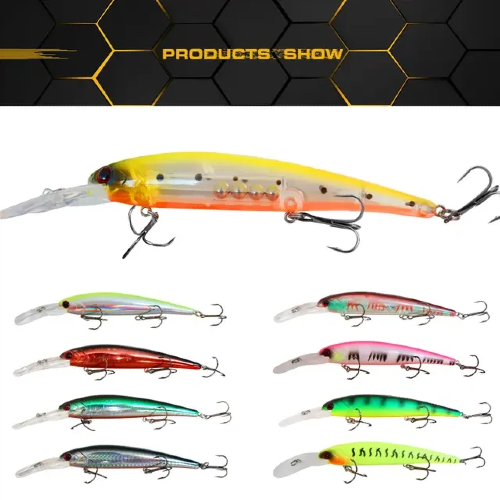
Crankbaits are hard-bodied lures designed to dive and mimic swimming baitfish. They cover mid-depth waters efficiently and are ideal for targeting cruising predators. The action of crankbaits can be varied by adjusting retrieval speed or rod angle.
Jigs
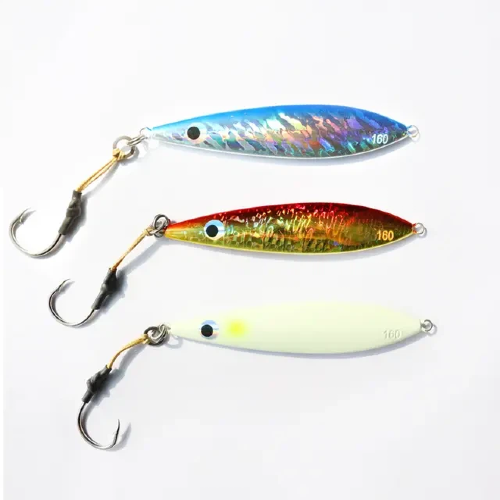
Jigs are weighted lures with soft tails or skirts, versatile for a variety of species. They excel in bottom-feeding scenarios and can be used in freshwater or saltwater environments. Adjusting jig weight and action allows anglers to adapt to currents and depth conditions.
Topwater Lures
Topwater lures float on the surface, creating dramatic visual strikes. Their action mimics prey struggling or swimming on the surface, exciting predatory instincts. These lures are effective during low-light periods such as dawn or dusk.
Spoons and Swimbaits
Spoons: Curved metal lures reflect light like fish scales, ideal for long casting and simple retrieval.
Swimbaits: Multi-jointed lures mimic realistic swimming patterns, triggering strikes from cautious predators.
Fishing Lure Summary Table
Type | Key Features | Ideal Species | Optimal Conditions |
Soft Plastics | Flexible, lifelike movement | Bass, trout, panfish | Shallow/midwater, variable conditions |
Spinnerbaits | Flash, vibration, metal blades | Pike, perch, bass | Murky water, aggressive fish |
Crankbaits | Diving action, mid-depth coverage | Walleye, bass | Lakes, rivers, moderate currents |
Jigs | Weighted, versatile | Catfish, panfish | Bottom feeders, deep water |
Topwater Lures | Surface action, visual strikes | Bass, trout | Shallow water, dawn/dusk |
Spoons | Reflective, easy retrieval | Trout, salmon | Deep water, open water |
Swimbaits | Multi-jointed, realistic swimming | Pike, muskie | Freshwater, cautious predators |
Matching Lure Type to Fishing Conditions
Water Clarity and Color Selection
Selecting the correct lure color is essential. In clear water, subtle, natural colors that resemble prey are highly effective. In murky water, bright, reflective, or fluorescent colors enhance visibility and increase strike probability.
Depth Considerations
Shallow water: Topwater lures and light soft plastics are best.
Mid-depth water: Crankbaits and spinnerbaits effectively cover targeted layers.
Deep water: Weighted jigs and spoons reach bottom-feeding species efficiently.
Temperature Effects
Cold water slows fish metabolism, favoring slow, subtle lure action. Warm water allows faster retrievals and encourages aggressive strikes, enabling the use of faster-moving lures.
Seasonal Adaptations
Adjusting lure choice to seasonal fish behavior maximizes effectiveness. Fish feeding patterns and activity levels change with temperature, daylight, and environmental factors, making seasonal adaptation essential for consistent success.
Advanced Features to Consider
Scented Lures
Scented lures release chemical attractants that stimulate predatory fish, particularly effective for species that rely heavily on smell or in low-visibility environments.
Vibration and Rattles
Built-in rattles and vibration mechanisms trigger a fish’s lateral line system, simulating struggling prey. These features are particularly effective in murky water or low-light conditions.
Reflective and UV Coatings
Reflective surfaces and UV coatings improve visibility, especially in deep or stained water. These features mimic natural light reflections from fish scales, increasing realism.
Durability and Material Quality
High-quality materials ensure long-lasting performance. Corrosion-resistant metals, flexible plastics, and reinforced components maintain effectiveness through repeated use in diverse conditions.
Tips for Selecting the Right Fishing Lure
Selecting the right fishing lure is a combination of observation, strategy, and careful experimentation. One of the most important tips is to observe fish behavior and environmental cues closely. Pay attention to how fish react to natural prey in your fishing area. Are they feeding near the surface, hovering mid-water, or staying close to the bottom? Understanding these patterns allows you to choose a lure that mimics the prey’s size, movement, and action effectively. Additionally, consider environmental factors such as water clarity, temperature, and current. These conditions can influence how visible and enticing a lure appears to the fish.
Another key strategy is to rotate lure types, colors, and retrieval speeds. Even subtle changes in movement or hue can trigger strikes from otherwise uninterested fish. By experimenting with different combinations, anglers can discover what works best for the target species under the current conditions.
Proper maintenance of fishing lures is also essential. Regularly clean your lures after each trip, sharpen hooks to ensure effective penetration, and replace worn or damaged components. Neglecting maintenance can reduce a lure’s realism and effectiveness.
Finally, experimentation is crucial. Adjusting retrieval speed, lure depth, and movement patterns—even slightly—can dramatically affect success rates. By observing results and continuously refining your approach, you increase the likelihood of consistently attracting fish and achieving a more productive fishing experience.
Environmental Responsibility
Anglers should practice sustainability by:
Using biodegradable or lead-free lures to reduce environmental impact.
Recycling worn or broken lures instead of discarding them.
Supporting manufacturers committed to eco-friendly production practices.
Responsible fishing ensures that water bodies remain healthy and productive for future anglers.
Conclusion
Selecting the right fishing lure is essential for maximizing angling success. Understanding species-specific behavior, water conditions, seasonal patterns, and advanced lure features allows anglers to make informed choices. Professional-grade lures combine design, durability, and innovation, providing reliable performance across diverse fishing scenarios.
For high-quality and innovative fishing lures, exploring options from Weihai Huayue Sports Co., Ltd. can help anglers access products designed for maximum efficiency, performance, and long-lasting use. Whether you are a novice or an experienced angler, choosing the right fishing lure is a critical step in enhancing your fishing experience.
FAQs
Q1: How do I know which fishing lure is best for a certain fish species?
Consider prey size, fish feeding behavior, and environment.
Q2: Should I use different lures in freshwater vs. saltwater?
Yes, saltwater requires corrosion-resistant materials and larger, stronger lures.
Q3: How does water clarity influence my choice of fishing lure?
Clear water favors natural colors; murky water requires bright or reflective lures.
Q4: Can scented lures improve catch rates?
Yes, chemical cues attract fish, especially in low-visibility conditions.
Q5: How often should I rotate lures while fishing?
Adjust lures based on fish response, environmental changes, and time of day.
Q6: Are advanced features like rattles and UV coatings really effective?
Yes, they increase realism and stimulate multiple fish senses, improving strike rates.

