Introduction
A fishing reel is a cylindrical device typically attached to a fishing rod, used for winding and unwinding fishing line. At first glance, this might seem like a basic mechanism, but in reality, fishing reels come in various forms, each with distinct mechanical systems, usage scenarios, and technical features. Anglers often ask, “What is a fishing reel called?” The answer depends on the type of reel in question and its intended application. While the general term remains “fishing reel,” there are several specific types that serve different needs. Let’s dive into the nuanced world of fishing reels to better understand their naming conventions, functions, and classifications.
Common Types of Fishing Reels and Their Names
Fishing reels are primarily categorized into four main types: spinning reels, baitcasting reels, spincast reels, and fly reels. Each has its own defining characteristics.
Spinning Reel
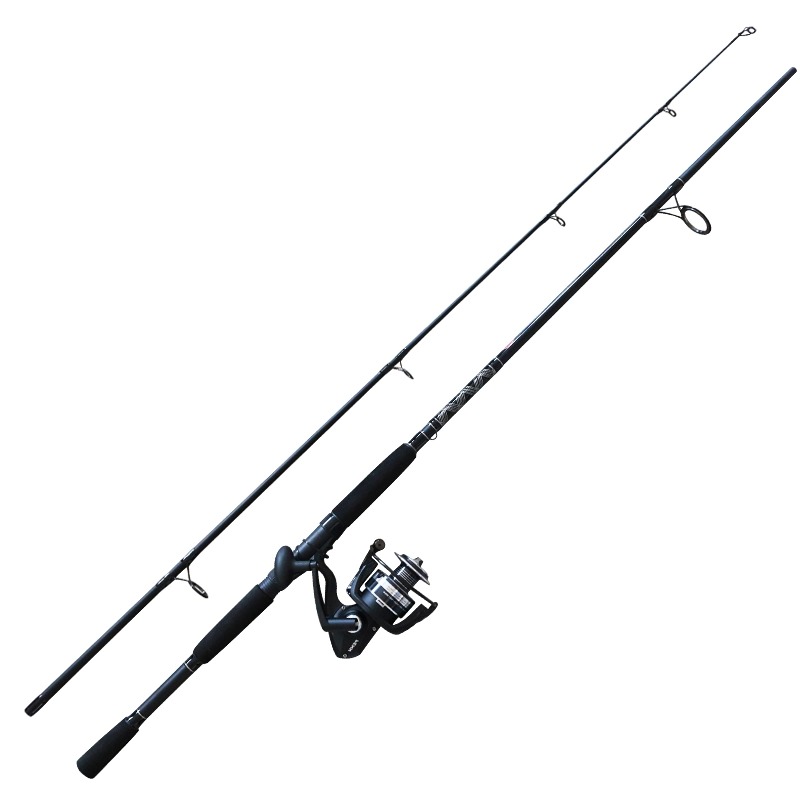
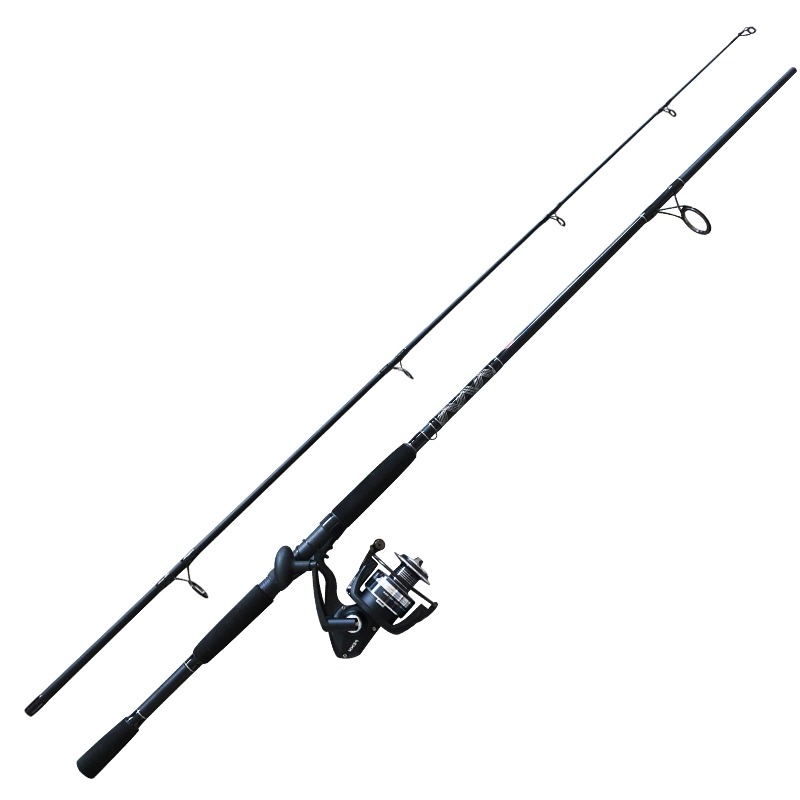
Spinning reels are the most common and beginner-friendly. They are mounted beneath the rod and feature a fixed spool, which makes them ideal for lightweight lures and long casting distances. The name “spinning” comes from the way the bail arm rotates around the fixed spool to wind the line.
Baitcasting Reel
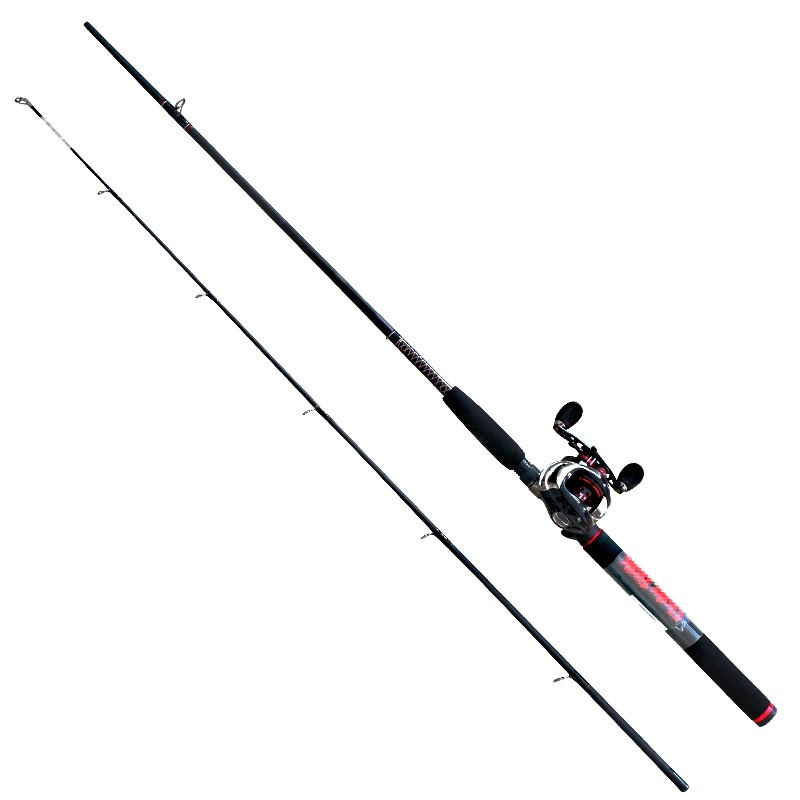
A baitcasting reel sits atop the rod and utilizes a rotating spool. It provides excellent control and accuracy but requires skill to avoid line tangling. It’s commonly used in freshwater bass fishing and for heavier lures.
Spincast Reel
Spincast reels are a hybrid, combining ease of use from spinning reels with some control features of baitcasters. The spool is enclosed, reducing line twists and backlash. This reel is often what beginners start with.
Fly Reel
Used in fly fishing, the fly reel is simpler in mechanics. Its primary purpose is to hold the line, help in retrieval, and balance the rod. Unlike others, it relies more on manual control and less on gear mechanisms.
| Reel Type | Mounting Position | Spool Type | Skill Level | Best For |
| Spinning Reel | Under the rod | Fixed | Beginner | General fishing |
| Baitcasting Reel | On top of the rod | Rotating | Intermediate+ | Precision casting |
| Spincast Reel | On top of the rod | Enclosed | Beginner | Casual fishing |
| Fly Reel | Center of rod handle | Manual | Intermediate | Fly fishing scenarios |
The Mechanics Behind the Name
The term “reel” originates from its mechanical role—to wind and store fishing line. Its etymology dates back centuries to when any rotating device that coiled thread, line, or cord was termed a "reel." In fishing, this function became integral as rod-and-line fishing techniques advanced.
What differentiates one reel from another, aside from design, is its drag system, gear ratio, line capacity, and retrieval method. Each of these components plays a role in how a reel functions and how it’s ultimately named. For instance, a “high-speed spinning reel” isn’t just a marketing phrase; it refers to a spinning reel with a high gear ratio designed for rapid line retrieval.
So, while “fishing reel” is the umbrella term, its full designation depends on design, function, and intended fishing application.
Fishing Reel FAQs Answered
1. Is a fishing reel the same as a rod?
No, the fishing rod and reel are separate components. The rod is the long, flexible pole, while the reel is the mechanical device attached to it for line control. Together, they form a complete fishing system.
2. Why are there so many types of fishing reels?
Different fishing scenarios demand specialized equipment. A saltwater angler targeting tuna needs a different reel from a trout fisherman in a mountain stream. Reels are designed based on line strength, casting technique, and fish species.
3. What is the easiest reel for beginners?
The spincast reel is considered the easiest due to its push-button mechanism and enclosed design, minimizing line issues.
4. Can I use any reel with any rod?
Not necessarily. Reels must match the rod’s specifications, including reel seat design, weight, and balance. For example, spinning reels should pair with spinning rods, not baitcasting rods.
Specialized Reels and Their Designations
In addition to the four main types, there are niche reels for specific environments:
Trolling Reels – Used on boats for deep-sea or offshore fishing. Designed to hold heavy lines and withstand large fish.
Surf Reels – Built for long-distance casting from shore, often with corrosion-resistant materials.
Centerpin Reels – Employed in float fishing, these reels offer smooth line release for precise drift control.
These names aren't arbitrary; they reflect both form and function, offering insight into how and where the reel is best used. It's a perfect example of how fishing gear terminology evolves from practical usage.
Conclusion
In its simplest form, a fishing reel is just that—a reel. But as you peel back the layers, you discover a rich vocabulary tied to technique, purpose, and skill level. Whether it’s a spinning, baitcasting, spincast, or fly reel, the term “fishing reel” expands into various subcategories, each vital to an angler’s success. Understanding these distinctions not only enhances your fishing knowledge but also helps in choosing the right gear for your next adventure.

