Introduction
Fishing is not just a hobby—it's a science, a passion, and for many, a way of life. However, one of the most frequently asked questions among beginners and even seasoned anglers is: What type of rod is best for fishing? With hundreds of options available, choosing the perfect fishing rod can be daunting. The right rod can dramatically influence your fishing performance, success rate, and overall experience. In this guide, we'll break down the types of rods, their use cases, materials, and how to select the best one tailored to your needs.
Spinning Rods – The Versatile Choice for Most Anglers
Spinning rods are perhaps the most commonly used rods due to their versatility and ease of use. Designed with a reel mounted underneath, these rods are ideal for beginners and intermediate anglers. Their open-faced design helps reduce line tangles and allows for longer, more accurate casts.
One major advantage of spinning rods is their flexibility. They can handle light to medium lures and are ideal for catching small to medium-sized fish like bass, trout, and panfish. These rods are particularly useful in freshwater environments but can also be adapted for light saltwater fishing. Their construction usually includes a medium power range, which means they can bend moderately, making them suitable for most common fishing techniques.
Spinning rods are great when paired with live bait or soft plastic lures. Their simple mechanism allows quick learning curves, and they’re usually more affordable than other specialized rods. If you're unsure where to start, a medium-action spinning rod between 6–7 feet is a solid all-purpose choice.
Casting Rods – Precision and Power for Experienced Anglers
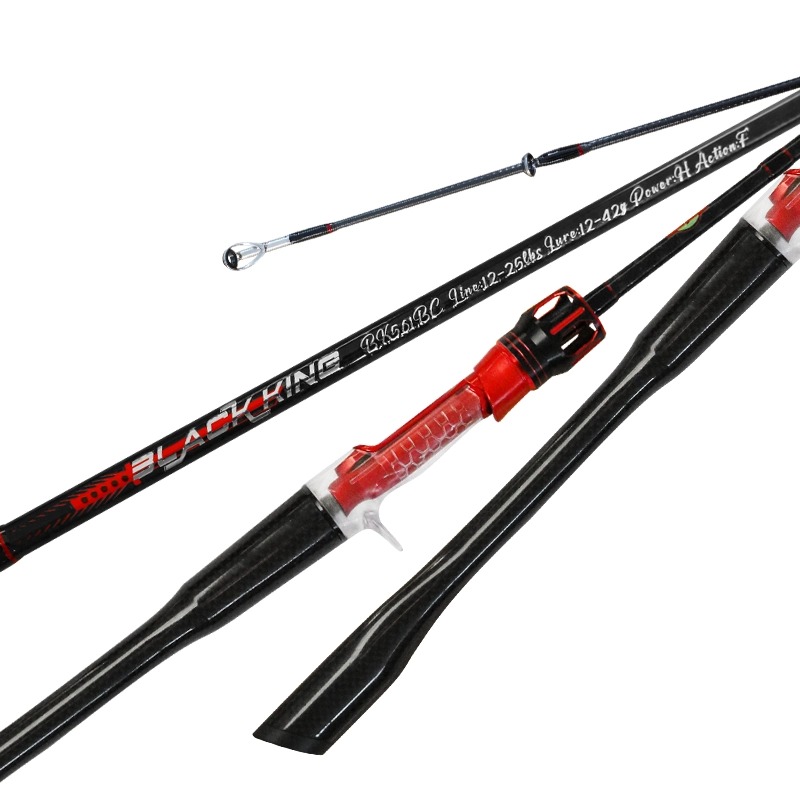
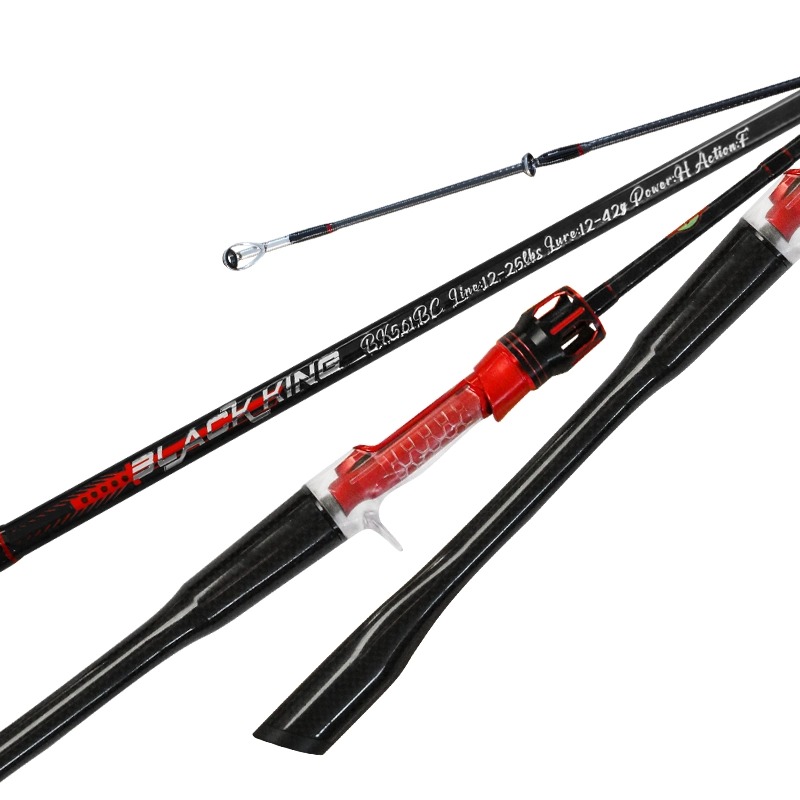
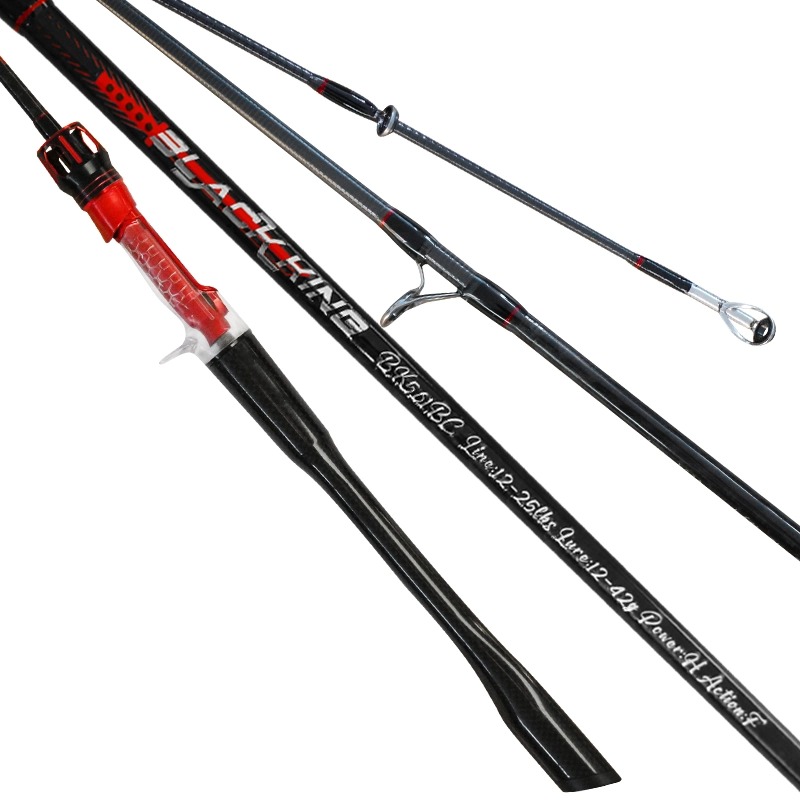
Casting rods, also known as baitcasting rods, are designed for anglers looking for precision, control, and power. Unlike spinning rods, these have the reel mounted on top of the rod and require a bit more skill to use effectively. These rods are ideal for heavier lures and lines, making them suitable for targeting larger fish species such as pike, muskie, and largemouth bass.
The design allows the angler to place baits with pinpoint accuracy, especially around structures or tight spots. However, they require practice to avoid backlashes—those dreaded tangles that occur when the spool spins faster than the line is cast.
Casting rods come in different power levels—from medium-heavy to heavy—and are excellent for techniques like flipping, pitching, or using topwater baits. They're the go-to choice for competitive anglers who demand performance and consistency.
If you’re looking to level up your fishing game and already have a good grasp of casting mechanics, then a baitcasting rod could be the best type for you.
Fly Rods – Specialized Tools for Elegant Angling
Fly rods are a completely different beast in the fishing world. Designed for fly fishing, these rods are long, flexible, and lightweight, allowing the angler to cast virtually weightless flies using specialized fly lines. Fly rods rely on the line’s weight to carry the fly, not the lure’s weight like in conventional rods.
These rods are mostly used in freshwater environments, such as rivers and streams, for targeting trout, salmon, and grayling. Fly rods require a unique casting technique—fly casting—that involves rhythmic back-and-forth motion to build up energy in the rod before releasing the line forward.
Fly rods are rated by “weight,” which corresponds to the line weight they’re intended to use. For example, a 5-weight rod is great for general trout fishing, while an 8-weight might be used for larger species like steelhead or light saltwater fish.
Fly fishing is more than catching fish—it’s about presentation, technique, and immersion in nature. If you’re someone who enjoys a challenge and appreciates the artistry in angling, a fly rod might be the best rod type for you.
Surf Rods – Heavy-Duty Equipment for Ocean Fishing
Surf rods are long, powerful rods specifically designed for fishing from beaches, piers, or jetties. Their length, typically ranging from 9 to 15 feet, allows anglers to cast far into the ocean to reach deeper waters where fish often roam.
These rods are built to handle heavy lines, large sinkers, and big bait. They often feature reinforced guides and grips to withstand the rigors of surf fishing. Surf rods are perfect for catching saltwater species like striped bass, redfish, bluefish, and even small sharks.
Due to their size and weight, surf rods are best suited for stationary fishing rather than constant casting and retrieval. Most anglers use sand spikes to secure the rod while waiting for a bite. If you're planning a coastal fishing trip or live near the ocean, a surf rod is a must-have in your gear collection.
While surf rods are specialized, they open up a new world of fishing opportunities and challenges, especially for those looking to land trophy-sized fish from shore.
Telescopic Rods – Portability Without Compromising Function
Telescopic rods are the most portable option available, thanks to their collapsible design. These rods can be extended for fishing and collapsed for easy transport, making them ideal for backpackers, travelers, or those with limited storage space.
While they may not offer the same level of performance as fixed rods, modern telescopic rods have significantly improved in strength, sensitivity, and durability. They're generally used for freshwater fishing and are available in spinning and casting versions.
These rods are perfect for casual anglers or anyone who wants to keep a rod handy during spontaneous trips. Telescopic rods are also a favorite among survivalists and emergency kits due to their compact nature.
If you value convenience and flexibility without sacrificing too much performance, a telescopic rod might be your best bet.
FAQ – Common Questions About Fishing Rods
Q1: How do I choose the right rod length?
The ideal rod length depends on your fishing environment and technique. Shorter rods (6 feet and under) are great for tight spaces and better accuracy. Longer rods (7 feet and up) offer better casting distance and leverage for fighting fish.
Q2: What does rod power and action mean?
Rod power refers to the rod’s strength or lifting power—light, medium, or heavy. Rod action indicates how much the rod bends—fast action rods bend mostly at the tip, while slow action rods bend throughout. Choosing the right combination affects hook setting and lure presentation.
Q3: Can one rod do everything?
While some “all-purpose” rods exist, no single rod excels at every fishing style. A medium-power, fast-action spinning rod is a versatile choice, but specialized rods deliver better results for specific techniques.
Comparison Table – Best Rod Types by Fishing Scenario
| Fishing Scenario | Recommended Rod Type | Best For |
| Freshwater (Beginners) | Spinning Rod | Easy casting, general-purpose fishing |
| Big Game Fish | Casting Rod | Precision and power with heavy lures |
| Fly Fishing | Fly Rod | Accurate fly presentation in streams |
| Ocean/Beach Fishing | Surf Rod | Long-distance casting in saltwater |
| Travel/Backpacking | Telescopic Rod | Compact, portable, good for on-the-go |
Conclusion
Ultimately, the best fishing rod is the one that aligns with your specific needs, skill level, and fishing environment. There is no one-size-fits-all solution. A spinning rod might be perfect for a lake weekend, but a surf rod is irreplaceable on the beach. By understanding the characteristics of each rod type, you can make an informed decision that enhances your fishing experience.

