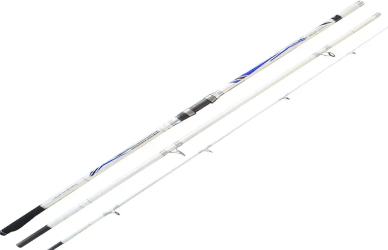
Spinning rods are one of the most popular and versatile types of fishing rods used by anglers. They are designed with a fixed spool reel, which allows for smooth and accurate casting. Spinning rods are typically lighter and more flexible than other rod types, making them ideal for various fishing techniques, from freshwater fishing for bass to saltwater fishing for larger game fish. The key advantage of a spinning rod lies in its ability to cast lighter baits over longer distances with greater ease, offering a better overall experience, especially for beginners.
When it comes to fishing, choosing the right fishing line is crucial for the success of your fishing trip. The fishing line plays a significant role in the way the rod performs, how well you can cast, and how effective your catch will be. Different lines—monofilament, fluorocarbon, and braided—offer unique benefits depending on the fishing conditions and the type of fish you are targeting. Using the right line ensures better control, improved sensitivity, and a greater chance of landing your fish. Understanding the relationship between your spinning rod and the appropriate fishing line is key to maximizing your performance on the water.
Basic Knowledge on Fishing Lines
When it comes to choosing the right fishing line for your rod, understanding the different types of fishing lines available is essential. The three most common types of fishing lines are monofilament, fluorocarbon, and braided. Each type has distinct properties that make them suited to different fishing techniques, conditions, and species.
1.Monofilament Line
Monofilament is the most commonly used fishing line, known for its flexibility and ease of use. Made from a single strand of nylon, this line has been a staple in the fishing industry for decades.
Pros:
Affordable: Monofilament is generally the most budget-friendly option.
Stretch: It has good elasticity, which helps absorb shock when a fish strikes, reducing the chance of the line snapping.
Versatility: Suitable for a variety of fishing techniques and species.
Knot strength: It holds knots well and is easy to tie.
Cons:
Visibility: Monofilament is more visible in the water compared to other lines, which can scare off fish in clear waters.
Durability: It is prone to damage from UV rays and abrasion, which can lead to wear and tear over time.
Stretch: While the stretch can be an advantage in some cases, it also reduces sensitivity, making it harder to feel bites.
2.Fluorocarbon Line
Fluorocarbon line is made from polyvinylidene fluoride (PVDF) and is known for its low visibility underwater. It is commonly used by anglers who want a nearly invisible line in clear water.
Pros:
Low visibility: Fluorocarbon is nearly invisible underwater, making it ideal for clear water fishing.
Abrasion resistance: It is highly resistant to abrasion, making it suitable for fishing in rocky areas or environments with sharp objects.
Sensitivity: Fluorocarbon has little stretch, providing better sensitivity to detect bites and strikes.
Cons:
Stiffness: Fluorocarbon can be stiffer than monofilament, which may make casting slightly more difficult, especially for beginners.
Price: It tends to be more expensive than monofilament.
Memory: Fluorocarbon has a tendency to retain the shape of the spool, which can cause line twists and tangles.
3.Braided Line
Braided line is made from multiple strands of fibers woven together, creating a strong and thin line. It is often used for heavy-duty fishing, especially when targeting large species.
Pros:
Strength: Braided line is extremely strong for its diameter, making it perfect for targeting large fish.
Sensitivity: With little to no stretch, braided line provides exceptional sensitivity, allowing you to feel every nibble.
Durability: It is highly resistant to abrasion and lasts longer than both monofilament and fluorocarbon.
Thin profile: The thin diameter allows for greater line capacity and longer casts.
Cons:
Visibility: Braided line is very visible in the water, which can make fish wary in clear waters.
Knot strength: While strong, braided lines can be difficult to knot and often require special knotting techniques.
Stretch: Braided lines have no stretch, which can result in less forgiving performance when fighting fish. This can lead to line breaks if not managed carefully.
How to Choose the Right Line Based on Fishing Style
Choosing the right fishing line depends on your fishing style and the environment. Whether you're fishing light or heavy, and whether you're in freshwater or saltwater, it impacts your line choice.
1.Light vs. Heavy Fishing: Choosing the Right Weight
Light Fishing:
Line Weight: For targeting smaller species like trout or panfish, use a lighter line (2-8 lbs). Lighter lines offer delicate presentations and better casting distance.
Best Lines: Monofilament for flexibility and stretch, or fluorocarbon for low visibility in clear waters.
Heavy Fishing:
Line Weight: For larger species like salmon or pike, choose a stronger line (10-50 lbs).
Best Lines: Braided line is preferred for its strength-to-diameter ratio and durability, perfect for heavy-duty fishing.
2.Fishing Environments: Freshwater vs. Saltwater
Freshwater:
Line Choice: Monofilament is popular for freshwater fishing, especially in lakes and rivers. Fluorocarbon is ideal for clear water.
Line Characteristics: Freshwater lines are flexible and forgiving, but braided lines may be less suitable due to their visibility.
Saltwater:
Line Choice: Fluorocarbon or braided lines are better for saltwater fishing due to their abrasion resistance and strength.
Line Characteristics: Saltwater environments require durable lines that can handle harsh conditions.
Recommended Fishing Lines
Choosing the right fishing line is key to success on the water. Each line type offers unique advantages based on your fishing needs. Here are the most recommended fishing lines:
1.Monofilament Line
Ideal for Beginners: Monofilament is affordable, versatile, and easy to use.
Advantages:
Cost-effective: One of the most budget-friendly options.
Flexibility: Offers good stretch, making it forgiving on fish strikes.
Knot Strength: Easy to tie and holds knots well.
Best For: General-purpose fishing, including casting and topwater fishing.
2.Fluorocarbon Line
Best for Low Visibility and Abrasion Resistance: Fluorocarbon is nearly invisible underwater and highly abrasion-resistant.
Advantages:
Invisible in Water: Perfect for clear water conditions.
Durability: Resistant to abrasion, great for rocky or tough environments.
Sensitivity: Low stretch for better bite detection.
Best For: Clear water, deep-water fishing, and line-shy fish like trout and bass.
3.Braided Line
High Strength for Heavy-Duty Fishing: Made from multiple fiber strands, offering superior strength for its diameter.
Advantages:
Strength: Ideal for large fish, providing exceptional power.
Sensitivity: Minimal stretch for maximum sensitivity.
Durability: Extremely resistant to abrasion and wear.
Best For: Heavy-duty fishing in both freshwater and saltwater, especially for big fish and tough environments.
Key Factors When Choosing a Fishing Line
Choosing the right fishing line is essential for success. Key factors such as strength, durability, and environmental conditions influence the line choice.
1.Strength, Durability, and UV Resistance
Strength: The line’s strength should match the target fish species. Larger fish need stronger lines (higher pound test), while smaller fish require lighter lines.
Durability: Fishing lines are exposed to rough conditions, so durability is crucial. Braided lines are highly durable, while fluorocarbon also performs well in abrasive environments.
UV Resistance: UV rays weaken fishing lines over time. Fluorocarbon and braided lines have better UV resistance than monofilament, making them ideal for prolonged exposure to sunlight.
2.Environmental Factors Affecting Line Choice
Water Clarity: In clear water, fluorocarbon is preferred for its low visibility. In murky waters, monofilament or braided lines work well, as visibility is less of an issue.
Water Temperature: Cold water can stiffen monofilament, reducing sensitivity. Braided and fluorocarbon lines perform better in varying temperatures, maintaining flexibility and sensitivity.
FAQ (Frequently Asked Questions):
1.What is the best fishing line for beginners using a spinning rod?
Monofilament line is the best choice for beginners as it's easy to use, affordable, and suitable for most fishing styles.
2.Can I use braided line with a spinning rod?
Yes, braided line provides high strength and low stretch, ideal for heavy-duty fishing, but requires a suitable reel setup.
3.What fishing line should I use for saltwater fishing with a spinning rod?
Fluorocarbon or braided lines are better for saltwater fishing due to their enhanced abrasion resistance and UV protection.
4.How often should I replace the fishing line on my spinning rod?
It's recommended to replace the fishing line at least once per season, or sooner if it shows signs of wear, tangling, or aging.
Conclusion
In summary, choosing the best fishing line depends on both your fishing style and the environment. For general use and beginners, monofilament offers versatility and ease of use. If you're fishing in clear water or need abrasion resistance, fluorocarbon is an excellent choice. For heavy-duty fishing, especially when targeting large fish or fishing in tough conditions, braided line provides superior strength and sensitivity. Additionally, it's important to regularly check your fishing line for wear and tear, as UV exposure, abrasion, and natural degradation can weaken it over time. Replacing the line periodically ensures optimal performance, helping you avoid break-offs and increasing your chances of a successful catch. Regular maintenance of your fishing line is a simple yet effective way to enhance your fishing experience.

