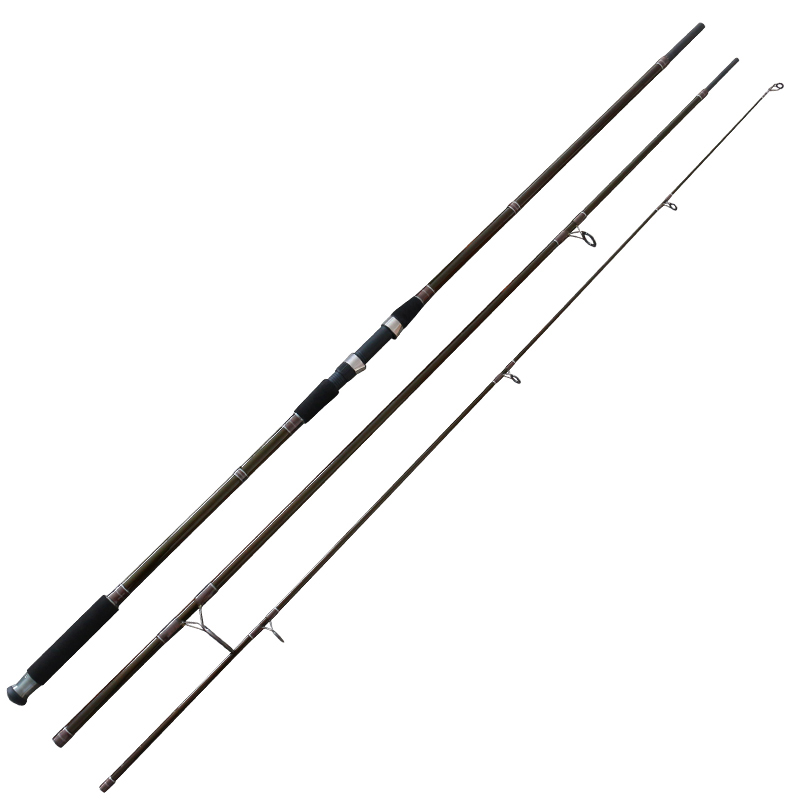
Anglers frequently stall at checkout because selecting the wrong test curve feels incredibly risky. Choose poorly, and you might end up holding a rigid "broomstick" causing hooks to pull near the landing net. Alternatively, you could pick a blank too weak to hit distant features accurately. The ideal test curve is never about the size of the fish you want to catch. Instead, it represents a highly calculated balance between your typical casting distance, lead weight requirements, and the presence of underwater snags. Understanding this balance proves crucial for consistent success on the bank. This guide provides a definitive framework to evaluate which specifications align perfectly against your specific angling environments. We will break down technical measurements, rod actions, and leverage physics. You will learn how to finalize your setup confidently, eliminating trial-and-error spending entirely.
Key Takeaways
- Test curve dictates casting weight, not fish size: A higher test curve handles heavier leads and casts further; it does not mean you will catch larger fish.
- The all-rounder standard: For most mid-to-large freshwater venues, a 3.00lb to 3.25lb test curve offers the optimal baseline for both casting ability and fish-playing control.
- The distance trade-off: Opting for a 3.5lb+ long casting carp rod sacrifices under-the-tip shock absorption, requiring adjustments to your end tackle to prevent hook pulls.
- Length alters leverage: A 12-foot and a 10-foot rod with identical test curves will behave differently under load; test curve cannot be evaluated in a vacuum without factoring in rod length.
What Does Test Curve Actually Measure on a Carp Rod?
To make an informed purchase, we must first understand the technical definition of a test curve. Manufacturers use an objective measurement standard across the industry. The test curve is the exact weight required to pull the rod tip down to a 90-degree angle relative to the butt section. During testing, technicians clamp the rod butt horizontally. They then gradually apply weight to the tip ring. When the tip bends straight down toward the floor, they record the weight. This final figure provides a measurable baseline for the stiffness of the blank.
Beginners often harbor a widespread misconception regarding this metric. They falsely assume heavier fish require a heavier test curve. We need to debunk this beginner myth immediately. The test curve primarily manages your casting payload, meaning the combined weight of your lead and PVA bag. Rod action and intelligent reel clutch management are what actually fight the fish. You select a Carp Rod based on how far you need to throw a specific weight. A softer rod can easily land massive fish as long as you play them correctly and allow the reel drag to absorb sudden lunges.
Modern material realities also shift how we perceive these measurements. Historically, achieving a high test curve meant producing a thick, unwieldy fiberglass blank. Today, advanced manufacturing techniques rewrite the rules. A modern carbon carp rod utilizes high-tonnage carbon mats and advanced resin systems. This technology allows for exceptionally slim blanks possessing incredibly high test curves. They offer massive casting power without the cumbersome weight anglers expected decades ago. You can now hold a highly responsive, slimline rod possessing immense backbone.
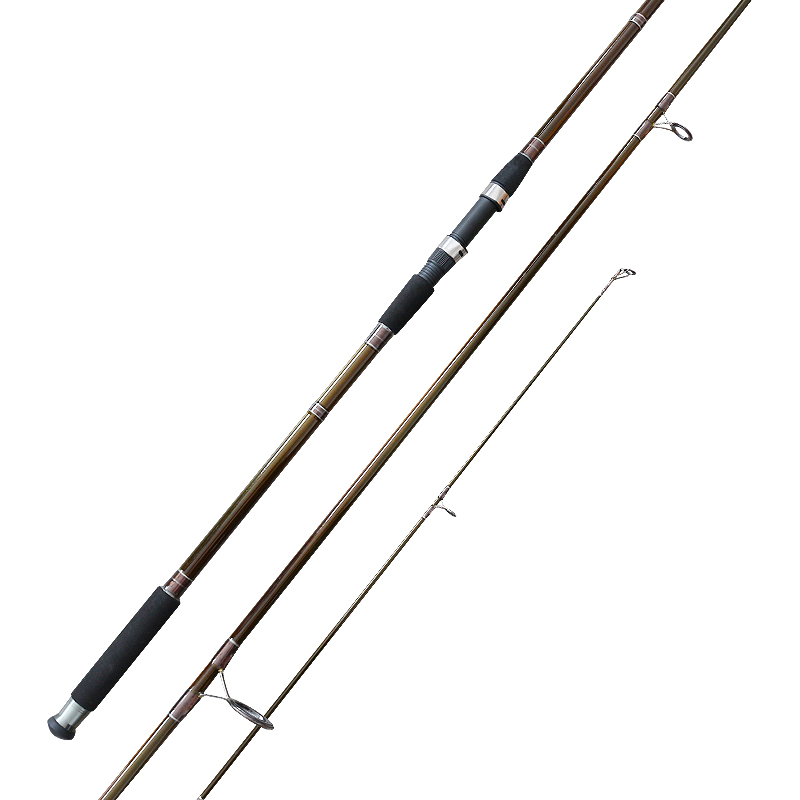
Decision Framework: Matching Test Curve to Venue and Distance
Choosing the right specification requires analyzing your primary fishing venues. The water you fish dictates the distance you must cast and the snags you must overcome. We can break this decision down into three core categories based on practical angling environments.
Small Waters & Margin Fishing (2.25lb – 2.75lb)
Softer rods excel in intimate settings like small ponds, canals, or heavily wooded margins. They are best for casts under 60 yards in clear water conditions. Choosing this lighter bracket maximizes the "fun" factor of playing the fish. You will feel every single lunge, headshake, and change of direction. The blank absorbs sudden erratic movements beautifully, protecting delicate hook holds. However, considerable risks exist. A lighter rod lacks the structural backbone needed to steer angry fish away from heavy weed beds or sunken trees. Furthermore, it struggles severely to cast aerodynamic payloads into strong headwinds.
The All-Rounder (3.00lb – 3.25lb)
This middle bracket dominates the market for a very good reason. It represents the ultimate standard for a versatile freshwater fishing rod. These specifications are best for general applications and casts up to 100 yards. They effortlessly handle standard PVA bag setups and medium-sized method feeders. This test curve scales perfectly across varying scenarios. You retain enough tip forgiveness for nervous close-quarter battles near the landing net. Simultaneously, the butt section retains sufficient power to ensure medium-range casting accuracy. If you fish a variety of day-ticket lakes and club waters, this is your optimal starting point.
Extreme Distance & Heavy Snags (3.5lb – 3.75lb+)
Sometimes you face vast reservoirs, inland seas, or brutal weed beds. In these extreme environments, a purpose-built long casting carp rod becomes essential. These higher test curves are best for punching heavy leads well past the 120-yard mark. They also provide the brute force required to drag fish out of thick snaggy environments. However, they carry a strict implementation warning. You must practice meticulous drag management at the netting stage. Because the tip offers minimal shock absorption, a sudden lunge under the rod can easily rip the hook out. You must rely entirely on your reel's clutch to yield line during those critical final moments.
The Technical Calculation: Pairing Lead Weights to Your Test Curve
Matching your lead weight to your test curve is not a guessing game. Industry standards provide reliable mathematical baselines. Anglers rely on a widely accepted "Rule of Thumb" formula for optimal casting performance. The rule states you should use 1 oz of casting weight for every 1lb of test curve. You can add or subtract 0.5 oz to find the perfect sweet spot for your specific casting style. This formula ensures your rod blank compresses efficiently, loading up energy before releasing it powerfully.
Lead Weight and Test Curve Application Matrix
| Test Curve Range | Optimal Lead Weight | Best Application |
| 2.25lb – 2.75lb | 2.0oz – 3.0oz | Margin fishing, close range, stalking, clear water. |
| 3.00lb – 3.25lb | 3.0oz – 3.5oz | Standard PVA bags, mid-range casts, all-round utility. |
| 3.50lb – 3.75lb+ | 4.0oz – 5.0oz+ | Heavy solid PVA bags, extreme distance, heavy weed beds. |
Ignoring these calculations introduces severe overloading risks. Exceeding the optimal casting weight damages your equipment and hinders your performance. First, pushing excessive weight stresses the carbon blank dangerously, risking micro-fractures or catastrophic snapping during the cast. Second, your casting accuracy plummets. An overloaded rod tip struggles to recover its straight position quickly. It wobbles mid-flight, creating friction against the line. Finally, this reduced blank recovery speed robs you of vital casting distance. The energy dissipates into the wobble rather than propelling the lead forward.
The Trade-off: Casting Power vs. Fish-Playing Action
Test curve only forms half the performance equation. You must evaluate the rod's action alongside its test curve rating. Action dictates exactly where the rod bends under load. The three main categories include through-action, middle-to-tip, and fast-taper. A 3.25lb through-action rod bends smoothly down to the butt. It feels entirely different from a 3.25lb fast-taper rod, which only bends near the top section. Evaluating action helps you understand how the rod will behave during a fight.
Fast-taper rods with high test curves create a "stiff broomstick" reality. Anglers desire them because they compress heavy leads efficiently for massive casts. The rigid lower sections generate incredible tip speed. However, this same rigidity severely compromises the fight. These stiff blanks refuse to bend easily under sudden pressure. Consequently, they significantly increase the likelihood of hook pulls when the fish thrashes near the landing net. The force transfers directly to the hook hold instead of absorbing into the blank.
If you commit to a heavy test curve for distance casting, you must mitigate these risks actively. Adjusting your terminal tackle compensates for the lack of rod forgiveness. Follow these specific strategies:
- Switch to monofilament mainlines or leaders: Monofilament possesses inherent stretch. It absorbs the violent shocks your stiff rod blank cannot handle.
- Utilize softer hooklinks: Pliable braid materials allow the hook to turn naturally and hold more securely inside the fish's mouth.
- Loosen your clutch earlier: Back off your reel drag as soon as the fish surfaces near the margins. Let the reel do the shock-absorbing work.
- Opt for thicker gauge hooks: A heavier wire hook resists tearing or bending under the extreme pressure exerted by a rigid rod setup.
How Rod Length Changes the Test Curve Dynamic
You cannot evaluate test curve accurately in a vacuum. Rod length fundamentally alters the entire mechanical dynamic. We must examine the physics of leverage to understand this variable. Consider the performance differences between 10ft, 12ft, and 13ft models. A 3.25lb test curve on a 10ft rod will feel significantly stiffer and less forgiving than a 3.25lb curve on a 13ft rod. The longer lever spreads the physical load over a greater distance. This distribution makes the longer blank feel distinctly softer when fighting a fish.
Short rod scalability highlights this leverage principle perfectly. Many anglers use 10ft rods for boat work, stalking, or tight swims enclosed by trees. Because the shorter lever feels inherently stiffer, anglers must adjust their specifications. They often drop their test curve down to 2.75lb or 3.00lb. Doing so maintains essential fish-playing control. It prevents the compact setup from feeling overly harsh and pulling hooks at close quarters.
Conversely, long rod requirements operate on the opposite end of the spectrum. Manufacturers design 13ft setups specifically for maximum distance casting. These longer rods rarely dip below a 3.25lb test curve. The extended lever requires a much stiffer baseline simply to function correctly. A 13ft rod needs that higher test curve to recover quickly and snap straight during an aggressive overhead cast. Without that underlying stiffness, the long tip would feel floppy, wildly inaccurate, and incapable of hitting extreme ranges.
Conclusion
Selecting the right rod specification relies entirely on practical shortlisting logic. Do not buy based on the biggest fish swimming in the lake. Instead, buy based on the maximum distance you need to cast and the size of the payload you intend to throw. Balancing your casting weight against the correct rod stiffness improves accuracy while significantly reducing hook pulls at the net.
Before purchasing your next setup, audit your most frequent fishing venues. Take the following actionable steps:
- Calculate your average casting distance over your last five sessions.
- Assess the weed density and the presence of underwater snags.
- Weigh your fully loaded PVA bags or standard lead setups accurately.
Use these specific data points alongside the rules of thumb provided above. Cross-reference your findings with the appropriate rod length for your chosen swim. This methodical approach ensures your final gear selection enhances your technique rather than hindering it.
FAQ
Q: Can I catch a 40lb carp on a 2.75lb test curve rod?
A: Yes. Test curve measures casting payload capacity, not lifting power. With proper drag usage and open water, a softer rod easily lands large fish. The key is taking your time and letting the reel's clutch do the heavy lifting rather than forcing the fish.
Q: Is 3.5lb too stiff for a beginner?
A: Generally, yes. It requires refined casting technique to compress the blank properly. Furthermore, a stiff rod increases the risk of losing fish at the net due to a lack of forgiveness. A 3.00lb is a much safer starting point for novices.
Q: What test curve is best for solid PVA bags?
A: Because solid PVA bags can weigh between 4oz and 6oz when fully packed, you need substantial backbone. A 3.25lb or 3.5lb test curve is highly recommended. These heavier curves handle the dead weight safely without overloading the rod tip during the cast.

