Introduction
Choosing the right fishing rod can feel overwhelming, especially if you're just dipping your toes into the world of angling. One of the most common questions beginners ask is, "What size rod is best for me?" The size of your fishing rod—primarily its length and power—can dramatically affect your casting ability, accuracy, comfort, and success rate. For a newcomer, understanding rod size is not just about measurement; it’s about matching the right tool with your fishing environment and personal comfort.
A rod that’s too long might give you casting distance but compromise control. One that’s too short might offer precision but limit your reach. This article is a comprehensive guide crafted to help beginners navigate the key factors that go into choosing the optimal fishing rod size.
Understanding the Basics — What Does "Rod Size" Really Mean?
When we talk about "rod size," we’re referring primarily to the rod's length and power rating, and secondarily to its action. Here's a breakdown of each:
Length: Ranges typically from 4 to 14 feet. Longer rods cast farther, shorter rods provide better control.
Power: Refers to the rod's resistance to bending—light, medium, or heavy.
Action: Describes how much of the rod bends when pressure is applied. Fast action means the rod bends mostly at the tip; slow action bends along most of the rod.
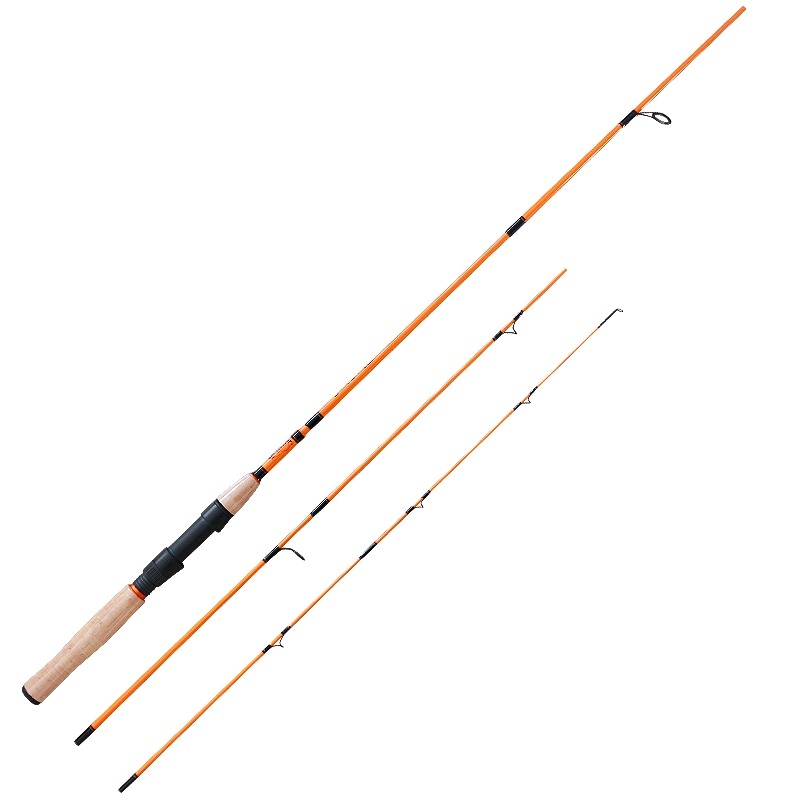
For beginners, a medium power, fast action rod between 6 and 7 feet is generally recommended. This configuration offers the best balance between casting distance, control, sensitivity, and versatility across freshwater species.
Ideal Rod Length for Beginners — Why 6 to 7 Feet Works Best
A 6’ to 7’ fishing rod is often referred to as the “sweet spot” for beginners—and for good reason. It strikes a balance between maneuverability and casting range. At this length, you’re still able to make long casts without needing too much technique, and you maintain better control over your line and lure.
Longer rods (8–14 feet) are usually used for surf fishing or techniques requiring greater distance, but they can feel unwieldy to a beginner. Conversely, shorter rods (under 6 feet) are great for close-quarters fishing, such as in tight creeks or small boats, but they limit your reach and casting range.
For most freshwater fishing scenarios—whether it’s catching bass in a lake, trout in a stream, or panfish at the local pond—a 6’6” medium power, fast action spinning rod will do the job admirably.
Rod Power and Action — Matching the Rod to Your Fishing Style
For beginners, medium power and fast action is the gold standard. But what do these terms actually mean for you?
Power affects the type of fish you can handle. Light power rods are suitable for smaller fish like bluegill or crappie. Heavy rods are used for larger species like catfish or musky. Medium power rods handle most average freshwater fish easily, making them the most versatile.
Action affects the sensitivity and hook-setting power. Fast action rods are more sensitive at the tip, helping you feel even the lightest bites. They also allow quicker hook sets, which is especially useful when learning proper timing.
This combination not only supports a wide range of lures and techniques but also provides the right feedback to help beginners learn the subtleties of fishing without being overly complicated or physically taxing.
Freshwater vs Saltwater — Does the Environment Change Your Rod Choice?
Absolutely. The type of water you're fishing in has a direct impact on the type of rod you should use—even as a beginner.
Freshwater Fishing: Typically involves smaller to medium-sized species. A 6–7 foot medium rod is perfect for lakes, ponds, and rivers.
Saltwater Fishing: Usually demands more robust gear. Saltwater fish tend to be larger and stronger, requiring rods that can withstand more stress. Even beginners in saltwater should consider slightly longer (7–9 feet), medium-heavy rods with corrosion-resistant components.
For complete novices, it’s usually best to start with freshwater fishing. The gear is more forgiving, the species are less challenging, and the environments are easier to access. Once you gain confidence and experience, you can graduate to more specialized saltwater equipment.
Spinning vs Casting Rods — Which is Easier for Beginners?
One major decision that affects rod size and usability is choosing between spinning rods and casting rods. Here’s a quick comparison:
| Feature | Spinning Rod | Casting Rod |
| Ease of Use | Very beginner-friendly | Requires more skill |
| Line Twist | Minimal | Higher chance of backlash |
| Rod Size Availability | Broad range (4–10 feet) | Typically 6–8 feet |
| Reel Placement | Bottom of the rod | Top of the rod |
| Casting Accuracy | Moderate | High (with experience) |
For beginners, spinning rods are generally the better choice. They are easier to master, and a 6’6” spinning rod paired with a 2500-size reel makes a perfect starting setup. It’s suitable for a wide range of fishing styles and species, giving you room to experiment without being too specialized.
FAQs — Quick Answers to Common Beginner Questions
Q1: Can I use the same rod for all types of fish?
No, but a medium power, fast action rod can handle most freshwater species. You’ll need specialized rods for bigger saltwater fish or specific techniques like fly fishing.
Q2: Should I buy a one-piece or two-piece rod?
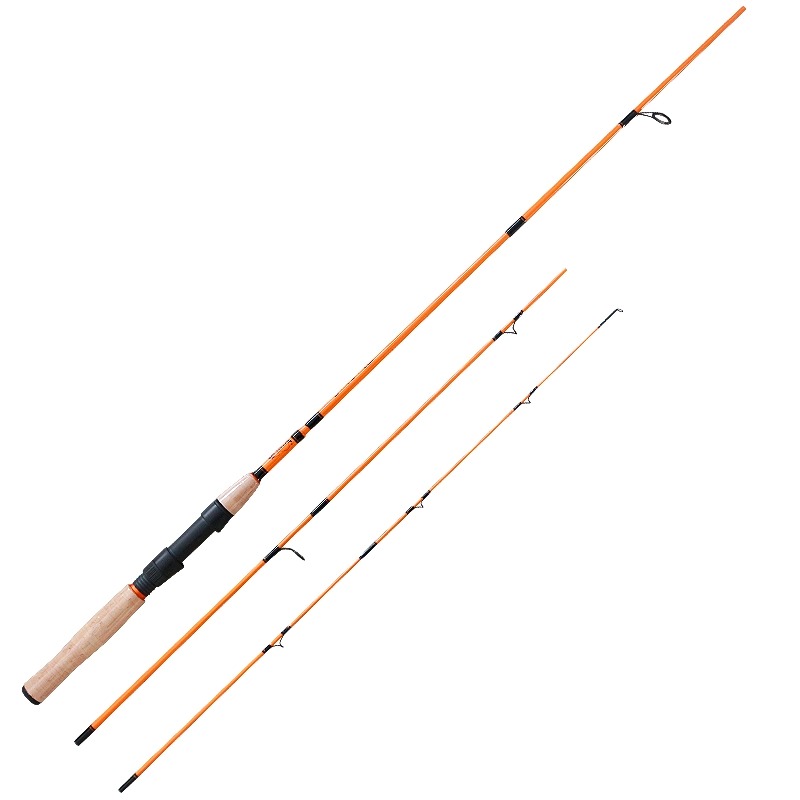
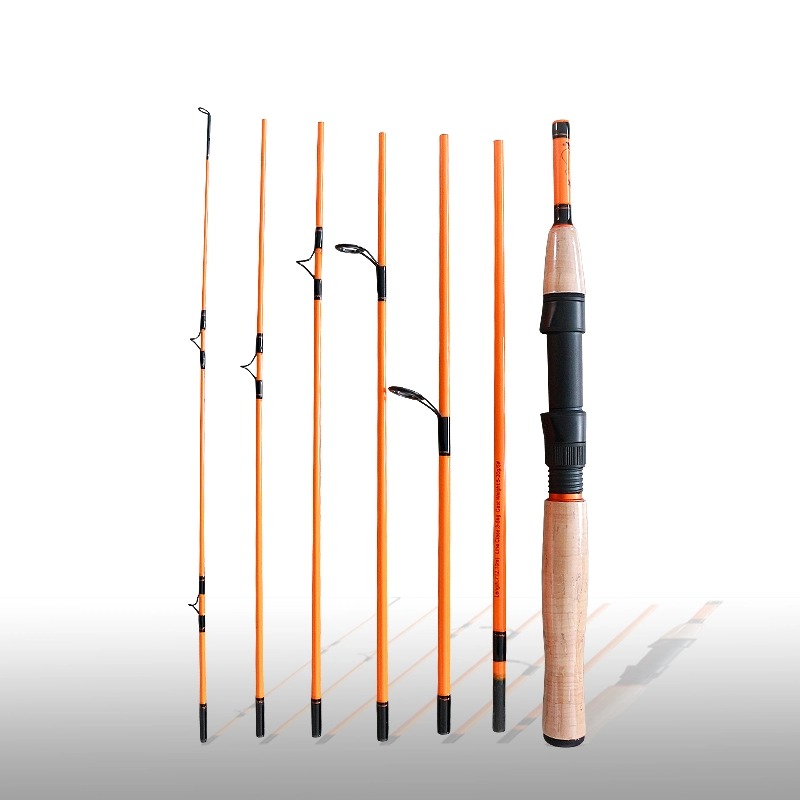
Two-piece rods are more convenient for travel and storage, but one-piece rods tend to be more sensitive and durable. For beginners, a two-piece rod offers more flexibility.
Q3: How much should I spend on my first rod?
A decent beginner rod-and-reel combo can cost anywhere from $40 to $100. Don't go too cheap, but you also don't need top-tier gear to learn effectively.
Q4: What’s the best rod for kids or younger anglers?
Shorter rods (4–5 feet), ultra-light or light power rods are great for kids. They're easier to control and make fishing more enjoyable without fatigue.
Q5: Can I upgrade my rod later?
Absolutely. In fact, many anglers build a collection over time. Start with a versatile rod, and as your skills grow, you can specialize your gear.
Conclusion
Choosing the right size fishing rod as a beginner doesn’t have to be complicated. The golden rule is to keep it simple and versatile. A 6 to 7-foot spinning rod with medium power and fast action will give you the flexibility to try different environments, lure types, and techniques without overwhelming you.
This setup offers a great learning platform while still being effective enough to catch a variety of fish. Once you're comfortable and confident, you'll be ready to explore more advanced gear tailored to your favorite type of fishing.

