Ever wondered why some fishing trips yield more catches than others? The secret often lies in the fishing lure used. Choosing the right lure can significantly impact your success, making it crucial for anglers. In this post, you'll learn about various types of fishing lures, their importance, and how to select the best one for your fishing adventure.
The Most Used Fishing Lure: An Overview
Factors Influencing Lure Popularity
The popularity of a fishing lure depends on several key factors. First, effectiveness plays a huge role. Anglers prefer lures that consistently catch fish across various conditions. A lure that mimics natural prey well tends to attract more strikes. Durability also matters—lures that last longer save money and effort. Ease of use influences popularity too; beginner-friendly lures often become staples among casual anglers. Lastly, versatility is crucial. Lures that work for multiple species or in different water types gain wider acceptance.
Historical Context and Evolution
Fishing lures have evolved significantly over time. Early lures were simple, often crafted from wood or bone, designed to imitate local baitfish or insects. Over decades, innovations like metal spoons and spinnerbaits introduced flash and vibration to attract fish. The 20th century saw the rise of plastic soft baits, offering lifelike action and color variety. Iconic designs like the Rapala Original Floating Minnow, dating back to the 1930s, remain popular due to their proven effectiveness. Advances in materials and manufacturing have allowed for more realistic, durable, and specialized lures, shaping modern angling practices.
Current Trends in Lure Usage
Today, anglers favor lures that blend traditional appeal with modern technology. Soft plastics, such as worms and swimbaits, dominate freshwater fishing for bass due to their natural movement and adaptability. Spinnerbaits and chatterbaits remain popular for covering water quickly and provoking reaction strikes. Topwater lures, like poppers and walkers, offer exciting surface action, especially in warmer months. In saltwater, durable spoons and jigs with realistic finishes attract predatory species. Additionally, scented lures and those with built-in rattles or vibration features are gaining traction for their sensory appeal to fish.
Note: The most used fishing lures combine proven design, versatility, and ease of use, making them reliable choices for anglers across skill levels and environments.
Types of Fishing Lures and Their Uses
Spinnerbaits: Versatility and Application
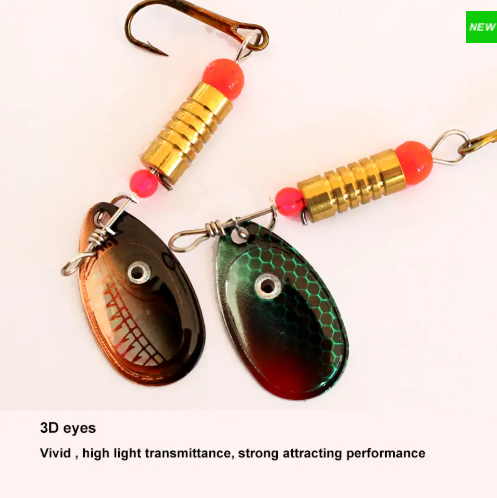
Spinnerbaits are popular for their ability to cover water quickly and attract fish through flash and vibration. They feature one or more spinning blades attached to a wire frame, paired with a skirted hook that mimics small prey. These lures work well in murky or stained water because the blades produce vibrations fish detect easily. Spinnerbaits target species like bass, pike, and panfish. They’re easy to use, making them ideal for beginners and pros alike. Anglers often fish them around vegetation, submerged timber, or rocky cover to provoke reaction strikes.
Crankbaits: Diving into Details
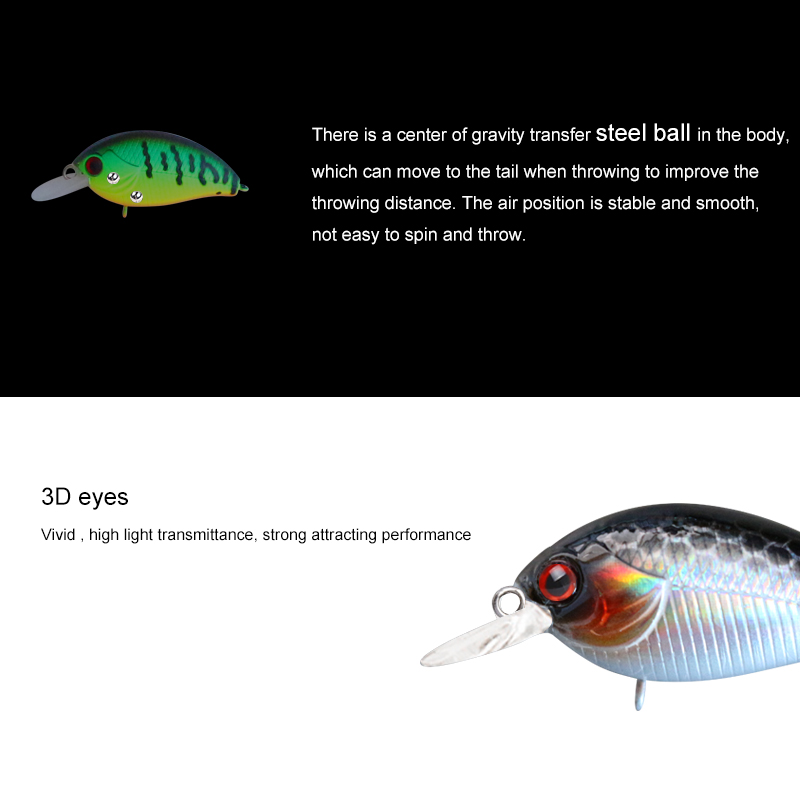
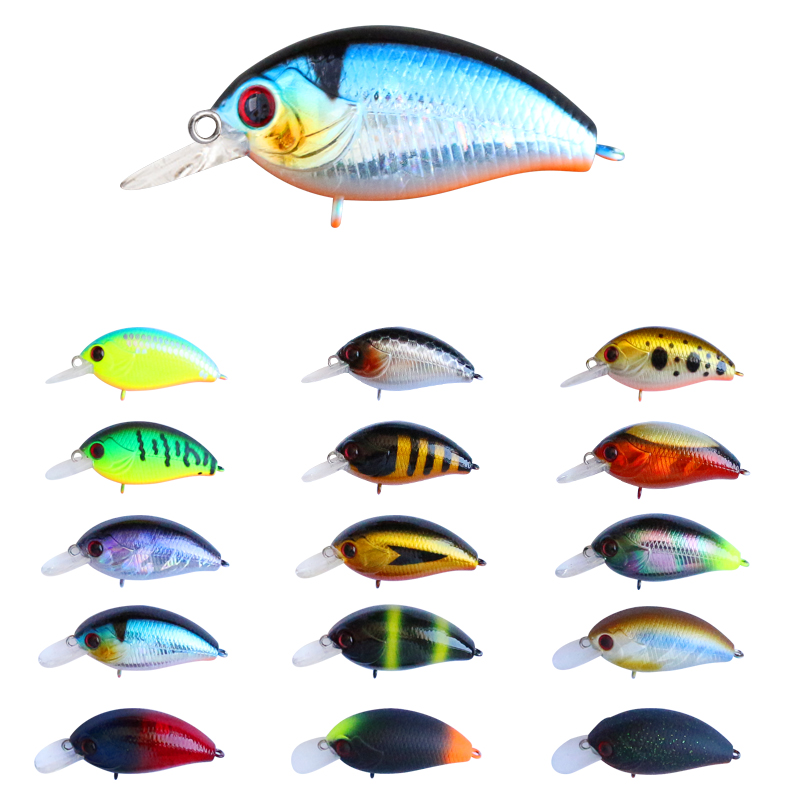
Crankbaits are hard-bodied lures designed to dive and wobble through the water. Their defining feature is a plastic or metal lip that controls diving depth. They come in various types: shallow, medium, deep divers, and lipless crankbaits. Crankbaits imitate baitfish or other prey, triggering strikes by their erratic swimming action. They are effective for bass, walleye, and trout. Anglers use them to cover different water depths and structures quickly. The size and color selection help match local forage, improving success.
Jigs: Targeting Bottom Feeders
Jigs consist of a weighted head and a hook, often dressed with feathers, hair, or soft plastics. Their weight allows them to sink fast and stay near the bottom where many fish feed. Jigs excel at enticing bass, crappie, and walleye. They can be flipped into heavy cover or bounced along the bottom to mimic crawfish or injured prey. Their versatility extends to saltwater fishing for species like flounder. Jigs require a bit of technique but offer great control over lure presentation.
Soft Plastics: Mimicking Live Bait
Soft plastics come in many shapes, sizes, and colors, resembling worms, minnows, crawfish, and more. They offer lifelike movement that appeals to fish. Soft plastics are affordable and versatile, used for bass, trout, and saltwater species. Techniques vary from Texas rigs to drop shots and wacky rigs. Their ability to imitate natural prey closely makes them a staple in many anglers’ tackle boxes. However, they can be fragile and may need frequent replacement.
Spoons: The Classic Choice
Spoons are metal lures shaped like a concave spoon, producing a wobbling and flashing action as they move. This action mimics an injured baitfish, attracting predatory fish. They can be cast or trolled and work well for species including bass, trout, and saltwater gamefish. Spoons are durable and simple, making them a timeless choice. Their versatility allows fishing at various depths and speeds.
Topwater Lures: Surface Action
Topwater lures float and create commotion on the water’s surface, enticing explosive strikes. Varieties include poppers, walkers, buzzbaits, and hollow-body frogs. These lures are exciting to fish because you see the fish strike. They work best in warmer months when fish feed near the surface. Topwater lures target bass, pike, and other predatory fish. They require skillful retrieves like “walking the dog” or popping to mimic struggling prey.
| Fishing Lure Type | Description | Target Species | Best Use Conditions |
| Spinnerbaits | Lures with spinning blades that create vibrations to attract fish. | Bass, Pike, Panfish | Murky or stained water, around vegetation or submerged timber. |
| Crankbaits | Hard-bodied lures designed to dive and wobble through the water, mimicking baitfish. | Bass, Walleye, Trout | Different water depths, varying structure. |
| Jigs | Weighted head with a hook, often dressed with feathers or soft plastics. Used for bottom fishing. | Bass, Crappie, Walleye | Bottom feeders, in heavy cover or around rocks. |
| Soft Plastics | Lifelike lures resembling worms, minnows, or crawfish, often used in various rigging styles. | Bass, Trout, Saltwater Species | Versatile for different species; effective in various rigging techniques. |
| Spoons | Metal lures shaped like a concave spoon, mimicking an injured fish with wobbling and flashing action. | Bass, Trout, Saltwater Gamefish | Cast or trolled, effective at various depths and speeds. |
| Topwater Lures | Floating lures that create surface action, provoking explosive strikes from fish. | Bass, Pike, Predatory Fish | Warmer months, surface fishing, requires skillful retrieves like popping or "walking". |
Choosing the Right Lure for Your Fishing Conditions
Target Species Considerations
Picking the right lure starts with knowing what fish you want to catch. Different fish have different feeding habits and preferred prey. For example, bass often go for soft plastics like worms or crawfish imitations, while trout might prefer smaller, more subtle lures like spinners or flies. Matching your lure to the natural food of your target species increases your chances of a bite. Think about size, color, and movement that resembles what the fish usually eat. This approach, called "matching the hatch," helps your lure look natural and irresistible.
Seasonal Influence on Lure Choice
Fish behavior changes throughout the year, so your lure choice should too. In spring, many fish move shallow to spawn and become more aggressive. Bright, flashy lures or topwater baits can trigger strikes during this time. Summer often pushes fish into deeper, cooler water, so deep-diving crankbaits or jigs work well. Fall sees fish feeding heavily to prepare for winter, making slow-moving lures or soft plastics effective. In winter, fish are less active; smaller, subtle lures that imitate slow prey movements are best. Adjusting your lure to the season matches fish activity and feeding patterns.
Impact of Water Temperature
Water temperature affects fish metabolism and activity. Warm water excites fish; they chase fast-moving lures like spinnerbaits or buzzbaits. Cold water slows fish down, so slow retrieves with finesse lures such as jigs or soft plastics are more productive. Some lures work better in certain temperatures; for example, chatterbaits perform well in warmer water, while suspending jerkbaits are great in cold. Knowing water temperature helps you pick lures that match the fish’s energy level.
Adapting to Water Clarity and Structure
Clear water calls for natural-looking lures with subtle colors to avoid spooking fish. Think soft plastics in greens, browns, or translucent shades. In murky or stained water, brighter colors like chartreuse or white help fish see your lure. Lures with vibration or noise, such as spinnerbaits or rattling crankbaits, also work well in low visibility. Water structure matters too. In heavy cover or around rocks, weedless jigs or frogs avoid snags. Open water lets you use a wider range of lures, including spoons and swimbaits. Adjust your lure based on water clarity and the environment to stay effective.
The Pros and Cons of Using Fishing Lures
Advantages of Fishing Lures
Fishing lures offer several benefits that make them a favorite choice among anglers. One major advantage is their ability to cast farther than live bait. Because lures are often heavier and more aerodynamic, you can reach spots that are tough to access otherwise. They’re also cleaner to handle—no slimy bait or unpleasant smells to deal with. When a fish strikes a lure, it usually bites the hook in the mouth, making catch-and-release easier and less harmful to the fish.
Lures give anglers more control over the species targeted. You can select a lure that mimics the specific prey of your desired fish, increasing your chances of success. Switching lures is quick and simple, allowing you to adapt fast to changing conditions or fish behavior. Plus, lures are reusable, saving money over time compared to constantly buying live bait.
Challenges and Drawbacks
Despite their perks, fishing lures come with some downsides. They tend to be more expensive upfront than live bait. Losing a lure to snags or underwater obstacles can hurt your wallet. Lures also require skill to use effectively. Some types have specific techniques that beginners might find hard to master.
In waters where fish are less active, especially cold environments, lures can be less effective than live bait. Fish may not chase lures aggressively when their metabolism slows down. Additionally, lures often get snagged on rocks, weeds, or submerged wood, which can be frustrating and costly.
Comparing Lures to Live Bait
Live bait has its own strengths, mainly its natural scent and movement that attract fish instinctively. It’s often easier for novices to use since it doesn’t require special retrieval techniques. However, live bait can be messy, spoil quickly, and may not be available year-round.
Lures shine in versatility and convenience. They work well in many conditions and allow for targeting specific fish species. While live bait might catch more fish in some cases, lures provide a cleaner, more controlled fishing experience. Many anglers prefer lures for the excitement of enticing fish to strike an artificial prey.
Expert Tips for Using Fishing Lures Effectively
Techniques for Different Lure Types
Each type of fishing lure requires a unique approach to maximize its effectiveness. Spinnerbaits, for example, are best retrieved steadily to keep their blades spinning and creating vibrations that attract fish. You can vary the speed to trigger reaction strikes. Crankbaits benefit from a stop-and-go retrieve, mimicking injured baitfish. Jigs work well when bounced or hopped along the bottom, enticing bottom feeders. Soft plastics shine when rigged properly—Texas rigs allow weedless presentations, while wacky rigs offer enticing fall action. Spoons require a steady or erratic retrieve to showcase their wobbling action. Topwater lures demand skillful manipulation, like “walking the dog” for walkers or popping for poppers, to provoke explosive surface strikes.
Common Mistakes to Avoid
Many anglers struggle with lure fishing due to common errors. One is using the wrong retrieve speed; too fast or too slow can reduce strikes. Another is neglecting to match lure size and color to local forage, which can spook fish or fail to attract them. Overworking a lure, such as jerking it too aggressively or too often, may also deter bites. Failing to change lures when conditions or fish behavior shift is a missed opportunity. Additionally, improper rigging or using dull hooks can lead to lost fish. Avoiding these mistakes increases your chances of success.
Advanced Strategies for Experienced Anglers
Experienced anglers often employ nuanced tactics to outsmart fish. They adjust retrieve speed and cadence based on fish activity and water conditions. Using subtle pauses or twitches can imitate injured prey and trigger strikes. Combining lure types, like adding soft plastic trailers to chatterbaits or spinnerbaits, enhances action and appeal. Fishing different depths by varying lure type or adding weights helps find where fish are holding. Experienced anglers also read water structure and weather patterns to select lures that match fish mood and location. Mastering these strategies requires practice but pays dividends in catch rates.
Conclusion: Mastering the Art of Fishing with Lures
Fishing lures are favored for their effectiveness, versatility, and ease of use, appealing to anglers of all skill levels. They offer benefits like casting range, cleanliness, and targeted species control, although they do require practice to master. Anglers are encouraged to explore various lure types and techniques to enhance their fishing experience. Future trends in lure technology promise even more lifelike and durable options. Huayue Sports provides high-quality fishing lures that deliver exceptional value and performance for anglers worldwide.
FAQ
Q: What is a Fishing Lure?
A: A fishing lure is an artificial bait designed to mimic prey and attract fish, often used by anglers to increase catch rates.
Q: How do Fishing Lures work?
A: Fishing lures work by imitating the movement, color, and vibration of natural prey, enticing fish to strike.
Q: Why are soft plastics popular Fishing Lures?
A: Soft plastics are popular due to their lifelike action, versatility, and effectiveness in attracting various fish species.
Q: What is the cost of a typical Fishing Lure?
A: The cost of a fishing lure varies, typically ranging from a few dollars to over twenty, depending on type and quality.
Q: How do I choose the right Fishing Lure for different conditions?
A: Choose based on target species, water clarity, depth, and seasonal fish behavior to maximize effectiveness.

