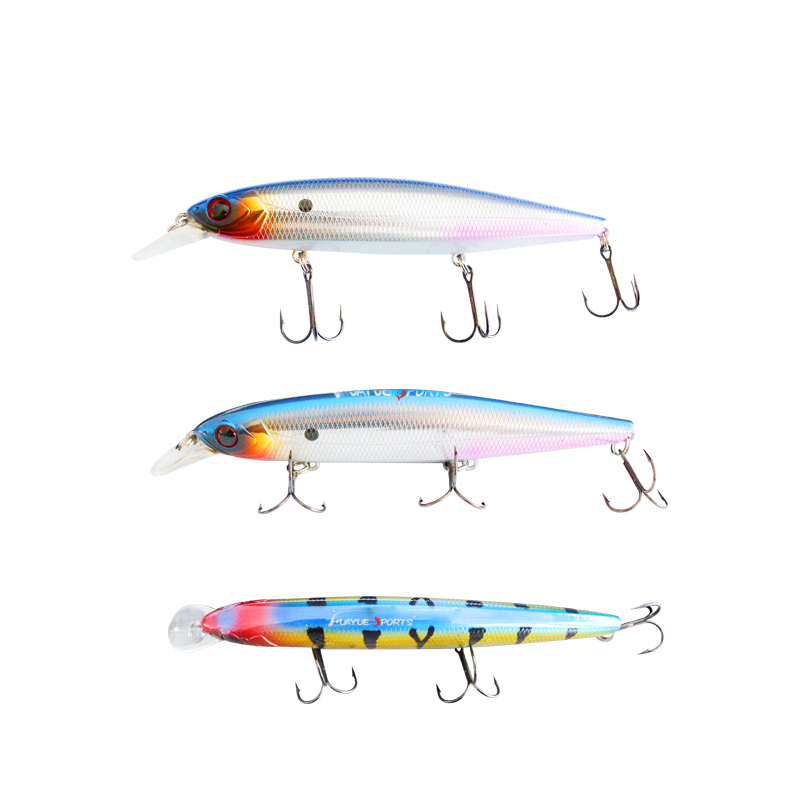
Ever wondered why some anglers always catch fish while others struggle? The secret often lies in the fishing lure choice. Understanding the importance of fishing lures can transform your fishing experience from frustrating to fruitful. In this post, you'll learn why choosing the right lure matters and explore an overview of different types of fishing lures perfect for beginners.
Top Water Lures for Beginners
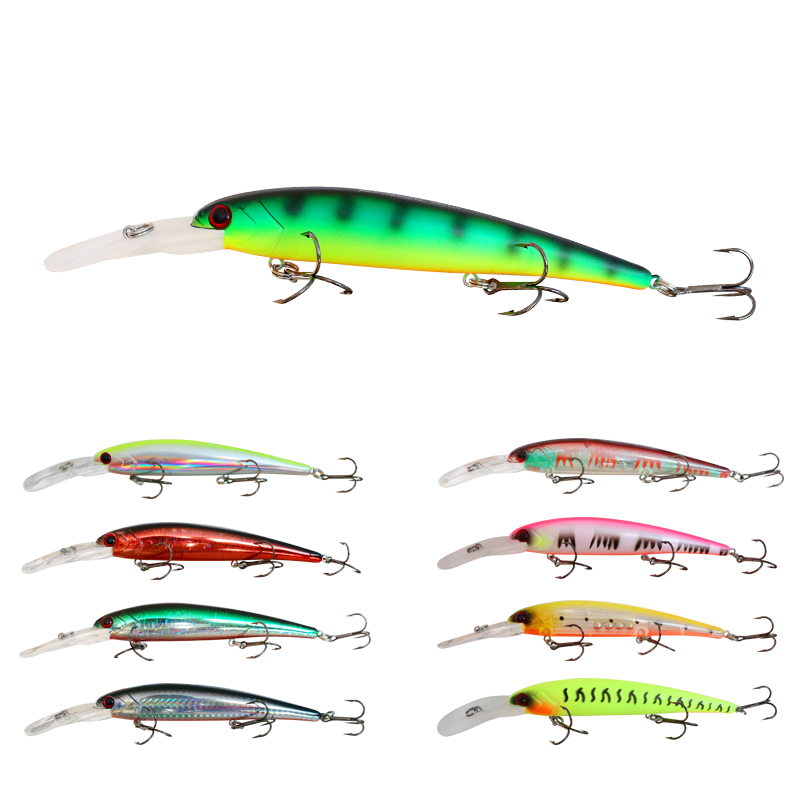
When starting out, top water lures offer some of the most thrilling fishing experiences. They float on the surface, creating splashes and noise that attract fish, making bites easy to spot. Let’s explore three beginner-friendly types: buzzbaits, poppers, and frog lures.
Buzzbaits: Easy and Exciting
Buzzbaits are perfect for beginners because they’re simple to use and create lots of action. They have one or two spinning blades that buzz and splash on the water’s surface when you reel them in steadily. This noise draws fish, especially bass, from a distance.
| How to use | Cast out and reel in at a steady pace. |
| Why it’s good for beginners | No fancy techniques needed. The bite is obvious—a loud splash or sudden stop. |
| Best conditions | Warm water, especially in spring through fall, and early morning or late evening. |
Buzzbaits work well around weeds or cover since their single hook and design reduce snags. They offer exciting surface strikes that can make fishing memorable for new anglers.
Poppers: Learning Cadence
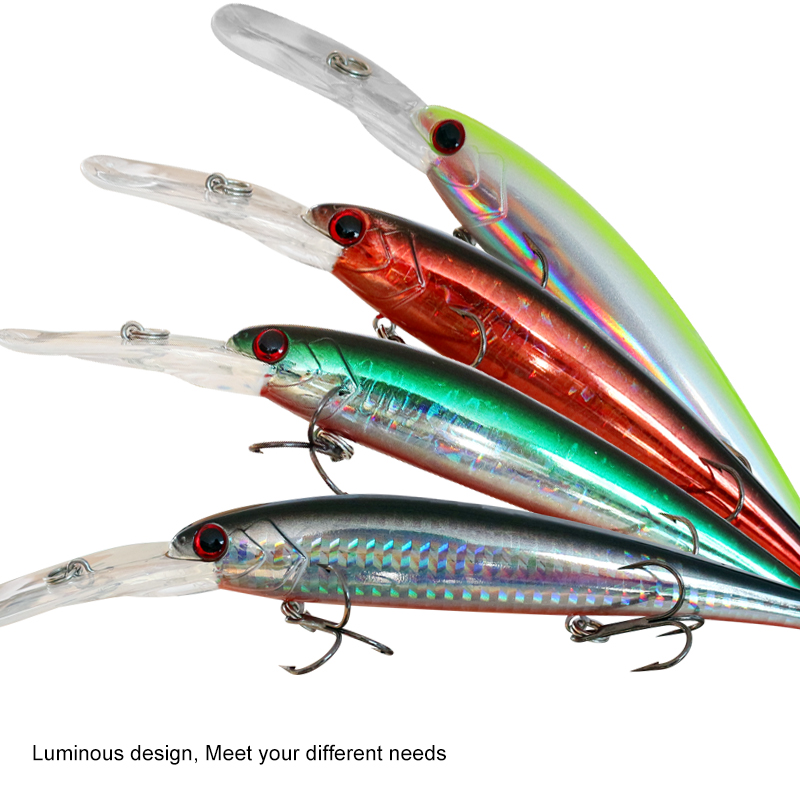
Poppers are floating lures with a concave face that makes a popping sound when you twitch your rod tip. This noise mimics struggling prey, attracting fish to strike.
How to use: Cast out, then twitch your rod tip to make the lure “pop” on the surface. Vary the speed and pause length.
Why it’s good for beginners: Helps develop a sense of rhythm or “cadence,” which is useful for many lures.
Best conditions: Calm water during early morning or late evening.
Using poppers teaches beginners how to control lure action and pace, skills transferable to other fishing techniques. The excitement of seeing a fish explode on the surface adds to the fun.
Frog Lures: Weedless and Effective
Frog lures imitate real frogs and are designed to be fished in heavy vegetation without snagging. Their soft bodies and weedless hooks allow you to cast into thick grass or lily pads where fish often hide.
How to use: Cast near or into cover and retrieve with short twitches or steady pulls.
Why it’s good for beginners: Easy to fish in areas where other lures get stuck.
Best conditions: Warm months, especially in ponds or lakes with lots of vegetation.
Frog lures provide an excellent way for beginners to explore fishing in challenging spots, increasing chances of catching fish hiding in cover.
Tip: When using top water lures like buzzbaits or poppers, always watch your line closely for subtle movements indicating a bite, so you can set the hook quickly and increase your catch rate.
Middle Water Column Lures: Versatility and Effectiveness
Middle water column lures are a fantastic choice for beginners because they offer versatility and tend to attract a wide range of fish. These lures swim beneath the surface but above the bottom, mimicking baitfish or other prey moving through the water. Let’s explore three beginner-friendly types: spinnerbaits, crankbaits, and jerkbaits.
Spinnerbaits: Simple and Productive
Spinnerbaits are among the easiest lures to use. They consist of a weighted head with one or two spinning blades that flash and vibrate as you reel them in. This action imitates fleeing baitfish and draws fish from a distance.
How to use: Cast out and retrieve steadily to keep the blades spinning.
Why it’s good for beginners: No complicated technique needed; a straightforward cast and steady reel often triggers bites.
Best conditions: Shallow to mid-depth waters, especially near weeds, wood, or rocky cover.
Spinnerbaits are also somewhat weed-resistant thanks to their design, making them great for fishing near cover without getting snagged. They work well throughout the year and can catch bass and other predatory fish.
Crankbaits: Covering Different Depths
Crankbaits come in various shapes and sizes, often with a plastic lip that causes the lure to dive to certain depths when retrieved. They imitate small fish swimming through the water column.
How to use: Cast out, let the lure dive to its designated depth, then reel in steadily. Vary speed or add pauses to entice strikes.
Why it’s good for beginners: They cover more water and depths, helping novices find where fish are holding.
Best conditions: Use shallow-diving crankbaits in warmer months and deeper-diving ones to reach fish holding at depth.
Crankbaits help beginners learn how to control lure depth and speed, skills useful for many fishing situations.
Jerkbaits: Enticing with Pauses
Jerkbaits are slender, minnow-shaped lures designed to suspend or slowly sink in the water. They require a jerking motion of the rod to make the lure dart erratically, then pause in place.
How to use: Cast, then use a series of jerks and pauses during retrieval to imitate an injured baitfish.
Why it’s good for beginners: Encourages learning rhythm and timing, improving lure control.
Best conditions: Clear water and cooler temperatures when fish are more cautious.
The pause is key with jerkbaits—it often triggers strikes from following fish. Although they require a bit more practice, they’re rewarding for beginners ready to step up their skills.
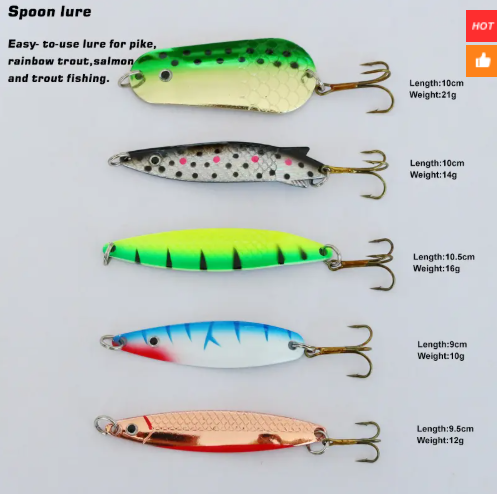
Bottom Baits: Mastering Depth Fishing
Fishing near the bottom requires a different set of lures that imitate creatures living or moving close to the lake or riverbed. These baits help you reach fish hiding deep or lurking near structures. Let’s look at three beginner-friendly bottom baits: Texas rig, jigs, and soft plastics.
Texas Rig: Avoiding Snags
The Texas rig is a popular and simple way to fish soft plastic baits near the bottom without constantly getting snagged. It uses a special hook that hides inside the bait, making it weedless and perfect for fishing in heavy cover like weeds, rocks, or fallen timber.
How to use: Rig a soft plastic worm or creature bait on the Texas rig hook, burying the point to avoid snags. Cast near cover and slowly drag or hop the bait along the bottom.
Why it’s good for beginners: It reduces frustrating snags and allows you to fish confidently in places where fish often hide.
Best conditions: Useful year-round, especially in areas with lots of underwater vegetation or structure.
The Texas rig teaches beginners how to feel the bottom and detect subtle bites, an important skill for bottom fishing.
Jigs: Versatile and Effective
Jigs are weighted hooks often paired with soft plastic trailers that mimic crawfish, worms, or small fish. They can be bounced, dragged, or swum near the bottom, making them highly versatile.
How to use: Cast out and let the jig sink to the bottom. Use a lift-and-drop motion or a slow crawl to imitate natural prey.
Why it’s good for beginners: Jigs are easy to control and can be fished in many ways, offering a chance to experiment and learn.
Best conditions: Excellent in colder water or when fish are less active, as the slow, subtle action entices bites.
Jigs also work well around rocks, docks, and other structures where fish like to hide.
Soft Plastics: Subtle and Natural
Soft plastics include worms, craws, and other creatures made from flexible material that moves naturally in water. They can be rigged in different ways, including the Texas rig or on jig heads.
How to use: Choose a soft plastic bait and rig it appropriately. Fish it slowly near the bottom, using gentle twitches or dragging it to mimic natural movement.
Why it’s good for beginners: Soft plastics are forgiving and versatile, great for learning how to present bait naturally.
Best conditions: Ideal in clear water or when fish are wary, as the subtle action looks realistic.
Soft plastics come in many shapes and colors, allowing beginners to try different options to find what works best.
Choosing the Right Lure for Water Conditions
Selecting the right fishing lure depends heavily on the water conditions. Understanding how factors like water clarity, river speed, and weather affect lure choice can make fishing easier and more successful for beginners.
Water Clarity: Natural vs. Bright Colors
Water clarity plays a big role in lure visibility. In clear water, fish can see lures from farther away, so natural colors that mimic real baitfish work best. Shades like silver, brown, green, or translucent patterns help the lure blend in and appear realistic. For example, a soft plastic worm in green pumpkin or a crankbait with natural fish patterns will attract cautious fish.
In murky or stained water, bright or contrasting colors stand out better. Chartreuse, bright orange, or white lures catch the eye through the cloudiness. These colors create a strong silhouette and help fish locate the lure quickly. Using a spinnerbait with flashy blades or a brightly colored frog lure can be effective in these conditions.
River Speed and Characteristics: Adapting Your Lure Choice
The speed and flow of a river influence how you fish and which lures work best. Fast-flowing water requires heavier lures that stay near the bottom or in the strike zone without getting swept away. Metal spinners or heavier jigs work well here because they cut through the current and maintain action.
Slow-moving pools or eddies offer calmer water where lighter lures can be used. Floating topwater lures like poppers or buzzbaits excel in these spots. You can use slower retrieves and more subtle actions to entice fish. In wide rivers, heavier lures help cover more water and reach deeper areas.
The river’s shape also matters. Narrow, rocky sections may call for smaller, more precise lures, while open areas allow for bigger, flashier baits.
Weather and Time of Day: Adjusting Techniques
Weather conditions and the time of day affect fish behavior and lure effectiveness. On bright, sunny days, fish tend to be less active and more cautious. Using natural-colored lures and slower retrieves helps avoid spooking them. Early morning and late evening, when light is low, are great times for topwater lures like buzzbaits or frogs because fish feed near the surface.
Cloudy or rainy weather often triggers more aggressive feeding. Fish are less wary, so brighter colors and faster retrieves can provoke strikes. Overcast days are perfect for spinnerbaits or crankbaits fished with occasional pauses.
Wind can also impact lure choice. Choppy water makes it harder to see subtle lures, so using noisy or vibrating lures like spinnerbaits helps fish locate your bait.
Species-Specific Lure Selection
Choosing the right lure often depends on the type of fish you want to catch. Different species respond better to certain lures due to their feeding habits and habitats. Let’s look at some popular fish and the best beginner-friendly lures to target them.
Lures for Bass: Top Picks
Bass are among the most popular freshwater game fish and offer an exciting challenge for beginners. They respond well to a variety of lures, but some stand out for ease of use and effectiveness.
Spinnerbaits: These are great for bass because they flash and vibrate, attracting fish from a distance. Their weed-resistant design helps beginners fish near cover without snagging.
Texas Rigged Soft Plastics: Rigging a soft plastic worm or creature bait Texas style helps avoid snags and presents a natural look. It’s perfect for fishing near weeds or submerged timber where bass hide.
Buzzbaits: Topwater buzzbaits create noise and surface commotion that can trigger explosive strikes. They’re simple to use and visually exciting, making them ideal for beginners.
Crankbaits: These cover different depths, helping beginners find where bass are holding. Smaller crankbaits work well with lighter gear and offer good bite rates.
Starting with these lures helps new anglers build confidence and understand bass behavior.
Trout Fishing Lures: What Works Best
Trout are often found in clearer, cooler waters and can be more selective. Beginners should focus on lures that mimic small baitfish or insects.
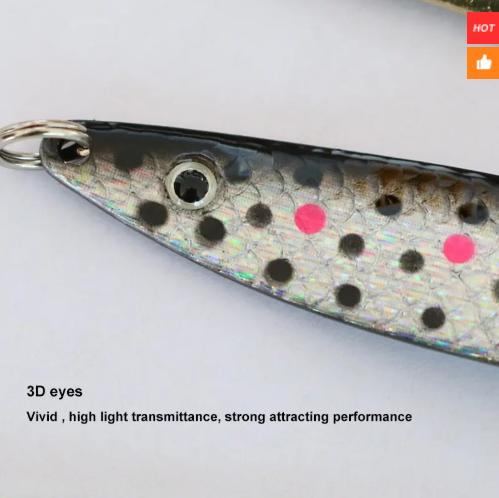
Small Spinners and Spoons: Lightweight spinners and spoons imitate small fish and create flash and vibration that attract trout. They’re easy to cast and retrieve steadily.
Soft Plastics: Tiny worms or grubs rigged on light jig heads work well, especially in streams or lakes with slower currents.
Poppers and Small Topwaters: In calm water, small poppers can entice trout to strike on the surface, especially during low light periods.
Natural Colors: Trout respond better to lures with natural colors like brown, olive, or silver, especially in clear water.
Using subtle, natural presentations helps beginners avoid spooking trout and increases catch chances.
Adapting Lure Choice for Different Fish
Every species has unique habits, so adapting your lure choice is key. Here are some tips:
Pike and Musky: These aggressive predators like larger, flashy lures such as big spinnerbaits and large crankbaits. Weedless frogs also work well in heavy cover.
Panfish: Small jigs tipped with soft plastics or live bait imitate the tiny prey panfish feed on. Light tackle and small lures increase success.
Catfish: Though they often feed on natural bait, catfish can be caught using stink baits or soft plastic baits rigged on the bottom.
Beginners should research the local species and try different lures to see what works best in their fishing area.
Tips for Beginner Anglers Using Fishing Lures
Understanding Lure Action
Knowing how a lure moves in water is key for success. Each lure type creates a distinct action that mimics prey behavior. For example, buzzbaits buzz and splash on the surface, spinnerbaits flash and vibrate, and soft plastics wiggle naturally. Watching how your lure behaves helps you adjust your retrieve speed and style to attract fish better. Beginners should practice different retrieve rhythms—steady, twitching, or pausing—to see what triggers strikes. This trial and error builds intuition and confidence.
How to Rig and Cast Effectively
Proper rigging ensures lures work as intended and reduces snags. For soft plastics, the Texas rig hides the hook point inside the bait, making it weedless and easier to fish near cover. Spinnerbaits and buzzbaits come mostly pre-rigged, so beginners can focus on casting and retrieving. When casting, aim for spots near structure or cover where fish hide. Use smooth, controlled casts to avoid tangles. After the cast, start your retrieve immediately for topwater lures, or let crankbaits dive before reeling. Consistent practice improves accuracy and distance.
Common Mistakes to Avoid
Beginners often make a few mistakes that can cost bites:
Retrieving too fast or too slow: Fish respond differently depending on conditions. Vary your speed and pauses to find what works.
Ignoring line tension: Keep your line tight enough to feel bites but not so tight that it snaps or pulls the lure off course.
Not watching the lure: Especially for topwater lures, bites can be subtle. Watch your line and lure closely.
Using the wrong lure for conditions: Bright colors in clear water or light lures in strong currents reduce effectiveness.
Overcomplicating techniques: Start simple with steady retrieves before trying complex actions.
Avoiding these helps beginners catch more fish and enjoy their time on the water.
Conclusion: Starting Your Fishing Adventure
Buzzbaits, poppers, and frog lures offer beginners thrilling fishing experiences. These lures are easy to use and effective in attracting fish. Beginners should practice different techniques and adapt to water conditions for success. Starting with simple lures builds confidence. As you embark on your fishing journey, consider exploring products from Huayue Sports. Their range of beginner-friendly lures provides excellent value, helping you enjoy and succeed in your fishing adventures.
FAQ
Q: What is a Fishing Lure?
A: A fishing lure is an artificial bait designed to attract fish by mimicking their prey's appearance and movements.
Q: How do I use a top water Fishing Lure?
A: Cast the lure out and retrieve it steadily or with twitches to create surface action that attracts fish.
Q: Why are buzzbaits good Fishing Lures for beginners?
A: Buzzbaits are simple to use, create noise that attracts fish, and are effective in warm water conditions.
Q: What are the benefits of using spinnerbaits as Fishing Lures?
A: Spinnerbaits are easy to use, attract fish with their flash and vibration, and are somewhat weed-resistant.

