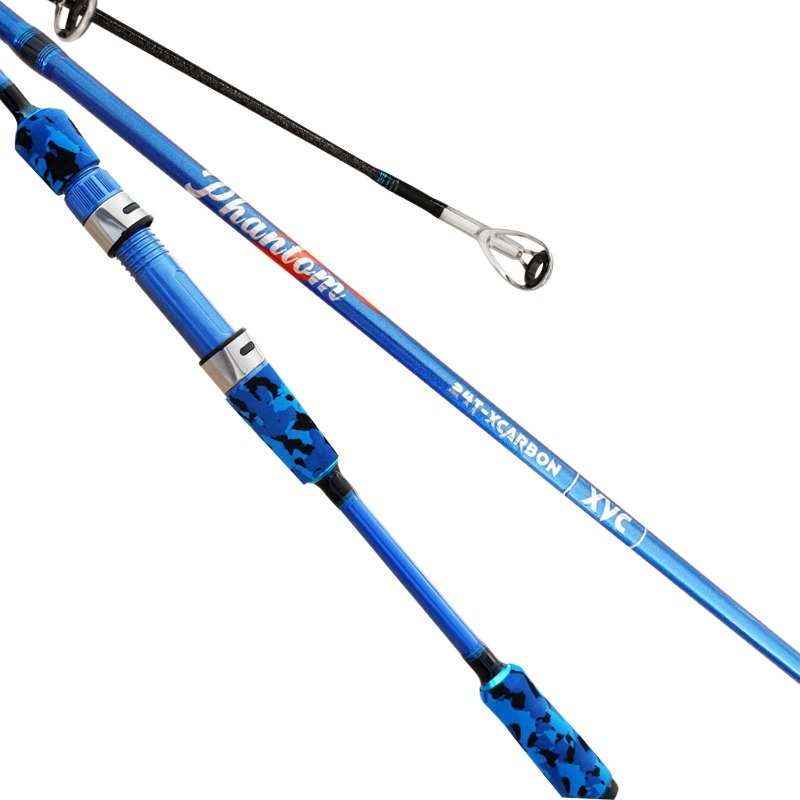
A fishing rod is more than just a tool; it’s an extension of a fisherman's hand, an engineered piece of equipment designed to connect human intuition with the unpredictable rhythms of nature. But what exactly is a fishing rod, and why does it hold such a revered place in both recreational and professional fishing?
What Is a Fishing Rod, Technically?
At its core, a fishing rod is a long, flexible pole used to catch fish, typically equipped with a reel and fishing line. It serves as the intermediary between the angler and the fish, offering both reach and precision. Fishing rods are usually made from lightweight yet durable materials like fiberglass, carbon fiber, or composite blends. Their primary job is to cast the line and lure far into the water, provide sensitivity to detect fish bites, and offer strength and flexibility for reeling in the catch.
Modern fishing rods come in various lengths, strengths, and actions to suit specific environments and fishing styles—whether in freshwater, saltwater, lakes, rivers, or oceans.
Components of a Fishing Rod
Fishing rods are made up of several essential components, each contributing to its functionality and overall performance:
| Component | Function |
| Rod Blank | The main shaft of the rod, which bends and transmits sensitivity |
| Handle/Grip | Where the angler holds the rod; often made of cork or EVA foam |
| Reel Seat | Holds the reel in place securely |
| Guides | Small rings that guide the fishing line along the rod |
| Tip | The thinnest and most sensitive part of the rod, detecting subtle bites |
Each of these parts plays a critical role in casting accuracy, control, and the ability to land a fish without breaking the line or the rod itself.
Types of Fishing Rods and Their Uses
There are several distinct types of fishing rods, each tailored for specific environments and techniques. Knowing which one to use can significantly improve your success on the water.
Spinning Rods
Spinning rods are versatile, easy to use, and ideal for beginners. The reel is mounted underneath the rod, and they excel at casting light lures for small to medium-sized fish.
Casting Rods
Casting rods, or baitcasting rods, offer more control and accuracy. They are preferred for heavier lures and are commonly used in bass fishing.
Fly Rods
Fly rods are long and lightweight, designed specifically for fly fishing. They rely on the weight of the line rather than the lure, ideal for catching trout and salmon in rivers and streams.
Surf Rods
Built for long-distance casting, surf rods are designed to fish from shorelines. They are longer and more powerful to deal with ocean currents and larger saltwater species.
Ice Fishing Rods
Short and robust, ice fishing rods are crafted to fish through holes in frozen lakes. Despite their small size, they are strong and sensitive.
How to Choose the Right Fishing Rod
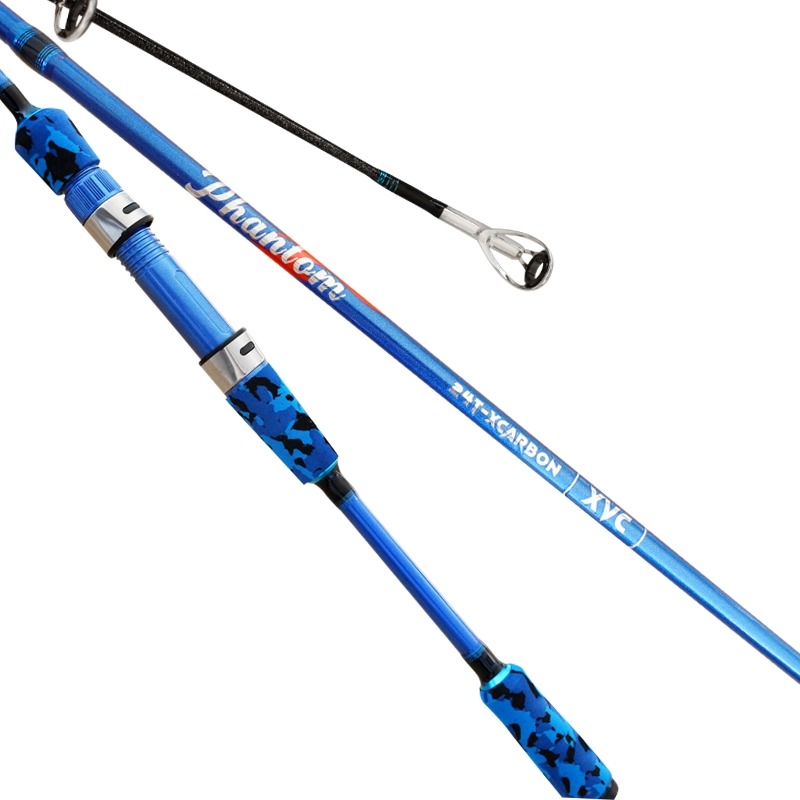
Choosing the right fishing rod depends on several factors, including your skill level, target fish species, water type, and preferred fishing technique. Here’s a quick guide to help:
| Fishing Environment | Recommended Rod Type | Target Fish |
| Freshwater Lakes | Spinning or Casting Rod | Bass, Trout, Perch |
| Rivers | Fly Rod or Spinning Rod | Salmon, Carp, Catfish |
| Saltwater (Shore) | Surf Rod | Snapper, Bluefish, Mackerel |
| Offshore (Boat) | Casting Rod or Trolling Rod | Tuna, Marlin, Grouper |
| Ice Fishing | Ice Fishing Rod | Walleye, Pike, Crappie |
Always consider the rod power (strength) and action (flexibility) when making a selection. A fast-action, medium-power rod is a good general-purpose option for many anglers.
Frequently Asked Questions (FAQ)
What is the ideal length of a fishing rod?
The ideal length depends on your fishing style. Shorter rods (5–6 feet) offer better control, while longer rods (7–12 feet) allow for greater casting distance. For most freshwater fishing, a rod between 6’6” and 7’ is ideal.
How does the action of a rod affect performance?
Rod action refers to where the rod bends under pressure. Fast action bends near the tip and provides quick hook-setting power, while slow action bends throughout and offers more flexibility. Choose based on whether you're aiming for sensitivity or power.
Can a fishing rod be used for both freshwater and saltwater?
Technically, yes—but it's best to use a rod specifically designed for your environment. Saltwater rods are usually more corrosion-resistant and built to withstand stronger fish.
How often should I maintain or replace my fishing rod?
With proper maintenance, a good fishing rod can last for years. Clean it after each use, especially after saltwater fishing. Replace components like guides or the reel seat as needed.
The Evolution and History of Fishing Rods
The concept of the fishing rod dates back thousands of years. Ancient Egyptians and Chinese are believed to have used bamboo rods with rudimentary lines and hooks as early as 2000 B.C. Over time, materials evolved from solid woods like ash or hickory to split bamboo in the 19th century, and eventually to modern fiberglass and carbon fiber.
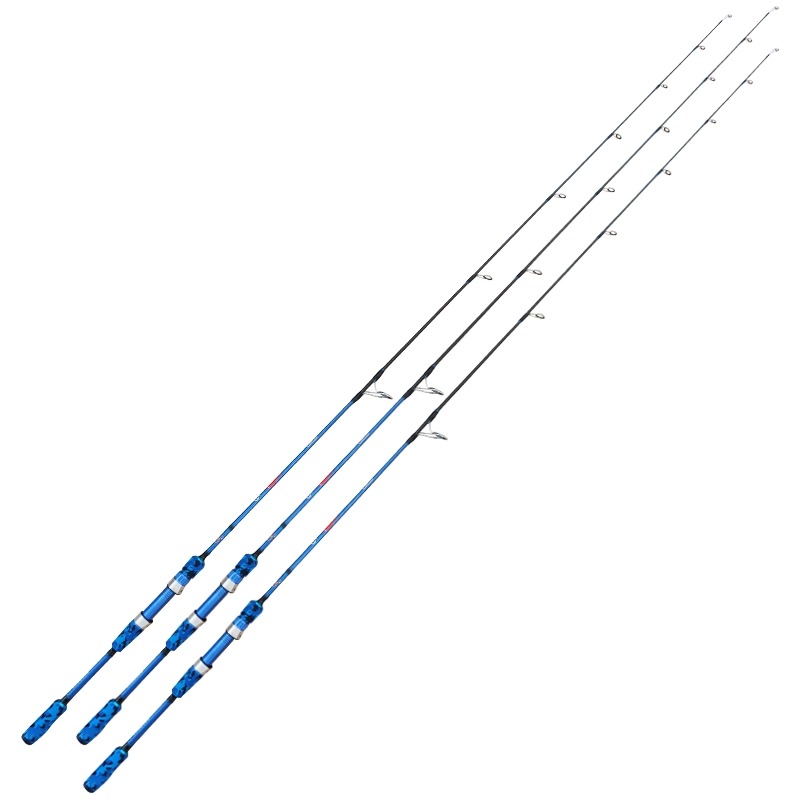
Today’s fishing rods are marvels of precision engineering. Manufacturers invest heavily in ergonomics, sensitivity, durability, and casting performance. Yet, despite technological advancements, the essence of angling—patience, skill, and respect for nature—remains unchanged.
Conclusion
The fishing rod is not just a piece of sporting equipment; it is a tool of exploration and patience. Whether you’re angling in a quiet stream, battling a marlin offshore, or simply casting from a dock at sunrise, the fishing rod serves as your trusted companion. It turns a quiet pastime into a thrilling experience, and a simple hobby into a lifelong passion.

