Picture sitting on a frozen lake, marking a massive school of crappie on your sonar. You drop your bait, only to watch them immediately scatter. This frustrating scenario often stems directly from your reel choice rather than your lure selection.
Traditional spinning reels create intense line memory and line twist in sub-zero temperatures. This stored tension causes lightweight tungsten jigs to spin unnaturally underwater. Spinning baits instantly spook highly pressured winter fish. They inspect baits closely before biting.
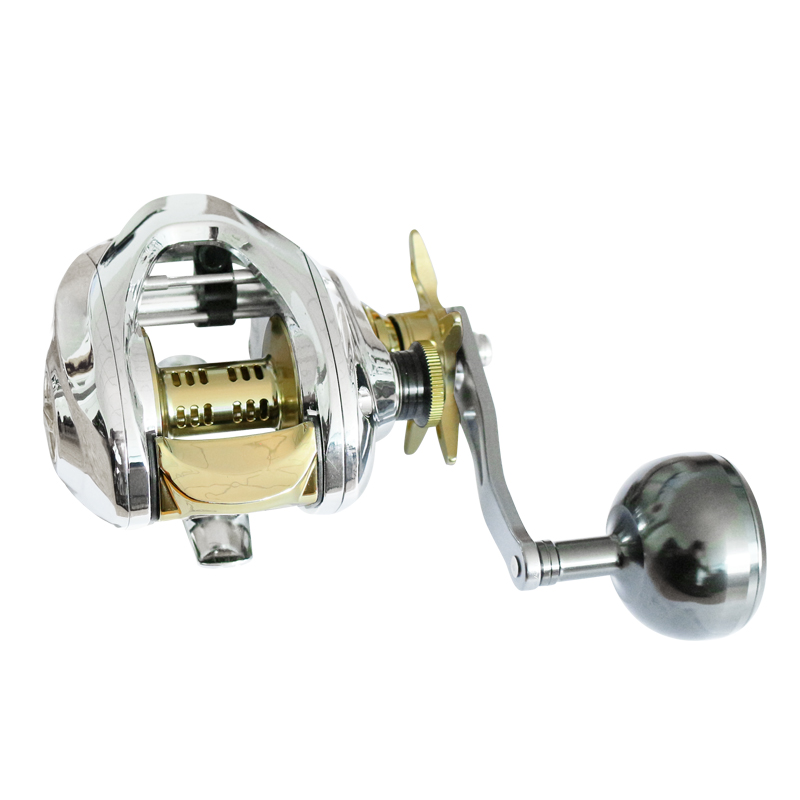
An inline ice fishing reel emerged as a specialized tool to eliminate this exact line twist issue. They guarantee a perfectly natural lure presentation. However, they require a specific tradeoff in retrieval speed and overall versatility. We will provide a hype-free, technical evaluation comparing inline models versus traditional spinning reels. You can then determine if this investment perfectly aligns your target species, typical water depth, and personal fishing style.
Key Takeaways
Design: Inline reels feed line straight off the spool—much like an automatic fly fishing reel—virtually eliminating line twist and memory.
Primary Advantage: Unmatched drop-speed control and natural, spin-free presentation for micro-jigs in high-pressure scenarios.
Primary Limitation: Slower retrieval rates (averaging 2.7:1) and less robust drag systems make them suboptimal for deep water (20+ feet) or large predatory fish.
ROI Consideration: Inline reels are winter-specific specialty tools, whereas spinning reels offer year-round utility.
How an Inline Ice Fishing Reel Actually Works
Understanding the mechanical foundation of this tool helps explain its rising popularity among hard-water anglers. You must look past the external casing to see the true benefits.
Mechanical Architecture
The reel operates on a highly efficient direct-feed system. You might compare its fundamental geometry to a centerpin or an automatic fly fishing reel. The line unspools in a perfectly straight path directly through the rod guides. It never passes over a restrictive 90-degree bail roller. This straight-line deployment removes the primary mechanical cause of twisted monofilament.
Larger Arbor Design
Manufacturers design these reels utilizing an oversized center spool. This large arbor physically prevents monofilament or fluorocarbon lines from tightly coiling around a tiny spindle. Ice anglers frequently battle the cold-weather "spring" effect. Cold temperatures cause standard lines to stiffen and remember their coiled shape. A larger arbor essentially forces the line to lay in gentler loops. It drops straight down the ice hole smoothly.
Simplified Internals
Engineers purposefully stripped out complex oscillating gears. They also removed heavy bail mechanisms. Fewer moving parts directly reduce mechanical failure points. Exposed freezing moisture easily seizes complex internal gears. Simplifying the internals also reduces the overall physical footprint. The average weight drops significantly. Most models weigh around 6.6oz. Traditional spinning reels generally tip the scales between 8 and 10oz.
The Real-World Pros and Cons (No Marketing Fluff)
Every piece of fishing gear carries specific compromises. We must evaluate these tools based on actual ice-bound performance rather than showroom promises.
Where Inline Reels Excel (Pros)
Zero Line Twist: The straight deployment keeps micro-jigs completely static in the water column. Sizes ranging from 1/64oz to 1/8oz will not rotate. Natural prey does not spin like a top.
Precision Depth Control: Anglers utilize the "free-spool" functionality to their immense advantage. You can stop a falling jig on a dime. This proves invaluable when marking suspended fish on a flasher or sonar screen.
High-Sensitivity: Straight-line tension transfers the lightest bite variations directly to the rod tip. You never lose bite detection through coiled slack.
Where Inline Reels Struggle (Cons & Risks)
Slow Retrieval Ratios: Most models typically max out around a 2.7:1 gear ratio. A standard spinning reel easily hits 4.2:1 or higher. Bringing fish up from deep water becomes an exhausting chore.
Drag Limitations: Entry-level drag systems often utilize basic Teflon washers. They can feel uncomfortably "sticky." Many perform in an unpredictable on/off manner. They simply lack the multi-washer buttery smoothness expected from quality spinning reels.
The Freeze Factor: Manufacturers build these tools utilizing incredibly tight tolerances around the line guide and spool edges. They can easily freeze up. Hole-hopping outdoors in extreme sub-zero conditions without a heated shelter invites ice accumulation.
The Skeptic’s Alternative: Do You Actually Need One?
Many anglers hesitate before purchasing entirely new reel ecosystems. You should critically analyze your personal needs before upgrading your arsenal.
The Cost vs. Utility Debate
High-end trigger models require a significant upfront financial commitment. You are purchasing a hyper-specialized tool. You cannot realistically use it for open-water casting in the summer. Budget-conscious anglers frequently question buying gear restricted to a short three-month season.
The Traditionalist Workaround
Many veteran anglers completely reject new trends. They achieve a relatively spin-free presentation by simply modifying their existing spinning setups. They tie a high-quality micro barrel swivel into their line. Using a SPRO size 10 or 12 swivel placed 18 inches above the jig helps absorb the rotation. This trick disperses the twist before it reaches the lure.
The Verdict
The barrel swivel method works quite well for casual angling. You will catch aggressive fish. However, hyper-pressured, clear-water panfish inspect baits relentlessly. They notice heavy swivels. They sense minor unnatural movements. For these highly educated fish, the direct mechanical solution remains superior.
Inline vs. Spinning Reel: The Setup Evaluation Matrix
We created a comprehensive comparison chart below. It helps you quickly identify the proper tool based on biological and environmental variables.
Evaluation Criteria | Inline Reel Performance | Spinning Reel Performance |
Target Species: Panfish (Bluegill/Crappie) | Dominates. Perfect for 2–4 lb fluorocarbon and micro-tungsten baits. | Adequate, but induces line spin on micro-jigs. |
Target Species: Walleye | Situational. Great for shallow, finesse jigging techniques. | Superior. Excels at aggressively working heavy rattle baits. |
Target Species: Lake Trout / Northern Pike | Suboptimal. Weak drag and low line capacity cause lost fish. | Dominates. Provides heavy drag pressure and fast retrieval. |
Water Depth: Under 20 Feet | Territory owned by this style. Drop speeds remain manageable. | Works fine, but lacks precision free-spool control. |
Water Depth: Over 20 Feet | Takes too long to drop and retrieve. Anglers lose fishing time. | Territory owned by this style. Fast gear ratios shine here. |
Environment: Heated Shanty / Hub Tent | Flawless operation. Zero risk of tight tolerances freezing up. | Excellent operation. No weather-related issues. |
Environment: Extreme Cold Hole-Hopping | High risk of freezing. Spool edges ice up quickly in wind. | More durable against ice accumulation. Wider clearances help. |
Hardware Breakdown: Manual vs. Trigger Systems
Once you decide to purchase one, you must choose between two distinct operational styles. Both designs accomplish the same goal but utilize entirely different ergonomics.
Manual Inline Reels
The manual style represents the original, simplistic design. It requires the angler to physically pull the line off the spool by hand to drop the bait. You manually feed the line down the hole.
This design fits specific scenarios perfectly. It works best for very shallow water under 12 feet. It suits extreme budgets perfectly. Anglers also prefer manual systems for simplistic "set line" applications. You simply drop the bait, set the rod on a bucket, and wait for a strike.
Trigger (Freefall) Systems
Modern engineering introduced the freefall trigger mechanism. It features a prominent, one-handed trigger extending below the rod grip. Pulling the trigger disengages the spool. This allows the bait to freefall smoothly. Releasing the trigger instantly engages the spool to stop the drop.
This system performs flawlessly for precision sonar targeting. You can watch your jig approach a fish on the screen and stop it exactly at nose level. It works brilliantly for active jigging and mid-column depth control. Higher-end models also feature magnetic drop-speed adjustments. You can dial in the magnetic resistance to perfectly match your specific lure weight.
Field-Tested Configurations (Cheat Sheet)
Matching the reel to the correct rod and line maximizes your success. We compiled three specific setups proven to produce consistent results on the ice.
The Finesse Panfish Setup: Pair a 24–28" Ultra-Light rod with a Trigger Inline Reel. Spool it up using 3lb 100% fluorocarbon. Focus: Micro-jigging in 10ft of water. You will feel fish breathing on the bait.
The Shallow Walleye Setup: Combine a 28–32" Medium-Light rod with a Trigger Inline Reel. Use an 8lb braided mainline. Attach a 6lb fluorocarbon leader. Focus: Working finesse spoons in 15ft of water. The braid provides immediate hook-setting power.
The Deep Water / Predator Setup: Select a 36–42" Medium-Heavy rod. Mount a 1000 or 2500 size traditional Spinning Reel. Spool it tightly using a 10lb braided line. Focus: Fast retrieval and strong drag performance. You need backbone to drag lake trout from the depths.
Equipment Longevity: Winterizing Your Reel
Extreme cold destroys internal components. Proper maintenance ensures your gear survives punishing winter conditions year after year.
Pre-Season Purge
Standard factory greases harden significantly in freezing temperatures. This stiff grease causes mechanisms to bind up. You must strip the factory grease out completely before hitting the ice. Replace it thoroughly using specialized cold-weather or sub-zero reel lube. These synthetic oils remain highly viscous even at twenty below zero.
Moisture Management
Ice fishing intrinsically coats your gear in freezing water. You must always dry your reels fully at room temperature after every single trip. Never toss a wet setup straight into a cold garage. Moisture trapped inside the housing causes severe internal micro-corrosion. Dry them indoors before placing them into protective gear bags.
Storage
Proper off-season storage dramatically extends equipment life. Store your gear in a dry, dark place. Toss several desiccant silica packs into your tackle bags. You should also loosen the drag completely before storage. Backing off the tension preserves the delicate Teflon drag washers. Compressed washers lose their stopping power over the summer.
Conclusion
Inline models are not universal replacements for traditional spinning setups. They exist as specialized tactical tools designed strictly to solve the specific problem of line twist.
Evaluate your primary target species first. If you chase finicky panfish in shallow-to-medium depths, this tool significantly improves your overall bite conversion.
Assess your typical water depths. Deep-water anglers lose too much time dealing with slow retrieval speeds.
Consider your budget. If you pursue big-game fish like pike or lake trout, a high-quality spinning reel remains your absolute superior investment.
Maintain your gear properly. Swap out factory greases for synthetic sub-zero lubricants to guarantee flawless performance on the ice.
FAQ
Q: Can I use a regular summer spinning reel for ice fishing?
A: Yes, but you must alter its internal lubrication. You must replace the standard internal grease with a specialized cold-weather lubricant. If you ignore this step, the anti-reverse mechanism and drag washers will completely seize up in freezing outdoor temperatures.
Q: Which is better for an absolute beginner?
A: We highly recommend a traditional spinning setup for absolute beginners. It provides excellent overall versatility. Beginners appreciate the easier line management. The learning curve remains much lower compared to mastering free-spool trigger mechanisms.
Q: Can you cast with an inline ice reel?
A: No. You cannot cast them. Manufacturers strictly design these models for vertical jigging directly below the rod tip. The spool mechanism does not support the horizontal line deployment required for open-water casting.

