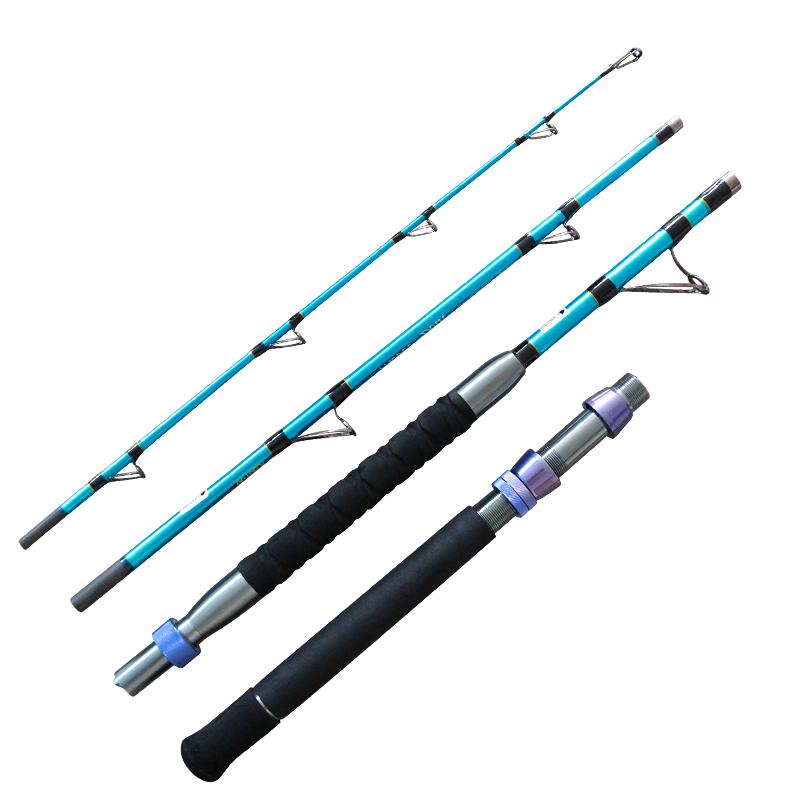
Walking into a tackle shop often feels incredibly overwhelming for anyone looking to buy new gear. You immediately face endless walls of equipment. These walls feature dense manufacturer jargon like modulus ratings, tapers, and actions. Navigating through fragmented online advice makes purchasing even more difficult. We will provide a simplified, evidence-based framework today. This guide cuts through the standard marketing fluff entirely. You will learn how to match specifications directly to your targeted species. You will also align them with your specific environments and personal budget constraints. Truthfully, there is no single universal setup out there for every angler. You simply need to identify the optimal tool for your specific on-the-water applications.
Key Takeaways
- Power vs. Action: Power dictates how much weight the rod can handle; action dictates where the rod bends and how fast it recovers.
- Material Trade-offs: A carbon fishing rod offers maximum sensitivity for feeling light bites, while fiberglass provides essential durability for heavy-duty applications.
- The Universal Starter: For most freshwater beginners, a 7-foot, Medium power, Fast action spinning rod is the most versatile baseline investment.
- Compatibility: A rod is only as good as its pairing; it must match the reel type (spinning vs. casting) and the specific lure weights you intend to throw.
The Anatomy of a Fishing Rod: Baseline Terminology
Every piece of equipment serves a distinct mechanical purpose. You must understand these basic components before evaluating a purchase. Identifying each part builds foundational expertise.
The Blank
The core shaft is called the blank. Manufacturers build it from varying composite materials. These materials dictate the overall performance profile. The blank transfers energy from your hands directly to the lure. It also absorbs the shock of a fighting fish. A high-quality blank drastically improves your overall success rate.
Guides (Line Rings)
Guides are the metal rings attached along the blank. You might overlook them initially. Quality guides matter immensely for consistent performance. Cheap stamped metal guides rust quickly in harsh conditions. They also cause massive line friction during a cast. Friction creates heat during a long run from a heavy fish. This heat eventually snaps your line. Reliable ceramic inserts dissipate heat effectively. They also improve your overall casting distance by reducing line slap.
Reel Seat & Handle
The reel seat secures your reel tightly to the blank. Quality seats use secure locking nuts that prevent slipping. Handles provide your ergonomic grip. You generally choose between two primary materials:
- Cork: This represents the traditional choice. It feels warm and remains highly sensitive. However, cork requires periodic cleaning and sealing.
- EVA Foam: This synthetic foam offers a modern alternative. It provides excellent slip resistance in wet conditions. It also demands almost zero long-term maintenance.
The Primary Evaluation Dimensions: Power, Action, and Length
People often confuse technical specifications. We will separate these concepts clearly. Power refers to lifting strength. Action refers to flex and taper. Length determines your leverage and casting distance.
Rod Power (Lifting Strength)
Power indicates how much physical weight the blank handles efficiently. Ratings range sequentially from ultra-light to heavy. You must match this power to your lure weight. You also must consider the target fish size. Ultra-light power excels for tiny panfish. You cast 1/16oz lures easily with it. Heavy power provides serious muscle. You need it for extracting large bass from thick vegetation.
| Power Rating | Ideal Lure Weight | Target Species / Scenario |
| Ultra-Light | 1/32 oz - 1/8 oz | Panfish, Trout, small streams |
| Medium-Light | 1/8 oz - 1/4 oz | Finesse bass techniques, Walleye |
| Medium | 1/4 oz - 5/8 oz | Versatile all-around use, medium crankbaits |
| Heavy | 3/8 oz - 1 oz+ | Frogs, heavy jigs, dense weed cover |
Rod Action (Flex and Taper)
Action describes exactly where the blank bends under pressure. It also dictates the physical recovery speed. Slow actions bend deep down to the handle. Extra-fast actions only flex near the very tip section. Fast actions provide immediate hook-setting force. They also maximize sensitivity. You feel subtle bottom transitions instantly. Moderate or slow actions serve a entirely different purpose. They act as mechanical shock absorbers. This flex keeps treble-hooked fish pinned securely. Stiff blanks often tear treble hooks free during a jump.
Action Characteristics Chart | Action Type | Bend Location | Primary Benefit |
| Extra-Fast | Top 15% of blank | Maximum sensitivity, instant hook sets |
| Fast | Top 25% to 30% | Great balance of power and feedback |
| Moderate | Top 50% (middle) | Shock absorption for moving baits |
| Slow | Entire blank length | Prevents tearing hooks on soft mouths |
Rod Length
Length introduces basic physics into your purchasing decision. Longer models generally exceed seven feet. They generate superior tip speed during the casting motion. This speed translates directly into greater casting distance. They also provide better line control over the water surface. Shorter models typically measure under six and a half feet. They excel in tight quarters. You achieve higher casting accuracy around wooded shorelines.
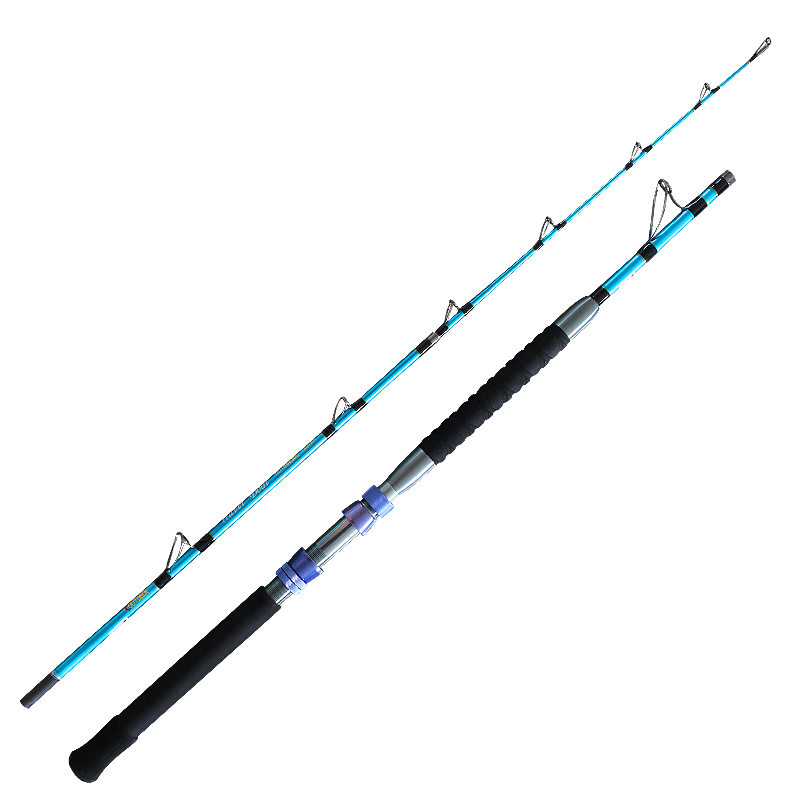
Material Selection: Evaluating Carbon vs. Fiberglass
Material science dictates on-the-water performance traits. You face a choice between three primary composite options. Each material offers distinct advantages and distinct drawbacks.
The Carbon Blank (Graphite)
A carbon fishing rod dominates the modern tackle market. Manufacturers frequently refer to it as graphite. Carbon fiber creates an extremely lightweight structure. It boasts incredible sensitivity. The stiff material transmits bottom contours perfectly to your hand. You feel subtle bites through the blank immediately. It also features a remarkably fast recovery rate. However, carbon carries inherent environmental risks. The extreme stiffness makes it somewhat brittle under direct impact. Hitting a boat deck causes invisible micro-fractures. Shutting it in a car door shatters it instantly. It also generally carries a higher upfront cost.
Fiberglass Blanks
Fiberglass offers rugged, proven dependability. It bends significantly under heavy loads without breaking. The material provides a deep, parabolic flex profile. This bend is highly ideal for moving baits like crankbaits. It prevents you from pulling the lure away too quickly. Fiberglass remains highly cost-effective for budget-conscious buyers. Unfortunately, it weighs noticeably more than carbon. It also dampens vibration heavily. This dampening drastically lowers your bite sensitivity.
Composite Blanks
Composite structures blend both materials together seamlessly. Engineers wrap carbon and fiberglass onto the same manufacturing mandrel. This creates a highly versatile middle-ground solution. Anglers gain essential durability for harsh conditions. They also retain highly respectable sensitivity levels. Composites perform exceptionally well for mixed-use applications. They tolerate abuse better than pure carbon.
The Shortlisting Framework: Matching Rods to Real-World Scenarios
You need a reliable decision framework. This structured approach narrows down overwhelming product options. We break this process down into three sequential steps.
- Step 1: Spinning vs. Baitcasting
You must evaluate your preferred reel style first. We strongly recommend spinning setups for finesse techniques. They handle much lighter lures beautifully. Beginners should always start right here. Spinning gear entirely eliminates frustrating backlash tangles. Baitcasting equipment serves intermediate and advanced anglers better. It manages heavier lines efficiently. It provides pin-point casting accuracy in tight cover. - Step 2: Environment & Portability
You must examine your primary environment next. Saltwater environments destroy standard metal components rapidly. You must select corrosion-resistant materials for coastal trips. Transport logistics also heavily dictate your design choice. A one-piece Fishing Rod provides superior structural integrity. It transmits vibration perfectly along the seamless shaft. However, vehicle transport often becomes difficult. A two-piece model solves basic implementation realities. You can transport it inside a compact car trunk easily. It fits onto public transit systems without hassle. - Step 3: Lure Ratings
You must always check basic compatibility. Every blank features printed lure weight ratings. Look just above the handle section. Check these specific numbers against your actual tackle box. Ensure the gear matches your intended application perfectly. Throwing a heavy lure on a light setup risks permanent breakage. Throwing a light lure on a heavy setup ruins your casting distance.
Common Implementation Risks & Buying Mistakes
Many buyers make completely avoidable mistakes. We want you to bypass these common pitfalls entirely. Proper implementation ensures long-term success on the water.
Over-Specialization Too Early
Many anglers buy highly specific technique models immediately. They might buy a dedicated drop-shot setup first. You should avoid this expensive trap. Always purchase a versatile all-around tool initially. Master foundational techniques first. Build your specialized, narrow arsenal much later.
Ignoring the Balance
Your entire setup must feel balanced in your hand. Pairing a heavy offshore reel on a lightweight blank creates immediate issues. It causes severe wrist fatigue over a long day. It also completely nullifies the delicate sensitivity. The tip becomes sluggish and frustratingly unresponsive.
Falling for "High Modulus" Marketing
Companies push high modulus carbon aggressively. Higher carbon tonnage means the material is stiffer. It also makes the final product lighter. However, it becomes significantly more brittle. It is not necessarily better for a complete novice. Novices often high-stick fish at the boat side. High-sticking shifts the fulcrum point dangerously. It puts immense pressure on the fragile tip. High-sticking a brittle blank causes catastrophic, unrepairable failure.
Conclusion
Let us review the optimal path forward. The best universal starting point remains exceptionally clear. We highly recommend a seven-foot spinning setup. Choose a medium power rating. Select a fast action blank. Look for an entry-level carbon or composite model. This specific configuration offers maximum versatility for everyday scenarios.
Take immediate action today. Go audit the specific lures you plan to throw most often. Document their printed weight ranges carefully. Use those specific weights to select your ideal power rating. You can then confidently move on to select a perfectly matching reel.
FAQ
Q: What is the difference between rod power and rod action?
A: Power refers to the overall stiffness and lifting strength. It dictates how much weight you can cast safely. Action refers to exactly where the blank bends under pressure. It determines how fast the tip recovers to a straight position.
Q: Are 2-piece fishing rods less sensitive than 1-piece rods?
A: Historically, two-piece models suffered from reduced sensitivity. However, modern ferrule technology makes this difference negligible for most anglers today. You should prioritize transport logistics over these tiny micro-gains in sensitivity.
Q: What does "modulus" mean in a carbon fishing rod?
A: Modulus measures the stiffness-to-weight ratio of the carbon fiber. Higher modulus means the blank is lighter and stiffer. However, this increased stiffness makes the material far more brittle and prone to impact damage.
Q: Can I use a freshwater rod in saltwater?
A: You risk rapid component corrosion if you do this. Saltwater aggressively attacks standard metal guides and reel seats. You must use equipment explicitly rated for saltwater environments to ensure longevity.

