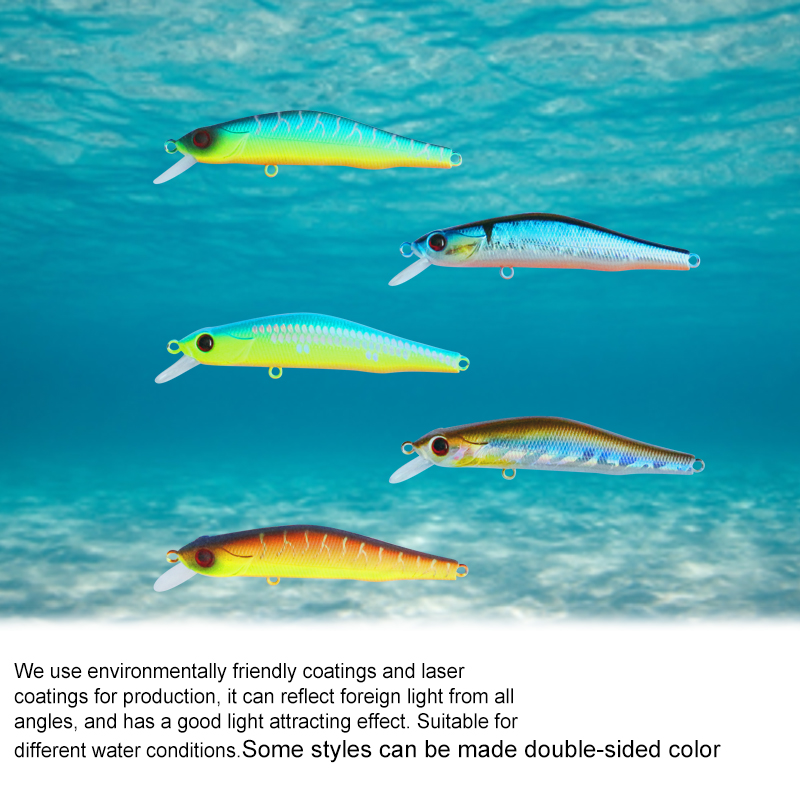
Ever wondered how anglers entice fish to bite? Fishing lures are the secret weapons in their arsenal. These artificial baits mimic natural prey, making them irresistible to fish. Choosing the right fishing lure is crucial for a successful catch. In this post, you'll learn about different types of lures, how they work, and how to select the best one for your fishing adventure.
Types of Fishing Lures
Fishing lures come in many shapes and sizes, each designed to attract fish by mimicking their natural prey or triggering their instincts. Here are the main types you’ll encounter:
Jigs
Jigs are simple yet effective. They consist of a weighted head molded onto a hook, often adorned with a tail made from feathers, plastic, or hair. This tail wiggles in the water, resembling a small fish or insect. Jigs work well because their vertical motion mimics prey struggling near the bottom, which attracts fish like bass and trout. You can add soft plastic trailers to jigs for extra appeal.
Plastic Worms
Plastic worms are soft, flexible lures made from rubber or plastic. They imitate real worms and often include scents or flavors to entice fish. You rig them on hooks or jigheads and retrieve them slowly. Their lifelike movement and scent make them popular for bass fishing. Plus, they come in many colors and sizes to match local bait.
Spinners
Spinners feature one or two shiny metal blades that spin around a shaft as you pull the lure through water. The spinning blades flash light and create vibrations that fish can detect, attracting species like bass and pike. There are different spinner types, including spinnerbaits and inline spinners, each suited for various fishing conditions.
Spoons
Spoons are curved, metal lures that wobble side to side when retrieved. Their shiny surface reflects light, mimicking the flash of a small baitfish. This action draws predatory fish such as pike and walleye. Spoons come in different weights and sizes, allowing you to fish at varying depths and speeds.
Plugs
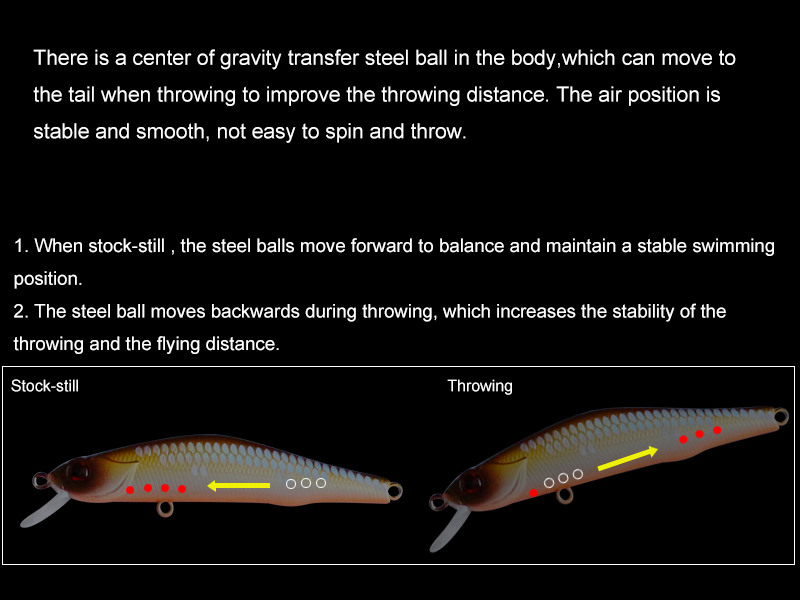
Plugs are hard-bodied lures shaped like small baitfish or other prey. They often have a plastic lip that causes them to dive and wiggle when reeled in. Plugs include poppers, chuggers, crankbaits, and surface plugs. Their lifelike movement and appearance make them effective for many species, from bass to saltwater game fish.
Tip: When starting, focus on a few lure types that match your target fish and local waters to build skill and confidence before expanding your collection.
How Fishing Lures Work
Fishing lures attract fish by appealing to their senses. They don't rely on just one trick but combine visual, auditory, and sometimes chemical cues to fool fish into striking. Let’s explore the main ways lures work:
Visual Attraction
Fish have sharp vision and often rely on sight to hunt. Lures use colors, shapes, and movements to imitate natural prey. Bright or flashy colors catch a fish’s eye, especially in murky water. For example, a spoon’s shiny metal surface reflects light like a small fish’s scales, drawing attention from predators.
Movement also plays a big role. Plugs wiggle or dive, jigs bounce, and plastic worms sway, mimicking live creatures. This realistic action convinces fish the lure is food. Some lures even mimic injured prey, triggering a predatory response.
Vibration and Noise
Fish sense vibrations and sounds through their lateral line system. Lures like spinners and chatterbaits create vibrations and noise as they move through water. The spinning blades of a spinner produce a buzzing sound and water movement, which fish detect from a distance.
These vibrations mimic the motions of struggling or swimming prey. This sensory input can provoke curiosity or aggression, enticing fish to strike even if they can’t see the lure clearly. For example, a spinnerbait’s flash and vibration combo is especially effective in low-visibility conditions.
Scent and Flavor
Some lures include scents or flavors to further entice fish. Plastic worms often have added chemicals that mimic the smell or taste of real bait. This appeals to a fish’s sense of smell and taste, encouraging it to hold onto the lure longer once it bites.
Scented lures can be particularly useful when fish are picky or inactive. They add another layer of realism, making the lure seem more like natural food. However, not all lures have scent, and its effectiveness varies by species and water conditions.
Choosing the Right Lure for Different Fish Species
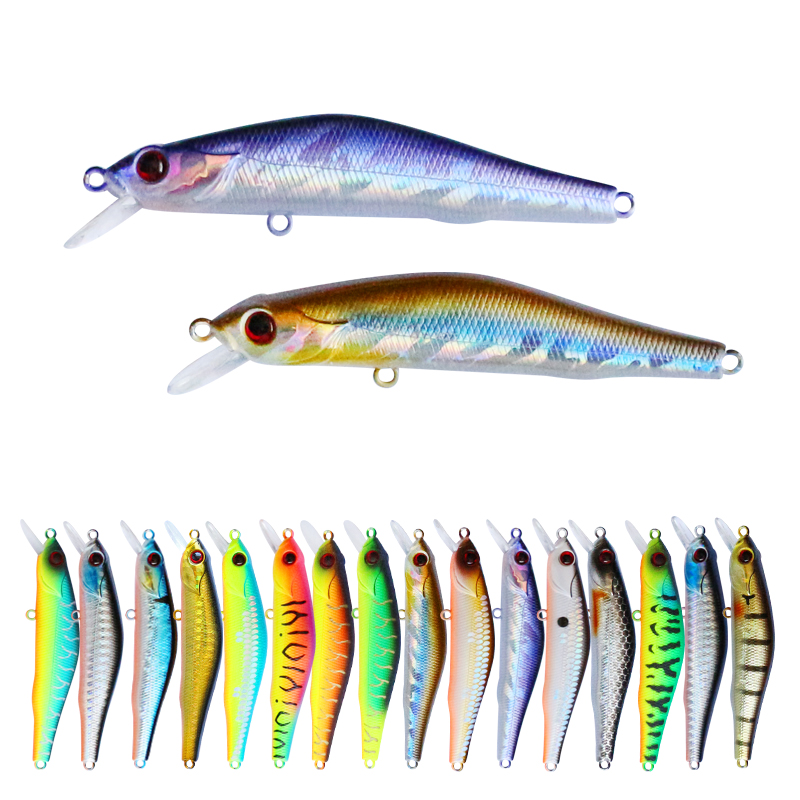
Selecting the right fishing lure depends heavily on the species you want to catch. Different fish have unique feeding habits and preferences. Matching your lure to these habits increases your chances of a successful catch.
Largemouth Bass
Largemouth bass are aggressive predators with large mouths, allowing them to strike big lures. They respond well to plastic worms, jigs, and topwater plugs. For example, a weedless frog lure works great in lily pads, mimicking the bass’s natural prey. Bright colors and lifelike movements trigger their predatory instincts. Bass often prefer lures that imitate frogs, crawfish, or small baitfish. Using plastic worms rigged Texas-style or Carolina-style also proves effective around cover like weeds or submerged logs.
Northern Pike
Northern pike are known for their sharp teeth and aggressive strikes. They often lurk in weeds or near submerged structures. Pike favor spoons and spinnerbaits that flash and vibrate, simulating injured baitfish. Large plugs and swimbaits also work well because pike target bigger prey. Choose lures that can be retrieved quickly to provoke a chase. Silver or gold spoons with a wobbling action can attract pike from a distance. Also, spinnerbaits with willow leaf blades create both flash and vibration, which pike find irresistible.
Trout
Trout are generally more cautious and prefer smaller, subtle lures. Jigs, small spoons, and inline spinners are popular choices. Trout often feed on insects and small baitfish, so lures that mimic these prey work best. Natural colors like brown, olive, or silver blend well in clear water. Flies and soft plastic worms also catch trout, especially when fished near the bottom or through riffles. When water is cold, slow retrieves with light jigs or small spoons can entice bites. Trout’s keen eyesight means lure size and color should closely match local forage.
Factors Influencing Lure Selection
Choosing the right fishing lure depends on several key factors that affect fish behavior and lure effectiveness. Understanding these factors helps anglers pick lures that increase their chances of success.
Water Temperature
Water temperature plays a big role in fish activity. Since fish are cold-blooded, their metabolism speeds up in warmer water, making them more active and likely to chase fast-moving lures. For example, during warm summer months, using brightly colored plastic worms or fast-retrieved crankbaits can trigger aggressive strikes.
In contrast, colder water slows fish down. They become sluggish and less willing to chase lures. In these conditions, slow down your retrieve and use smaller, subtle lures like finesse jigs or small spoons. A slow, steady presentation gives fish more time to notice and bite the lure.
Water Depth
The depth at which fish are holding influences lure choice. Fish near the surface respond well to topwater plugs or floating jigs that mimic prey on or just below the water’s surface. For mid-depth fish, suspending plugs or inline spinners work well.
Deeper water requires lures that can reach those depths effectively. Deep-diving crankbaits, heavy spoons, or weighted jigs help get the lure down where fish are feeding. Adjusting lure weight and type based on depth ensures the lure stays in the strike zone longer.
Fish Activity Level
Fish mood or activity level determines lure speed and action. Active fish chase fast-moving, erratic lures like spinnerbaits or buzzbaits. These lures cover water quickly and provoke reaction strikes.
When fish are less active or pressured, slow presentations work better. Soft plastic worms, finesse jigs, or suspending jerkbaits fished with pauses and subtle twitches imitate injured or slow prey, tempting cautious fish.
Fishing Techniques with Lures
Fishing lures offer versatility through various techniques, each suited to different environments and target species. Mastering these methods helps you maximize lure effectiveness and increases your chances of landing fish.
Casting
Casting is the most common lure fishing technique. You cast the lure out, then retrieve it by reeling in the line. This method covers water efficiently and lets you target specific spots such as near structures, weeds, or drop-offs.
Different lures require different retrieval styles during casting:
| Steady Retrieve | Pull the lure in smoothly at a constant speed. Works well for spoons, plugs, and soft plastics. |
| Stop-and-Go | Reel in, then pause briefly. This imitates injured prey and can trigger strikes from wary fish. |
| Twitching | Add quick jerks or twitches to the rod tip, making the lure dart erratically. Effective for jerkbaits and topwater plugs. |
| Hopping | Lift and drop the lure repeatedly, especially jigs. This vertical motion mimics prey struggling on the bottom. |
Casting allows precise control over lure placement and action. It’s ideal for anglers fishing from shore, docks, or boats targeting species like bass, trout, and pike.
Trolling
Trolling involves dragging lures behind a moving boat. This technique covers large water areas and locates active fish that may be spread out.
Common trolling lures include crankbaits, spoons, and spinnerbaits. The boat’s speed influences lure depth and action. Faster trolling sends lures deeper or creates more vibration, while slower speeds keep lures near the surface.
Advantages of trolling:
Efficiently search for fish over wide areas.
Maintain consistent lure presentation.
Target species that roam or hold at different depths.
Trolling suits anglers fishing lakes, reservoirs, or large rivers for species like walleye, salmon, and muskellunge.
Vertical Jigging
Vertical jigging is a specialized technique where the lure moves mostly up and down in the water column. Anglers drop a jig or heavy spoon directly below the boat, then lift and lower the rod tip to create enticing motion.
This method works well in deep water or when fish hold near the bottom or suspended at specific depths. Vertical jigging lets you keep the lure in the strike zone longer and target fish precisely.
Key points for vertical jigging:
Use weighted jigs or spoons to reach desired depth quickly.
Employ short, sharp lifts followed by slow drops.
Adjust jigging speed to match fish activity.
Vertical jigging is popular for species like bass, trout, and cod, especially when fishing from boats over deep structures or ledges.
Advantages and Disadvantages of Using Fishing Lures
Fishing lures offer a unique way to catch fish by actively enticing them to strike. Like any fishing method, using lures has its strengths and weaknesses. Understanding both helps anglers decide when and how to use them effectively.
Pros of Using Lures
Active Engagement: Lure fishing keeps you involved. You cast, retrieve, and adjust your technique constantly. This active approach can make fishing more exciting and rewarding.
Targeted Fishing: Lures allow precise targeting of species and locations. You can select colors, sizes, and actions that match the fish’s natural prey and habitat.
Less Bycatch: Lures tend to attract specific fish species and sizes, reducing unwanted catches. This helps protect smaller or non-target fish.
Catch Larger Fish: Lures often attract bigger, more aggressive fish. Their design mimics prey that larger fish prefer, increasing chances of landing trophy fish.
Ease of Catch and Release: Lures usually hook fish in the mouth, making it easier to release them unharmed. This supports conservation and sustainable fishing.
Versatility: You can fish lures in many environments—freshwater, saltwater, shallow, or deep water. Different lure types and techniques adapt to various conditions.
No Need for Bait: Lures eliminate the hassle of buying, storing, or handling live bait. This convenience appeals to many anglers.
Cons of Using Lures
Higher Cost: Quality lures can be expensive, especially specialized types. Losing lures to snags or fish means replacing costly gear.
Skill Required: Lure fishing demands more skill than bait fishing. Knowing how to retrieve, choose, and present lures takes practice and experience.
Less Effective in Certain Conditions: In very murky water or cold temperatures, fish may ignore lures. Natural bait sometimes outperforms lures in these situations.
Snagging Risk: Lures with treble hooks or complex designs can snag on rocks, weeds, or debris. This can cause lost lures and frustration.
Active Effort Needed: Lure fishing requires constant movement and attention. It’s not ideal if you want a relaxed, passive fishing experience.
Species Limitations: Some fish species respond poorly to lures and prefer natural bait. Relying solely on lures may limit your catch variety.
Maintenance: Lures need care to maintain hooks, colors, and action. Neglect can reduce their effectiveness.
Conclusion
Fishing lures mimic prey to attract fish, using visual, vibration, and scent cues. They come in various types, including jigs, plastic worms, spinners, spoons, and plugs, each suited to different species and conditions. Choosing the right lure involves considering water temperature, depth, and fish activity. While lures offer active engagement and targeted fishing, they require skill and can be costly. Huayue Sports provides quality fishing lures that enhance your fishing experience, offering versatility and effectiveness in diverse environments.
FAQ
Q: What is a Fishing Lure?
A: A fishing lure is a man-made object designed to attract fish by resembling prey. It uses colors, movements, and sometimes scents to entice fish into biting.
Q: How do you use a Fishing Lure effectively?
A: To use a fishing lure effectively, match it to your target fish and water conditions, and vary retrieval techniques like steady reeling, twitching, or stop-and-go.
Q: Why are Fishing Lures popular among anglers?
A: Fishing lures are popular because they offer active engagement, precise targeting, less bycatch, and the potential to catch larger fish without needing live bait.

