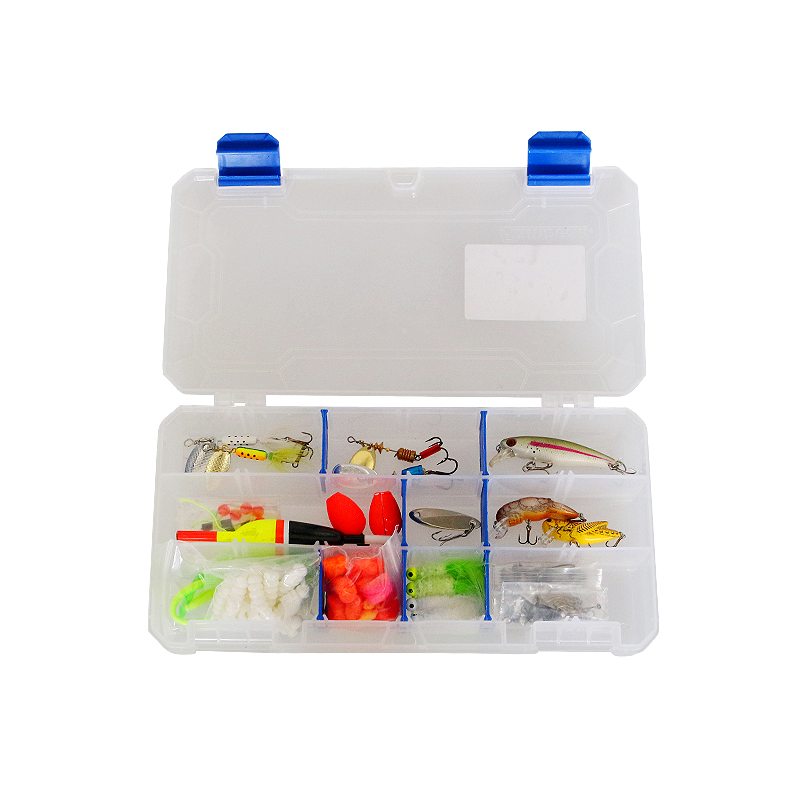
Ever wondered why some anglers always seem to catch more fish? The secret often lies in choosing the right fishing lure. Fishing lures are artificial baits designed to attract fish, mimicking their natural prey. Selecting the correct lure is crucial for success, as it can significantly impact your catch rates. In this post, you'll learn about different types of fishing lures, how to match them to specific fish species, and tips for selecting the best colors and techniques.
Types of Fishing Lures
Fishing lures come in many shapes, sizes, and styles, each designed to mimic different prey and trigger strikes from various fish species. Knowing the types helps you choose the right one for your target fish and fishing conditions. Here’s a breakdown of the main lure types:
Jigs
Jigs feature a weighted head, a hook, and often a skirt or soft plastic trailer. They vary from light swim jigs to heavy football jigs for deep water. Jigs work well around structure, weeds, and rocky bottoms. They imitate crawfish or baitfish and are versatile for many species.
Soft Plastics
Soft plastics include worms, lizards, craws, flukes, and creatures. They come in countless colors and shapes. You can rig them Texas style, Carolina style, or on jigheads. They’re flexible, lifelike, and great for finesse or aggressive presentations.
Topwaters
Topwater lures float and create surface disturbance to attract strikes. Examples include poppers, spooks, hollow-body frogs, and buzzbaits. They’re thrilling to fish and effective when fish are active near the surface, especially in warmer water.
Spinnerbaits
Spinnerbaits have metal blades that spin, creating flash and vibration. They feature a weighted head, hook, and a skirt. These lures work well in murky water, covering water quickly and enticing aggressive strikes.
Vibrating/Bladed Jigs
These combine a jig with a vibrating metal blade. The blade’s action creates strong vibrations and flash. Known as chatterbaits, they’re excellent for power fishing and work well in spring or stained water.
Crankbaits
Crankbaits are hard-bodied lures with a bill that makes them dive and wobble. They imitate baitfish or crawfish. Variants include shallow, medium, and deep divers, plus lipless crankbaits that sink and can be fished at various depths.
Jerkbaits
Jerkbaits are slender, hard plastic lures with a suspending action. They’re effective in cold water where fish are less active. Anglers use a twitch-pause retrieve to mimic injured baitfish.
Swimbaits
Swimbaits mimic larger baitfish with realistic swimming action. They include soft plastics, multi-jointed hard baits, and glide baits. Big swimbaits target trophy fish and require heavier tackle.
Flies
Fly fishing uses lightweight flies to imitate insects, minnows, or frogs. Flies for bass include poppers, streamers, and crayfish patterns. Fly fishing offers stealth and precision, ideal for clear water and pressured fish.
Tip: Experiment with different lure types in your local waters to discover which ones consistently trigger bites for your target species.
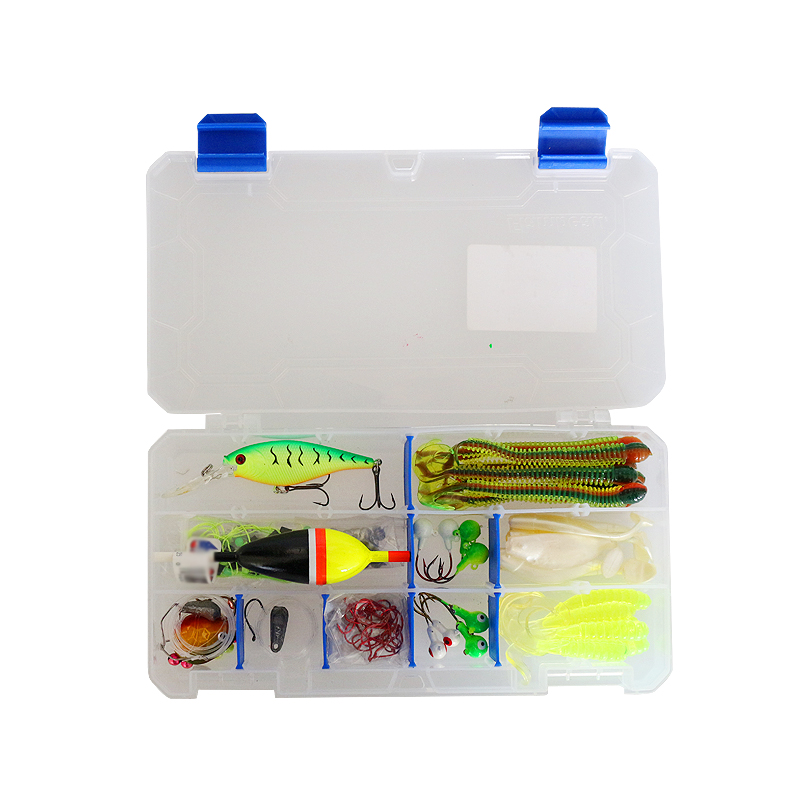
Fishing Lures for Different Fish Species
Lures for Bass Fishing
Bass are aggressive and opportunistic predators. They respond well to a variety of lures. Jigs work great around cover like weeds and rocks, imitating crawfish or baitfish. Soft plastics such as worms and creature baits rigged Texas or Carolina style are excellent for finesse presentations. Topwaters like poppers and buzzbaits create exciting surface strikes during warm months. Spinnerbaits and vibrating jigs trigger reaction bites in murky water. Crankbaits and jerkbaits mimic baitfish at different depths, effective especially in cooler water. Swimbaits target bigger bass, perfect for trophy hunting. Fly fishing with poppers and streamers offers stealthy, precise presentations in clear water.
Lures for Trout Fishing
Trout prefer lures that imitate insects, small baitfish, or crustaceans. Small spinners and spoons work well in streams and rivers. Soft plastics in natural colors mimic aquatic insects or larvae. Crankbaits with tight wobble and small profile imitate minnows. Jigs tipped with natural bait or soft plastics can be effective near rocky bottoms. Flies remain the top choice for trout anglers, with dry flies, nymphs, and streamers matching hatch cycles. Bright or light-colored lures excel in clear water, while darker tones suit stained water or low-light conditions.
Lures for Pike and Musky
These toothy predators favor big, flashy lures. Large swimbaits and jerkbaits imitate sizeable baitfish and provoke aggressive strikes. Spinnerbaits with big blades create strong vibrations and flash, ideal in murky water. Topwater lures like large frogs or buzzbaits cause explosive surface strikes. Heavy jigs rigged with soft plastic trailers work well around weeds and structure. Pike and musky require durable lures with strong hooks and wire leaders to prevent bite-offs.
Lures for Panfish
Panfish like bluegill and crappie respond to smaller, subtle lures. Tiny jigs tipped with live bait or soft plastics are very effective. Small crankbaits and spinnerbaits in bright or natural colors work well in both clear and stained water. Flies such as small nymphs and wet flies attract panfish in shallow waters. Light lure colors often produce better results since panfish feed on small insects and minnows.
Lures for Saltwater Fishing
Saltwater species vary widely, so lure choice depends on target fish and environment. Soft plastic baits rigged on jigheads imitate shrimp or baitfish for species like redfish and snook. Metal spoons and jigs are effective for fast-moving predators like mackerel and tuna. Topwater plugs work well for species feeding near the surface, such as striped bass. Crankbaits and swimbaits imitate baitfish and appeal to a broad range of saltwater predators. Durable, corrosion-resistant lures with strong hooks are essential in saltwater conditions.
How to Choose the Right Fishing Lure Color
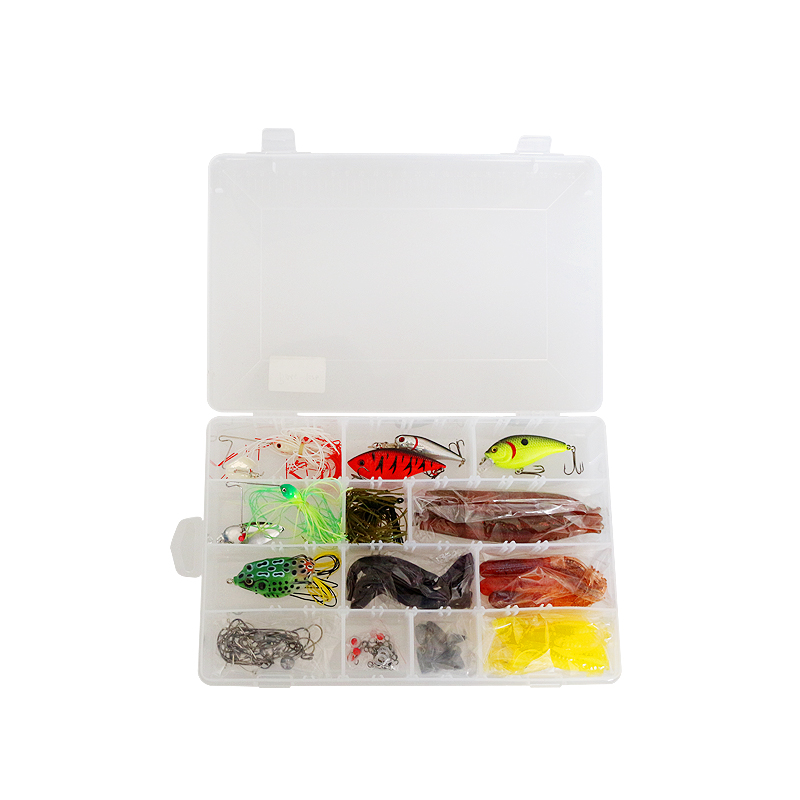
Choosing the right fishing lure color can make a big difference in your success. Colors affect how fish see your lure underwater, influenced by water clarity, light, and fish behavior. Understanding basic color categories and how to apply them helps you pick the best option easily.
Understanding Lure Color Categories: Lights, Brights, and Darks
Lure colors generally fall into three groups:
| Lights | These include white, pale yellows, soft pinks, and light grays. Light colors mimic baitfish bellies and natural prey, making them versatile in clear and stained water. They reflect light well, helping lures stand out without spooking fish. |
| Brights | Neon greens, chartreuse, hot pinks, and flashy metallics belong here. Bright colors grab attention, especially in murky water or low visibility. They mimic flashy, active prey or trigger reaction strikes but can be too intense in clear water. |
| Darks | Black, deep purples, dark blues, and browns fit this category. Dark lures create strong silhouettes and contrast, useful in low light, stained water, or night fishing. They imitate creatures like crawfish and leeches that fish often target. |
Choosing Lure Colors Based on Water Clarity
Water clarity affects how far light penetrates and how fish perceive colors:
Clear Water: Natural, light colors work best. Fish see details clearly, so subtle, realistic colors like white, light gray, or soft browns avoid spooking wary fish.
Stained or Murky Water: Bright or dark colors help. Brights like chartreuse or orange increase visibility. Darks create strong shapes fish can detect even with limited sight.
Deep Water: Light and bright colors stand out at depth due to light loss. White or fluorescent lures often perform better.
Choosing Lure Colors Based on Weather Conditions
Weather and light conditions influence color choice:
Sunny Days: Light or natural colors blend well. Bright colors may appear too flashy and scare fish.
Overcast or Low Light: Dark colors create silhouettes fish can detect better. Darks can trigger strikes when visibility is limited.
Night Fishing: Dark lures, especially black, work well. They offer clear outlines against dim backgrounds.
Personal Confidence and Lure Color Selection
Confidence in your lure choice matters. If you believe a color works, you’ll fish it more effectively. Many anglers have favorite colors that consistently produce results. Experiment with different tones to find what works locally and trust your instincts.
Fishing Lure Techniques and Tips
How to Use Jigs Effectively
Jigs are versatile and deadly when fished right. Start by casting near structure like rocks, fallen trees, or weed beds where fish hide. Let the jig sink to the bottom, then use a slow, hopping motion by lifting your rod tip and letting it fall back. This mimics crawfish or injured baitfish. Vary your retrieve speed and pauses to find what triggers strikes. In heavy cover, use jigs with a weedguard to avoid snags. For finesse, try a smaller jig with a soft plastic trailer and a slow drag along the bottom.
Techniques for Fishing with Soft Plastics
Soft plastics shine because of their lifelike movement. Rig them Texas style to fish through weeds or Carolina style for deeper water. Use a slow, steady retrieve or subtle twitches to imitate natural prey. Weightless soft plastics work well in shallow water or when fish are finicky. Add scent or use trailers like craw or creature baits to increase appeal. Experiment with colors based on water clarity and light conditions to improve your catch rate.
Topwater Fishing Strategies
Topwater lures create exciting surface action. Cast near lily pads, logs, or shallow flats where fish feed. Use a “walk-the-dog” retrieve for lures like spooks—this means twitching your rod tip to make the lure zigzag. Poppers require a quick jerk to create a splash, then pause to let fish strike. Early morning and late evening are prime times for topwater fishing when fish feed aggressively near the surface. Be patient and ready to set the hook quickly on explosive strikes.
Using Spinnerbaits in Different Water Conditions
Spinnerbaits excel in murky or stained water due to their flash and vibration. In clear water, use natural colors and slow retrieves to avoid spooking fish. In stained water, opt for bright colors like chartreuse or white and crank the lure faster to increase vibration. When fishing around weeds, keep the lure moving steadily to avoid snags. Slow rolling spinnerbaits near the bottom can trigger lethargic fish, especially in cooler water.
Effective Use of Crankbaits and Jerkbaits
Crankbaits cover water quickly and work well for active fish. Choose shallow, medium, or deep diving versions based on the water depth. Use a steady retrieve with occasional pauses or twitches to imitate fleeing baitfish. Lipless crankbaits can be yo-yoed vertically near structure for aggressive strikes. Jerkbaits require a twitch-pause retrieve to mimic injured baitfish, perfect for cold water when fish are less active. Suspend jerkbaits at different depths to find where fish hold.
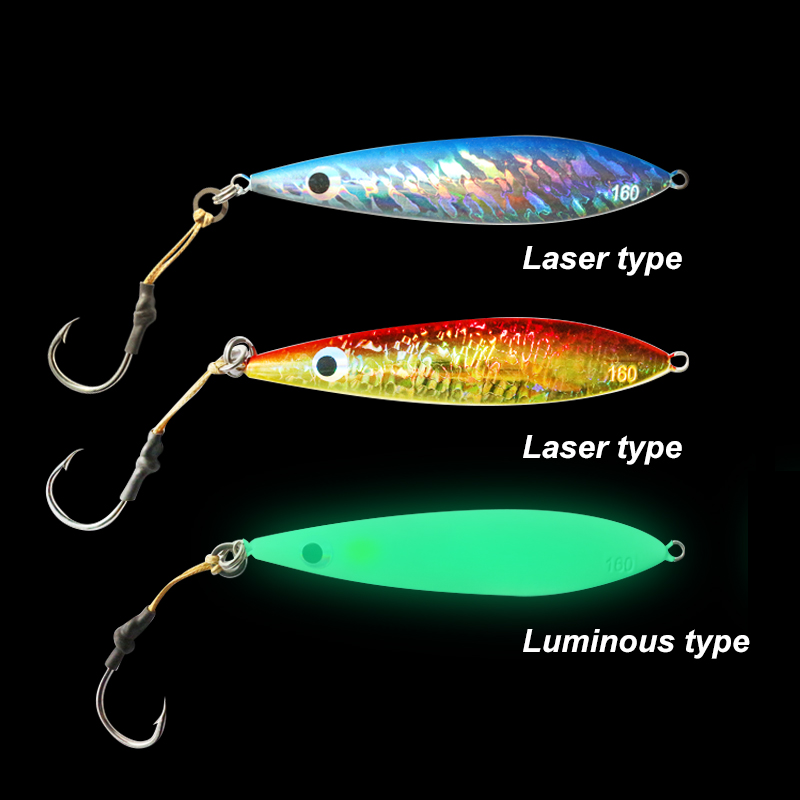
Common Mistakes to Avoid with Fishing Lures
Choosing the right fishing lure can be tricky, and even experienced anglers make mistakes that cost them bites. Avoiding common errors improves your chances and helps you fish smarter. Here are key mistakes to watch out for:
Choosing the Wrong Lure Size
Size matters. Using a lure too big or too small can scare fish away or fail to attract their attention. Large lures often work well for big, aggressive fish like pike or musky but may intimidate smaller species like panfish or trout. Conversely, tiny lures might not trigger strikes from bigger predators. Match the lure size to the typical prey in the water and the target fish’s mouth size. For example, bass often go after medium-sized soft plastics or crankbaits, while trout prefer smaller spinners or flies.
Using the Wrong Lure for the Season
Fish behavior changes with seasons, affecting lure effectiveness. In cold water, fish become sluggish and less likely to chase fast-moving lures. Jerkbaits and suspending crankbaits with slow, subtle action work best then. During warmer months, active topwater lures and fast-moving spinnerbaits trigger aggressive strikes. Ignoring seasonal patterns leads to frustration and wasted effort. Study local seasonal habits and adjust your lure choice accordingly.
Neglecting to Match the Hatch
Matching the hatch means selecting lures that imitate the natural prey fish feed on at a given time. Fish key in on familiar shapes, sizes, and colors. For example, trout in spring often feed on emerging insects, so small nymph or dry fly patterns work well. In summer, bass might focus on crawfish or shad, so jigs or swimbaits mimicking those prey are effective. Ignoring this principle can leave your lure unnoticed or rejected.
Overlooking Lure Maintenance and Care
Fishing lures take a beating from water, rocks, and fish teeth. Dull hooks, damaged skirts, or faded colors reduce lure effectiveness. Regularly inspect and maintain your lures by sharpening hooks, replacing worn skirts or trailers, and cleaning off dirt or algae. Proper care extends lure life and keeps them performing their best. Also, store lures properly to avoid tangling or damage.
Conclusion
Fishing lures vary in types and colors, each suited for different fish species and conditions. Experimenting with various lures helps you determine what works best locally. Adjust lure size, type, and color based on prey, season, and water clarity for better results. Regular maintenance ensures optimal performance. By choosing the right lures, anglers can significantly improve their fishing success. Huayue Sports offers high-quality fishing products, enhancing your experience with durable and effective lures designed for diverse fishing scenarios.
FAQ
Q: What is a Fishing Lure?
A: A Fishing Lure is an artificial bait used to attract fish by imitating their natural prey, such as baitfish, insects, or crustaceans.
Q: How do you choose the right Fishing Lure for bass?
A: Choose jigs, soft plastics, topwaters, spinnerbaits, crankbaits, and swimbaits for bass, considering cover, water clarity, and fish activity.
Q: Why are Fishing Lures important?
A: Fishing Lures are crucial as they mimic prey, triggering fish strikes and increasing your chances of a successful catch.
Q: What are the benefits of using soft plastic Fishing Lures?
A: Soft plastic Fishing Lures offer lifelike movement, versatility in rigging, and effectiveness in finesse presentations.
Q: How can you troubleshoot ineffective Fishing Lures?
A: Check lure size, type, color, and condition; adjust based on water clarity, fish species, and seasonal behavior for better results.

