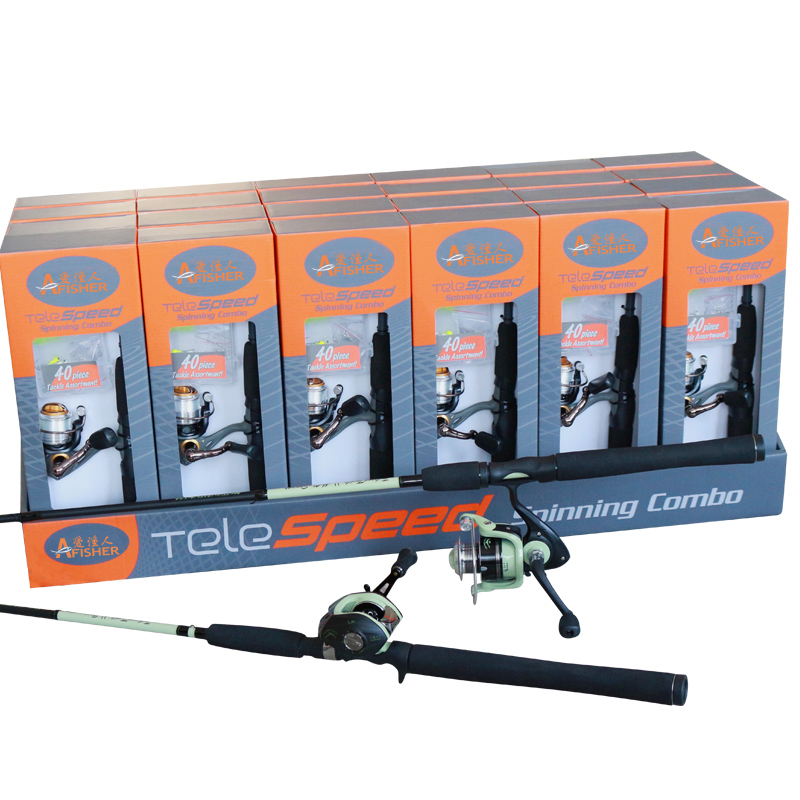
Buying a pre-configured fishing setup is often viewed as a beginner's shortcut in the angling world. However, modern manufacturer-paired setups actually offer highly engineered synergy. You no longer have to guess which rod perfectly matches which reel. The main challenge lies in evaluating these ready-made options effectively on the store shelf. You must determine whether a specific factory pairing sacrifices critical component quality for mere convenience. Conversely, you need to verify if it provides a genuinely calibrated, performance-ready system built to handle real-world conditions. This guide provides a clear, technical framework for evaluating the exact performance factors of factory-paired rods and reels. We will help you assess long-term durability, tactile sensitivity, and precise application fit before making a purchase. Ultimately, you will learn exactly what to look for when selecting your next angling rig.
Key Takeaways
Synergy outranks standalone specs: A perfectly balanced mid-tier combo will outperform a poorly matched premium rod and reel by reducing angler fatigue and improving cast accuracy.
Material dictates application: Rod blank materials (graphite vs. fiberglass) and action ratings define whether a combo is suited for finesse techniques or heavy extraction.
The hidden compromise: Manufacturers often balance the price of a combo by pairing a high-quality rod with a lower-tier reel (or vice versa); evaluating drag systems and guide materials is crucial for long-term ROI.
Application matching is definitive: A spinning fishing combo excels in versatility and light-tackle scenarios, whereas baitcasting combos are required for heavy cover and precision power.
The Foundation: Rod Material, Power, and Action
Evaluating any solid Fishing Combo starts by examining its structural foundation. The rod blank material directly dictates how the setup performs on the water. Manufacturers typically build rods from three primary materials. Each material serves a highly specific angling purpose.
| Blank Material |
Performance Characteristics |
Ideal Application |
Known Risks |
| Graphite / Carbon Fiber |
Extremely high sensitivity and stiffness. Minimal weight. |
Detecting subtle strikes and feeling bottom contours. |
More brittle under high-sticking pressure. Can snap if bent improperly. |
| Fiberglass |
Slower response time. Incredible flexibility and high durability. |
Moving baits like crankbaits. Heavy-duty saltwater trolling. |
Heavier weight causes fatigue during long casting sessions. |
| Composite |
Balanced blend of graphite sensitivity and fiberglass toughness. |
All-purpose fishing. Excellent for varied techniques. |
Slightly less sensitive than pure graphite. |
Beyond material, you must understand the critical difference between rod power and rod action. Many anglers confuse these two metrics. They represent entirely different physical properties of the rod blank.
Power (Lifting Strength): Power ratings range from Ultra-Light to Extra-Heavy. This metric dictates the maximum line rating the rod can safely handle. It also determines the size of fish the setup can extract from heavy cover. An Extra-Heavy rod excels at pulling large bass from dense lily pads. An Ultra-Light rod perfectly targets small panfish in open water.
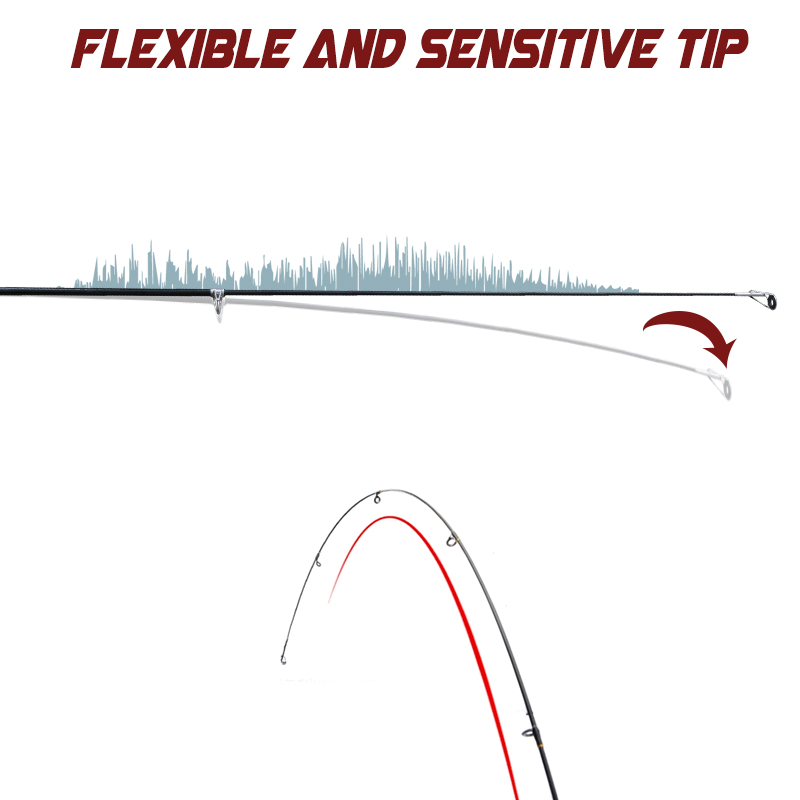
Action (Flex Point): Action defines where the rod blank naturally bends under pressure. Fast action rods bend primarily near the tip. They dictate rapid, forceful hooksets. Moderate action rods bend near the middle. Slow action rods bend evenly throughout the entire blank. Slower actions act as shock absorbers. They keep consistent tension on treble hooks, preventing fish from throwing the lure during a fight.
The Engine: Reel Mechanics and Drag Calibration
The reel acts as the mechanical engine of your setup. Assessing its internal components is vital for ensuring long-term reliability. A poor reel will easily ruin an otherwise excellent rod. You must evaluate the drag system before making any purchase decisions. Startup inertia stands out as the most critical performance metric here.
Startup inertia measures the exact amount of force required to get the spool moving from a dead stop. Imagine a large fish striking your lure and immediately bolting. If the drag mechanism sticks for even a fraction of a second, the sudden shock will snap your line. Smooth startup inertia prevents broken lines. You should always check the drag washer materials. Carbon fiber washers offer superior heat dissipation and incredible smoothness under heavy loads. Oiled felt washers provide excellent smoothness for light-tackle applications but degrade faster over time.
Gear ratios represent another critical evaluation point. The gear ratio dictates how many times the spool rotates for every single turn of the reel handle. You must map specific gear ratios to your chosen fishing techniques.
High Speed (e.g., 7.1:1 or 8.1:1): Excellent for fast line pickup. You need this speed for managing slack line quickly. It works perfectly for techniques requiring rapid lure retrieval.
Low Speed (e.g., 5.4:1): Provides massive cranking torque. You need this mechanical advantage when retrieving deep-diving crankbaits. It prevents hand fatigue during high-resistance presentations.
Finally, we must address the persistent "bearing count myth." Many cheap reels boast 12 or 14 internal bearings to appear premium. Quality always outranks quantity in reel mechanics. Five shielded stainless steel bearings will vastly outperform twelve cheap, unshielded bearings. Unshielded bearings corrode rapidly when exposed to moisture and grit. High-quality shielded bearings ensure smooth operation season after season.
The Synergy Factor: Why a "Combo" Matters
Many anglers wonder why factory-paired systems perform so well. The secret lies in highly engineered equilibrium. Center of gravity plays a massive role in overall angling comfort. A properly balanced rig places the exact fulcrum point directly at the angler’s grip. The setup should balance perfectly when resting on your index finger just above the reel seat.
Poorly matched standalone rods and reels often result in tip-heavy configurations. A tip-heavy rod forces your wrist to constantly fight gravity. This microscopic overcompensation leads to severe wrist and forearm fatigue over an eight-hour fishing session. Factory pairing eliminates this issue entirely. Engineers select reel weights explicitly to counterbalance specific rod blanks.
Line flow dynamics also benefit immensely from factory calibration. You must consider the relationship between the reel's spool lip diameter and the rod’s stripping guide. The stripping guide is the first and largest ring on the rod blank. As line uncoils from the reel during a cast, it forms a "cone of flight."
If the spool is too large for the stripping guide, the uncoiling line violently slaps the guide ring. This friction chokes the line flow instantly. It drastically reduces your overall casting distance. It also ruins your casting accuracy. Manufacturers pair combos to ensure the spool diameter matches the stripping guide perfectly. This careful calibration ensures frictionless line flow.
This manufacturer calibration provides a distinct engineering advantage. Components are designed simultaneously to handle identical stress loads. The rod flex point perfectly matches the reel's drag curve. This synergy creates a unified tool rather than two disconnected parts fighting against each other.
Scenario Matching: Spinning vs. Baitcasting Combos
Choosing the correct style of setup remains crucial. Your specific fishing scenario dictates which configuration will perform best. You must evaluate your target species, typical lure weights, and prevailing weather conditions.
A well-designed Spinning Fishing Combo excels in overall versatility. It dominates in finesse applications where delicate presentations are required. Spinning setups cast ultra-light lures effortlessly. They also outshine baitcasters in windy conditions. Strong headwinds often cause severe backlash on baitcasting reels, but spinning gear handles wind easily.
When evaluating spinning options, look closely at the rotor construction. You want a highly rigid rotor. Flimsy plastic rotors flex under heavy drag pressure. This flexing misaligns the internal gears and causes the reel to bind. Additionally, inspect the line roller. Anti-twist line rollers are essential. They actively prevent line memory and eliminate frustrating wind knots during long casting sessions.
The baitcasting setup serves a completely different master. It thrives in heavy cover environments. Baitcasters provide unparalleled precision for target casting. You can stop a lure in mid-air by simply thumbing the spool. They also manage heavy fluorocarbon and thick braided lines much better than spinning gear.
When evaluating baitcasting options, focus entirely on the braking system. Good braking mitigates the dreaded spool backlash. Magnetic brakes apply resistance near the end of the cast when spool speed drops. Centrifugal brakes apply maximum resistance at the very beginning of the cast when spool speed peaks. High-end baitcasters often employ dual-braking systems for ultimate control.
Implementation Risks: Spotting the "Cost-Cutting" Compromises
You must remain vigilant when inspecting factory setups. Manufacturers often balance the retail price by cutting corners on less obvious components. Learning to spot these hidden compromises protects your investment.
Guide quality remains the most common cost-cutting area. Brands often use cheap rod guides to lower the overall retail price. You should always inspect these components carefully. Look for aluminum oxide, SiC (Silicon Carbide), or stainless steel inserts. Modern braided fishing line acts like a microscopic saw blade. Cheap guides will quickly develop deep grooves from braided line friction. These grooves will eventually fray and snap your line during a critical fight. Hard inserts ensure the line flows smoothly without damaging the rings.
Reel body rigidity represents another frequent compromise. Evaluate the primary frame material of the reel. Entry-level setups often feature plastic or cheap graphite frames. These softer materials flex noticeably under heavy torque. When you fight a large fish, frame flex causes the internal gears to misalign. Gear misalignment strips the teeth and destroys the reel. Aluminum frames prevent this issue entirely. They ensure absolute gear stability during heavy, prolonged fights.
Finally, assess the overall upgradability of the setup. Some budget rigs use proprietary, molded handles and non-standard reel seats. These designs lock you into using their specific components forever. Ensure the reel seat follows universal sizing standards. A universal seat allows you to upgrade the reel later while keeping a rod blank you already love. This flexibility ensures you are never locked into a disposable, non-swappable system.
Conclusion
Evaluating a factory-paired setup does not have to be an overwhelming process. By following a structured approach, you can easily separate high-performance tools from cheap compromises. Keep this shortlisting logic in mind when making your final decision:
Identify the Environment: First, clearly define your target species and typical fishing conditions.
Select Power and Action: Match the rod blank characteristics strictly to your chosen lure weights and hook styles.
Verify Component Quality: Rigorously check for smooth drag startup inertia and durable guide insert materials.
Test the Balance: Hold the assembled setup to ensure the center of gravity rests comfortably at your grip.
Your immediate next step is simple. Prioritize brands transparently listing their specific component materials. Look for exact blank tonnages, specific drag washer materials, and branded guide rings. Avoid setups relying purely on vague marketing buzzwords. Transparent specifications usually indicate a manufacturer proud of their calibrated engineering.
FAQ
Q: Are factory fishing combos lower quality than custom-paired setups?
A: Not necessarily. While entry-level combos use budget parts, mid-to-high-tier combos offer excellent value and guaranteed balance. Manufacturers design these components to work in perfect synergy. They may lack the hyper-specialized features required by professional tournament anglers, but they perform exceptionally well for most angling situations.
Q: Can I swap the reel on a pre-bought fishing combo later?
A: Yes. The reel seats on 99% of standard combos are entirely universal. You can easily upgrade or swap the reel in the future. However, keep in mind swapping components alters the original factory balance point of the rig.
Q: What is the best combo type for a beginner?
A: A medium-power, fast-action spinning setup offers the highest versatility. We recommend looking in the 6'6" to 7'0" length range. This specific configuration covers freshwater and light saltwater environments effectively. It also provides the lowest learning curve for new anglers mastering their casting technique.
Q: How do I know if the combo is rated for saltwater?
A: You must look for specific corrosion-resistant features. Check for sealed drag systems, often denoted by IPX ratings. Verify the presence of shielded stainless steel bearings and corrosion-resistant guide frames. Using a standard freshwater setup in harsh saltwater environments will lead to rapid, irreversible gear degradation.

