Fishing is more than just a leisure activity—it's a sport, a survival skill, and for some, a way of life. At the heart of every angler’s gear lies a crucial tool: the fishing reel. Whether you're casting from the bank of a river, the edge of a dock, or the deck of a boat, your fishing experience largely depends on the reel you choose. But did you know there are four major types of fishing reels? Each is built with a specific purpose in mind, tailored to different fishing environments, skill levels, and target species.
Let’s explore the four types of fishing reels and understand how each one functions, what makes it unique, and when you should choose one over the other.
Spincast Reels: The Beginner’s Best Friend
The spincast reel is often regarded as the best reel for beginners, thanks to its simplicity and user-friendly design. With a closed-face body and a push-button casting system, it allows anglers to cast without worrying about tangled lines or complicated drag systems. All the critical components—spool, line, and drag system—are safely enclosed, preventing dust, sand, and water from interfering with operation.
How It Works and When to Use It
To operate a spincast reel, you simply press a button to release the line while casting and then release it when you want the line to stop. Because of this ease of use, spincast reels are ideal for young anglers or those new to fishing. They perform best in freshwater environments like lakes or calm rivers and are typically used for catching smaller fish like bluegill, crappie, and perch.
Spincast reels, however, have their limitations. They are not designed for long casting distances or handling large, aggressive fish. Their internal mechanisms are usually constructed from less durable materials, making them unsuitable for heavy-duty fishing. Nevertheless, for those starting their fishing journey, the spincast reel offers a frustration-free introduction.
Spinning Reels: The Most Versatile Choice
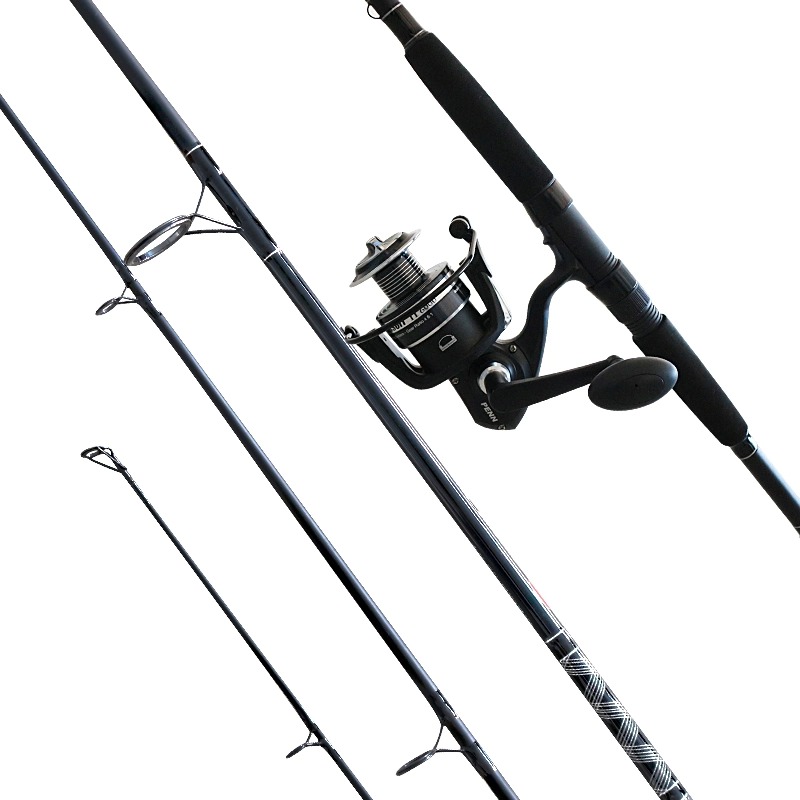
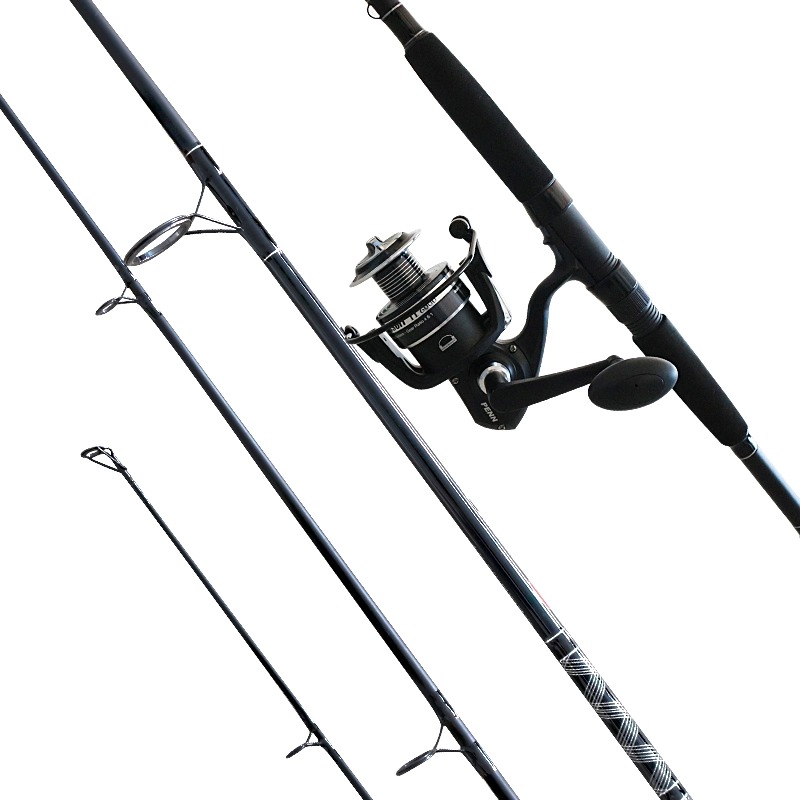
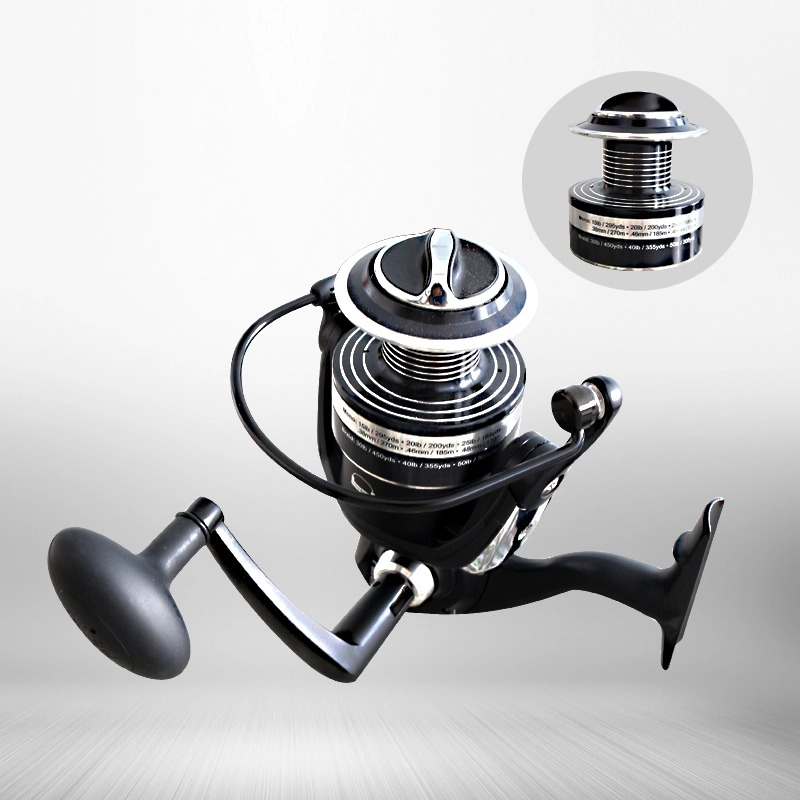
The spinning reel, also known as an open-face reel, is one of the most widely used and versatile types of fishing reels. Unlike the spincast, this reel has an exposed spool and a bail arm that controls line release. It is mounted below the rod and is known for providing exceptional casting distance and control.
Ideal for Intermediate Anglers
Spinning reels are preferred by intermediate to experienced anglers due to their flexibility. They can handle light to medium tackle and are suitable for both freshwater and saltwater fishing. Whether you're casting light lures for trout or targeting bass, a spinning reel can handle it all.
One of the main advantages of a spinning reel is its ability to cast lightweight baits with ease. The design minimizes line twist and offers better drag control, which is crucial when fighting fish. However, mastering a spinning reel requires practice, especially when learning to manually flip the bail and control the line flow.
Baitcasting Reels: Power and Precision
If you're looking to level up your fishing game, the baitcasting reel might be your next step. Unlike spinning reels, which are known for finesse, baitcasters are all about power and precision. They sit atop the rod and use a rotating spool that requires more skill to control, especially when casting.
Advanced Features for Serious Anglers
Baitcasting reels are favored for targeting large, strong fish such as pike, catfish, and bass. They provide superior drag systems and allow for heavy line use, which means they can withstand the tension of aggressive species. The braking system within a baitcaster lets experienced anglers adjust the reel’s settings to reduce backlash—a common issue where the line tangles during casting.
Although baitcasting reels offer unmatched accuracy and control, they are not recommended for beginners. Without proper technique, it's easy to end up with a "bird’s nest" of tangled line. For seasoned anglers, however, the baitcaster offers a rewarding and powerful experience.
Fly Reels: The Art of Fly Fishing
Fly reels belong to a completely different class of fishing gear. These reels are used in fly fishing, a technique that involves casting lightweight artificial flies using specialized weighted lines. Unlike other reels where the lure or bait provides the casting weight, in fly fishing, the line does most of the work.
Designed for Technique Over Power
Fly reels are simple in design—usually a single-action reel where one turn of the handle equals one turn of the spool. They don't have the complex gears or drag systems of other reel types, but they offer incredible balance and control. The focus in fly fishing is less about raw power and more about the angler’s ability to present a fly delicately on the water.
Fly reels shine in freshwater rivers and streams where anglers target species like trout or salmon. However, specialized fly reels for saltwater fishing do exist. These reels need to be corrosion-resistant and are typically larger to handle bigger fish and stronger currents.
Comparison Table: Quick Overview of Fishing Reel Types
| Type | Best For | Skill Level | Casting Distance | Target Species |
| Spincast | Beginners, Kids | Beginner | Short | Panfish, Crappie, Bluegill |
| Spinning | All-around freshwater/saltwater | Intermediate | Medium to Long | Bass, Trout, Walleye |
| Baitcasting | Heavy tackle, big fish | Advanced | Long with precision | Pike, Catfish, Large Bass |
| Fly Reel | Fly fishing in rivers/streams | Intermediate+ | Variable | Trout, Salmon, Bonefish |
FAQs About Fishing Reels
Q1: Which fishing reel is best for saltwater?
Spinning reels and baitcasting reels are best suited for saltwater fishing due to their corrosion-resistant designs and ability to handle stronger fish and currents.
Q2: What’s the easiest reel to use?
The spincast reel is hands-down the easiest to operate, especially for beginners and children.
Q3: Can I use a baitcaster if I’m new to fishing?
It’s possible but not recommended. Baitcasters have a learning curve and are best suited for anglers with some experience.
Q4: Do all reels require maintenance?
Yes, regular cleaning and proper storage are crucial for extending the life of any fishing reel, especially after saltwater exposure.
Conclusion
In the diverse world of angling, no single fishing reel fits all purposes. Each reel—spincast, spinning, baitcasting, and fly—is uniquely engineered to fulfill specific roles on the water. Whether you're a complete novice or a seasoned professional, choosing the right fishing reel can elevate your performance and enjoyment.

