
Author: Site Editor Publish Time: 2026-06-01 Origin: Site

You arrive at your favorite fishing spot, ready for an epic day. Suddenly, you realize the water looks like thick chocolate milk. A heavy overnight storm or a recent algae bloom has completely blown out the visibility. Your instinct might push you toward highly reflective or ultra-realistic patterns. You tie on a beautiful, intricately painted bait, hoping its lifelike scales will trigger a bite. Unfortunately, this strategy almost always fails when water clarity drops. Fish simply cannot see subtle details through thick sediment.
In low-visibility conditions, you need an evidence-backed, field-tested approach. We will provide a definitive decision framework to help you choose the right gear for stained and muddy water. You will learn exactly how fish hunt in the dark. We will show you which specific profiles guarantee strikes. This guide ensures your tackle box is optimized for catching fish rather than relying on pure guesswork.
Vibration over color: In murky water, a fish's lateral line (vibration detection) dictates the strike; color serves as the final visual confirmation.
The "Fog" Effect: Suspended particles scatter light. Highly reflective or translucent baits wash out, while solid, dark colors create an unmistakable silhouette.
The Two Winning Profiles: Tackle selection should be split into two strict categories for muddy water: High-Contrast Darks (Black/Blue) and High-Visibility Brights (Chartreuse/Neon Orange).
Bait-Type Dependency: Fast-moving reaction baits favor bright/shock colors, while slow-moving soft plastics require dark, bulky profiles to maximize outline.
Many anglers buy gear based on human aesthetics. We see a hyper-realistic crawfish pattern in the store and assume it will trick a fish. You must abandon this mindset when facing murky water. Biological and physical realities govern how fish feed in these conditions. Suspended mud, silt, and algae fundamentally change how light behaves below the surface.
Think about driving your car through dense fog. If you turn on your high beams, the light hits the moisture particles and bounces right back into your eyes. It creates a blinding white wall. Suspended sediment in water does the exact same thing to a highly reflective Fishing Lure. Metallic flash or translucent ghost patterns get completely lost in the glare of the particles. Expensive, detailed bait patterns become practically invisible.
Fish living in muddy water are not blind. They have evolved highly efficient sensory systems to survive. They rely on acoustic and vibration tracking first. Color only matters in the last few inches of the attack. They use it to lock onto the specific target. To catch more fish, you must memorize the lateral line prioritization pyramid. We rank the factors from most important to least important:
Vibration (Acoustics): The lateral line detects water displacement from far away.
Profile (Volume): The physical size and water resistance of the bait.
Color (Contrast): The visual silhouette used for the final strike phase.
Retrieve Speed: How fast the object escapes through the water column.
Always base your strategy on this hierarchy. You must move water first. You only worry about the paint job after you guarantee the fish knows the bait is present.
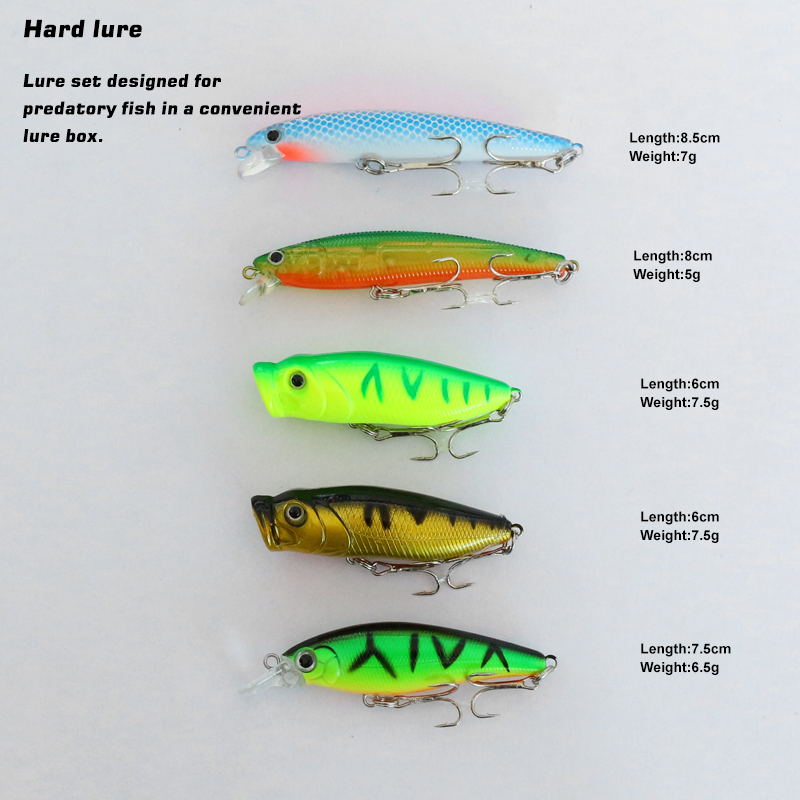
You can dramatically simplify your shopping experience by breaking your tackle down into two spectrums. When dealing with stained-to-muddy conditions, you only need to evaluate two strict categories. Forget the subtle natural greens, browns, and clear plastics.
This category relies on creating a hard, defining shadow. Black and dark blue absorb almost all light. When you pull a solid black bait through cloudy water, it projects a sharp silhouette against the lighter, illuminated water background above it. It creates maximum visual contrast.
Professional anglers follow a simple, age-old rule of thumb: "Reach for darker lures in dark water." This approach rarely fails. The top color codes you should keep in your box include Solid Black, Black and Blue, and Junebug. Junebug is a dark, metallic purple. It provides exceptional contrast in water tinted green by heavy algae blooms.
Sometimes you need to trigger a pure impulse strike from an aggressive fish. Fluorescent colors excel here. They punch right through the visual noise of muddy water. These neon shades capture whatever minimal UV light penetrates the surface and reflect it brightly.
These shocking colors work best when you want to surprise a predator. Top color codes for this category include Chartreuse (a striking neon green/yellow), Bright Orange, Solid White, and Firetiger. Firetiger combines bright green, yellow, and orange with black vertical stripes. It perfectly blends high visibility with strong contrast.
You cannot simply tie on a bright color or a dark color at random. The specific type of bait dictates which color category will perform best. You must align the bait's mechanical action with its visual profile. This alignment helps you shortlist exactly what to tie on during a difficult fishing day.
Hard baits rely heavily on aggressive water displacement. They thump, wobble, and flash. These fast-moving reaction baits trigger predatory instincts. Because they move quickly, fish only get a split second to see them. Therefore, you must lean heavily into bright colors.
A wide-wobble squarebill crankbait or a large Colorado blade spinnerbait provides intense vibration. You should pair this vibration with Chartreuse bodies, black backs, or bright orange bellies. The intense mechanical vibration calls the fish over. The flashing bright color gives them an immediate focal point to attack before the bait escapes.
Soft plastics and jigs serve a completely different purpose. You present them slowly. You crawl them along the bottom or pitch them into dense cover. Because they move slowly, fish have plenty of time to inspect them. Bright shock colors often look unnatural at slow speeds and can easily spook cautious fish.
For slow presentations, you must lean heavily into dark colors. Black-and-blue jigs paired with bulky trailers move enough water to be felt. Their dark profile creates a distinct, unmissable shape. Avoid translucent natural greens like standard watermelon. These natural tones completely blend into algae, mud, and bottom debris.
We can summarize this approach using the following comparison table:
| Bait Type | Primary Mechanics | Optimal Color Strategy | Top Color Examples |
|---|---|---|---|
| Squarebill Crankbaits | Fast wobble, loud rattles, deflecting off cover | Bright/Shocking (Reaction) | Chartreuse/Black Back, Firetiger |
| Spinnerbaits | Heavy thump, high water displacement | Bright/Shocking (Reaction) | White/Chartreuse skirt, Orange blades |
| Pitching Jigs | Slow bottom crawling, stealthy entry | Dark/Solid (Silhouette) | Black & Blue, Solid Black |
| Soft Plastic Craws | Subtle flappers, resting on the bottom | Dark/Solid (Silhouette) | Junebug, Black & Red Flake |
Buying dozens of different color variations quickly becomes expensive. Anglers constantly seek a versatile, high-confidence option. If you want a single, dominant color combination for muddy water, you need the "Black and Chartreuse" compromise. It remains an absolute standard on professional tournament trails.
This specific combination provides a massive synergistic effect. It perfectly satisfies both the silhouette and the reaction requirements simultaneously. You use a solid black body to establish a clear, hard-edged shadow in the dirty water. Then, you add a bright chartreuse tail or accent. This neon tip serves as a blazing focal point for the fish to strike.
However, pre-packaged baits often limit your options. You cannot always find your favorite soft plastic in this exact two-tone pattern. You should always carry scent-infused dye markers in your boat or bag. A garlic-scented chartreuse dye pen allows you to instantly customize your gear. You can dip the tails of dark soft plastics right on the water. It gives you an immediate visual upgrade while adding an attractive scent trail.
Even the best standard rules occasionally need adjustment. Environmental factors like cloud cover and water temperature drastically alter how colors appear below the surface. You must adapt your approach when facing specific edge cases on the water.
Overcast skies and thick clouds create low-light conditions. When you combine heavy clouds with muddy water, visibility drops to absolute zero. In these scenarios, you must push toward maximum darks. Tie on solid black baits to force the strongest possible silhouette. Do not rely on bright colors, as there is zero sunlight to illuminate them.
Conversely, direct sun on muddy water changes the game. Bright, opaque colors like solid white or chartreuse excel here. They capture and reflect whatever little sunlight manages to penetrate the top few inches of the water column. They stand out brilliantly just beneath the surface.
Cold, muddy water represents the absolute toughest scenario in fishing. Fish become lethargic. Their metabolism drops, and they refuse to chase fast-moving prey. In these harsh conditions, you must alter your strategy.
Adding bright red or neon orange accents becomes incredibly effective here. Cold temperatures naturally cause native crawfish to turn sluggish and take on red or orange hues. A lethargic predator instinctively recognizes this color as an easy, high-calorie meal that cannot escape. A subtle orange belly on a slow-moving bait can trigger a feeding response when nothing else works.
Use this decision matrix chart to quickly adjust to changing environmental conditions:
| Environmental Scenario | Light / Temp Condition | Recommended Color Adjustment | Primary Biological Reason |
|---|---|---|---|
| Heavy Overcast / Rain | Extremely Low Light | Shift to Solid Black | Maximizes silhouette when UV penetration is zero. |
| Mid-Day Direct Sun | High Top-Water Glare | Shift to Opaque White / Chartreuse | Reflects surface sunlight to trigger impulse strikes. |
| Early Spring / Winter | Cold Water (Under 50°F) | Incorporate Solid Red / Orange | Mimics sluggish, distressed crawfish behavior. |
| Heavy Algae Bloom | Green Tint / Warm Water | Shift to Junebug (Dark Purple) | Purple provides the highest contrast against a green background. |
Fishing successfully in murky water requires you to leave subtle, natural patterns at home. You must stop relying on human aesthetics. Instead, you need to trust the biology of the fish and the physics of light penetration. Prioritize vibration and profile to get their attention, then use extreme contrast to seal the deal.
Your next step is to perform a thorough audit of your tackle box. Ensure you carry wide-wobbling squarebill crankbaits in bright chartreuse and black. Stock up on heavy pitching jigs in dark black and blue. Finally, always pack a chartreuse dye pen. These simple adjustments will prepare you to conquer any low-visibility scenario you encounter on the water.
A: Both. It entirely depends on the specific bait presentation. Pros use bright, shocking colors for fast-moving reaction hard baits like crankbaits. Veterans use dark, solid colors for slow-moving soft plastics and jigs. The speed of the presentation dictates whether you need a quick flash or a solid silhouette.
A: Generally, no. Silver and gold metallic finishes rely entirely on light reflection to create a flash. In muddy water, suspended sediment blocks light penetration. Without sufficient light, metallic finishes cannot flash. They wash out and become nearly invisible compared to solid, opaque colors.
A: Red is the first color in the spectrum to lose its wavelength as water depth increases. However, in shallow, muddy water, light penetration is already chaotic. Under these specific conditions, solid opaque red or bright orange acts as a high-contrast trigger rather than disappearing into the background.
