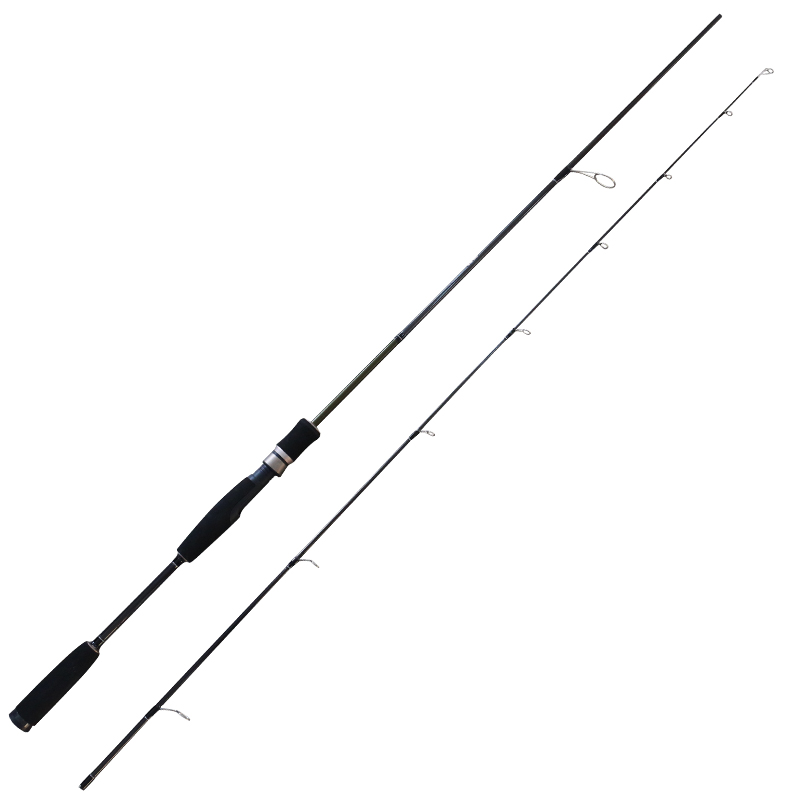
Mastering light-line trout fishing requires overcoming a distinct technical challenge. You must repeatedly cast highly technical 1/32 oz to 1/8 oz lures. You do this using incredibly thin 2–6 lb test lines. Mismatched rod specifications often lead to disastrous results on the water. A rod lacking proper flex snaps delicate lines during sudden strikes. It easily pulls treble hooks from soft mouths. Poorly matched gear severely reduces your casting distance. Navigating the crowded tackle market means seeing past generic marketing claims. We will provide a strict, specification-driven framework for evaluating your gear. You will learn exactly how to analyze power ratings. We decode rod action dynamics to help you choose the correct components. This guide gives you the precise metrics needed. You can confidently shortlist a dedicated rod tailored to your specific streams and rivers. Evaluating these core factors elevates your entire fishing experience.
Key Takeaways
- Light-line trout applications require a precise balance of low power (for lure loading) and forgiving action (for shock absorption).
- An ultralight trout rod is ideal for streams and micro-baits, while a "light" power rod scales better for larger rivers and heavier currents.
- Fast-action rods increase sensitivity but carry a higher risk of breaking 2lb–4lb test line during aggressive strikes compared to moderate-action rods.
- Premium component weight (specifically micro-guides) disproportionately impacts the performance of a light fishing rod compared to heavier bass tackle.
Evaluating Power Ratings: Ultralight vs. Light
Understanding power ratings requires defining specific solution categories. Power dictates the overall lifting strength of the rod blank. It determines the maximum lure weight you can effectively cast. Many anglers confuse power ratings when targeting trout.
The Ultralight Trout Rod Case
An ultralight trout rod serves a highly specialized purpose. It performs best using 2-4 lb line. You should pair it alongside 1/64 to 1/16 oz lures. These include micro-spinners, small jigs, and Trout Magnets. The soft blank loads perfectly under minimal weight. This allows you to flick tiny baits accurately.
However, ultralight models face distinct limitations. They struggle heavily in strong river currents. The flowing water creates drag on the lure. This drag causes the ultralight tip to bend constantly. You lose contact and sensitivity. Furthermore, an ultralight blank lacks the backbone needed for controlling unexpectedly large fish. Guiding a 20-inch trout away from tight cover becomes nearly impossible.
The Light Power Case
Light power models offer a step up in backbone. They perform optimally using 4-6 lb line. These rods handle 1/16 to 1/4 oz lures efficiently. Evaluation criteria should focus on scalability. A light power blank offers necessary scaling for wider rivers. It handles versatile techniques beautifully. You can easily cast small spoons or heavier inline spinners. The tip remains sensitive enough for bite detection. The lower section provides enough lifting power to fight river currents.
Addressing the "Medium-Light" Myth
Many buyers fall for the "Medium-Light" myth. They assume medium-light represents a safe middle ground. This assumption causes significant problems. Medium-light models are generally too stiff for true light-line trout fishing. The stiff blank prevents proper micro-lure casting. You simply cannot bend the rod enough to launch a 1/32 oz jig. This stiffness also increases line-break risks directly. Sudden strikes place immediate force on the rigid blank. The 2lb test line snaps before the rod flexes. Avoid medium-light ratings when fishing micro-baits.
Trout Rod Power Rating Comparison
| Power Rating | Ideal Line Class | Optimal Lure Weight | Best Environments | Primary Limitation |
| Ultralight (UL) | 2-4 lb | 1/64 to 1/16 oz | Small creeks, low flow streams | Struggles in heavy current |
| Light (L) | 4-6 lb | 1/16 to 1/4 oz | Medium rivers, lakes | May overpower micro-jigs |
| Medium-Light (ML) | 6-8 lb | 1/8 to 3/8 oz | Large open water, deep lakes | Too stiff for 2lb test lines |
Rod Action: Shock Absorption vs. Casting Accuracy
Rod action describes where the blank bends under pressure. This bending curve dictates your overall performance on the water. We must evaluate these dimensions based on features-to-outcomes.
Moderate and Regular Action
Moderate action rods bend deeper into the blank. They often flex down to the middle section. The primary outcome involves elite shock absorption. This deep bend protects delicate 2lb-4lb fluorocarbon. It protects monofilament from snapping during sudden headshakes. Trout fight erratically. They thrash and roll near the surface. A moderate rod acts like a bungee cord. It keeps treble hooks pinned firmly in soft tissue.
This design introduces specific tradeoffs. You sacrifice some casting accuracy. The deeper flex creates a wider casting loop. It makes pitching lures under low-hanging branches slightly harder. You also lose crisp hooksets. Single-hook jigs require more force to penetrate the jaw. A moderate blank absorbs some of this hook-setting power.
Fast Action
Fast action models bend primarily in the top third of the blank. The outcome is exceptional tactile sensitivity. You easily detect subtle bottom-bouncing bites. Fast action enables precise pinpoint casting in tight creek canopies. You can fire a lure into a small gap quickly. The tip recovers instantly after the cast.
The primary risk involves lost fish and broken gear. The stiff lower two-thirds offer minimal shock absorption. You must manually manage your reel drag perfectly. If your drag sticks, the fast action blank transfers all force to the line. The line snaps instantly.
Shortlisting Logic
We recommend a Moderate-Fast action as the safest baseline. It strikes an excellent balance. It provides enough tip speed for accurate casting. It retains enough mid-blank flex to protect light leaders. When evaluating a new trout spinning rod, seek this specific action. It serves most light-line anglers perfectly across varying environments.
Blank Materials and Construction Quality
The materials forming your rod blank define its physical behavior. Manufacturers use various composites to achieve different results. Understanding these materials prevents you from falling for marketing traps.
Graphite and Carbon Fiber
Graphite dominates the modern tackle market. Its pros include incredibly high sensitivity. It boasts a rapid recovery rate. Carbon fiber blanks feel extremely lightweight in your hand. You can feel every pebble your lure strikes.
The cons require careful consideration. Graphite can be brittle under specific stresses. High-modulus graphite snaps easily if you high-stick a fish. The fast recovery rate presents another issue. It can sometimes tear small hooks out of soft trout mouths during violent thrashes. The material lacks the inherent dampening qualities found in older materials.
Fiberglass and Composites
Fiberglass remains relevant for specific trout applications. The pros center around superior durability. Fiberglass can take a beating on creek rocks. It possesses an inherent moderate action. This makes fiberglass ideal for treble-hook lures like small crankbaits or spinners.
The cons involve physical comfort and performance limits. Fiberglass carries a heavier physical weight. You will experience reduced tactile sensitivity. You might miss subtle strikes from lethargic winter trout. Modern composites blend graphite and fiberglass. They attempt to combine sensitivity and durability into one package.
Trust and Evidence Check
Many brands push proprietary "tonnage" marketing metrics. They heavily advertise 30-ton or 40-ton carbon blanks. Avoid over-indexing on these numbers. Higher tonnage simply means stiffer material. It does not automatically equal a better trout fishing experience. Focus your evaluation on the resin-to-carbon ratio. Look at how the material dictates actual flexibility under load. A well-designed 24-ton blank often outperforms a poorly tapered 40-ton blank. A lower modulus carbon blank often provides superior line protection.
Component Specifications: Guides, Handles, and Length
Small details matter immensely in light tackle. The components attached to the blank influence the final performance heavily. Selecting the wrong guides or handles ruins an otherwise excellent blank.
Length-to-Environment Matrix
Scalability depends entirely on your fishing environment. Use this matrix to match rod length to your specific waterways:
- 5’0” to 5’6”: Specialized strictly for brush-choked creeks. Excellent for bow-and-arrow casts. They navigate dense vegetation easily.
- 6’0” to 6’6”: The universal shortlisting standard. Perfect for general wading and shore fishing. They balance casting distance and control perfectly.
- 7’0”+: Designed specifically for open lake fishing. Excellent for managing float rigs. They maximize casting distance across wide rivers.
Guide Train Impact
The guide train directs your line during the cast. Heavy guides ruin an ultralight rod blank completely. Extra weight on the tip causes severe "tip bounce". After you cast, the heavy tip wiggles excessively. This bounce tangles light line effortlessly. It creates wind knots. It kills casting momentum.
You must evaluate the guide materials carefully. Look for Fuji Alconite, SiC, or ultra-lightweight proprietary guides. These materials reduce physical weight significantly. They dissipate heat effectively when a fish runs. High-quality guides keep a light fishing rod crisp and responsive. Poor guides make the same rod feel sluggish.
Handle Design
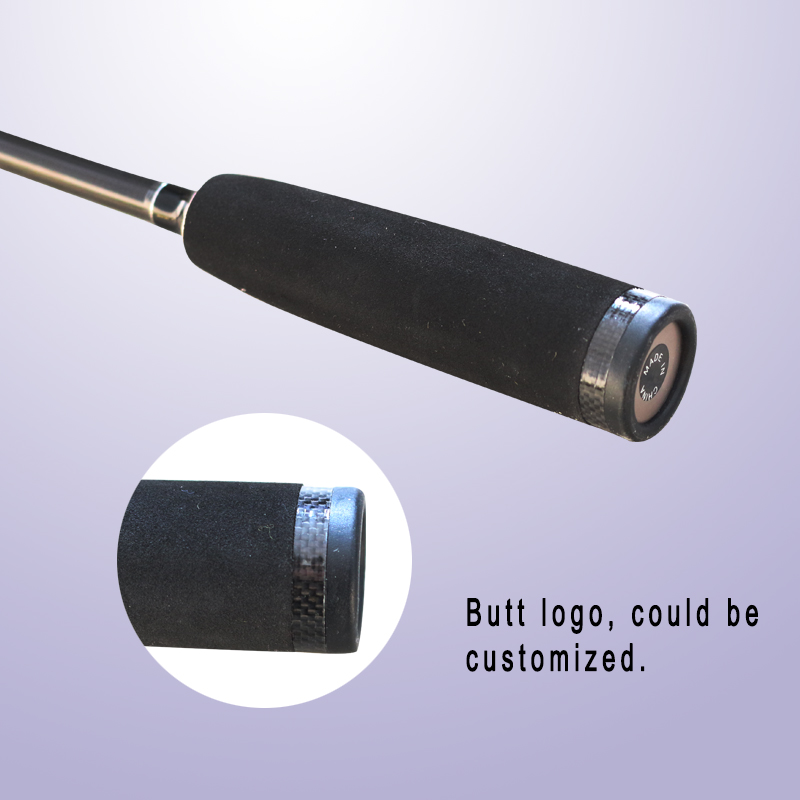
Handle design heavily impacts your stamina. You must choose between Cork and EVA foam. Cork offers traditional aesthetics. It retains warmth during cold winter sessions. EVA foam provides extreme durability. It cleans easily but lacks the premium feel of high-grade cork.
Consider the grip layout carefully. Split-grip handles reduce overall weight. Full-grip handles offer more hand placement options. For any lightweight setup, the rod must balance precisely at the reel seat. You will test this by placing one finger directly under the reel. A balanced rod floats horizontally. Proper balance minimizes wrist fatigue during long wading sessions.
Implementation Risks: Mismatched Rod and Reel Setups
Purchasing premium gear guarantees nothing if you match components poorly. System integration determines your success rate. A high-end Trout Rod underperforms drastically if paired incorrectly. You must treat your rod, reel, and line as a single interconnected system.
Reel Sizing
Reel sizing dictates system balance. Pair UL or L power rods alongside 1000 or 2000-size spinning reels. These smaller reels match the physical weight of light blanks. They hold plenty of thin diameter line.
Some anglers mistakenly attach 2500+ size reels. A larger reel adds unnecessary weight to the rear. It ruins the balance point instantly. More importantly, large reels feature wider spools. A wide spool throws larger loops of line during a cast. These large loops crash violently into small stripping guides. This creates severe line coil issues. The friction reduces your casting distance drastically.
Line Choice Limitations
Your main line interacts directly with rod action. Many modern anglers prefer braided line. Braid offers zero stretch. It cuts through water easily. Running straight braided line on a fast-action graphite rod creates a critical risk. You eliminate all stretch from the entire system. When a trout strikes aggressively, something must give. If the rod refuses to bend and the line refuses to stretch, you suffer gear failure. You will bend hooks or tear mouths. You lose fish constantly.
Always implement best practices regarding leaders. Tie on a nylon or fluorocarbon leader. A three-foot fluorocarbon leader restores essential shock absorption to the system. It remains invisible to wary fish. It provides a tiny buffer of stretch. This protects your knots and secures your catch.
Conclusion
Selecting the best gear for light line applications requires prioritizing specific mechanical traits. You must secure a forgiving action to protect delicate lines from sudden impacts. You must pair this action alongside the correct power rating. This ensures you can load micro-lures efficiently without overpowering them. A specification-driven approach eliminates marketing noise. It guarantees your setup performs flawlessly under real-world pressure.
Take immediate action by auditing your primary fishing environment today. Analyze whether you fish brush-choked creeks or expansive lakes. Review the standard lure weights sitting in your tackle box. Use these exact parameters to determine your ideal rod length and power rating. Making an informed choice based on these metrics ensures greater accuracy, fewer broken lines, and a significantly higher landing ratio on the water.
FAQ
Q: Can I use a panfish rod for trout fishing?
A: Yes, crossover is possible but carries risks. Panfish rods often feature stiffer fast-action tips designed specifically for vertical jigging. Dedicated trout models favor progressive, moderate tapers. These tapers handle inline spinners and treble hooks much better. Using a stiff panfish rod might result in pulled hooks during aggressive trout headshakes.
Q: What is the best rod length for a 2lb test line?
A: Focus primarily on 6'0" to 7'0" moderate-action models. You need adequate rod length to distribute pressure evenly. Longer rods maximize shock absorption effectively. They act as a long buffer to protect ultra-thin lines from snapping. Shorter rods lack the necessary blank material to absorb violent strikes safely.
Q: Does a fast-action rod cast further?
A: Not necessarily. The physics change for micro-lures. A slower action actually casts ultralight lures further. The rod loads deeper into the blank under minimal weight, storing kinetic energy. A fast-action rod requires heavier lures to bend properly. If the lure is too light, the stiff blank reduces casting distance severely.

