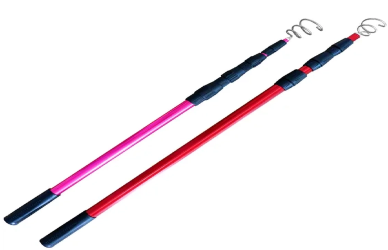
Boat fishing is a popular method that allows anglers to access deeper waters and target a wide range of fish species. Whether you’re fishing from a small boat or a larger vessel, the right equipment is essential for success, and one of the most important pieces of gear is the fishing rod. The length of the rod plays a key role in how effectively you can cast, reel in fish, and navigate tight spaces on the boat.
Shorter rods are typically easier to handle in confined spaces, offering greater accuracy and control for fishing near the boat or in smaller areas. On the other hand, longer rods provide greater casting distance and are better suited for situations that require more leverage and power, especially when targeting larger fish or using specific fishing techniques. Understanding the benefits of both rod lengths will help you choose the ideal setup for your fishing style and conditions.
Advantages of Shorter Rods for Boat Fishing
Shorter rods offer a variety of advantages when fishing from a boat, especially in tight or restricted spaces. Here’s a more detailed look at why they’re often the ideal choice for boat fishing:
1.Maneuverability: Easier to Handle in Tight Spaces
Maneuverability is one of the most important benefits of shorter rods, typically ranging from 6' to 6'6". When fishing from a boat, space can be limited, making it challenging to manage longer rods. Shorter rods are much easier to handle in confined spaces, such as small boats, kayaks, or when fishing in areas with heavy cover. Their compact size allows for quick, precise movements and easier management of the rod while fishing.
Lightweight and easy to maneuver, these rods are ideal for anglers who need to make multiple casts or work in narrow spots without feeling fatigued. The reduced length also minimizes the chance of the rod getting caught in obstacles like boat rails, fishing gear, or the boat itself.
2.Accuracy: More Control When Casting or Fishing in Confined Areas
Shorter rods give anglers greater accuracy and control when casting, particularly in confined spaces. In situations where you need to fish close to the boat, such as near docks, submerged structures, or around weeds, the ability to make precise casts is essential. Short rods provide better control over where your bait lands, ensuring that you can place your lure exactly where you want it without the risk of tangling or losing control of the cast.
For techniques like finesse fishing or casting into tight pockets, shorter rods excel in delivering delicate presentations without disturbing the water or spooking the fish. Their compact size allows you to work the bait in small areas with great precision, increasing your chances of attracting fish.
3.Strength for Close-Range Fishing: Effective for Quick Hook Sets and Fishing Near the Boat
Shorter rods provide more leverage when setting the hook, which is especially valuable when fishing in close-range scenarios. They allow for a quick hook set, which is crucial when fish strike rapidly, as is often the case with bass or panfish in shallow water. The power of the rod is focused closer to the handle, providing more control for immediate hook-setting and reducing the risk of fish throwing the hook.
These rods are particularly effective for techniques that require a quick response, such as jigging or drop-shot fishing, where the hook set needs to be quick and strong. Moreover, the increased backbone strength of shorter rods allows anglers to handle fish near the boat with confidence, especially when they are close to structures or in dense cover.
Advantages of Longer Rods for Boat Fishing
Longer rods offer distinct advantages when fishing from a boat, especially in open water or when targeting larger fish. Here’s a closer look at why longer rods are often the preferred choice for certain types of boat fishing:
1.Casting Distance: Longer Rods Allow for Farther Casts, Useful for Open Water Fishing
Casting distance is one of the most notable advantages of longer rods. Rods that range from 7 feet to 8 feet or more provide the ability to cast longer distances, which is particularly useful when fishing in open water. With a longer rod, you can cover more water, increasing your chances of reaching fish in areas that are farther from the boat.
In situations where fish are spread out across a larger body of water or when you need to cast beyond structures like weed beds or shallow areas, a longer rod allows you to make accurate and powerful casts that reach distant fish.
2.Leverage and Power: Ideal for Larger Fish or Situations Requiring More Power to Reel in Fish from a Distance
Longer rods provide increased leverage and power, making them perfect for larger fish or deep-water fishing. The extra length allows for better control when fighting fish, especially when reeling in from a longer distance. This is especially useful when fishing for larger species like tuna, pike, or striped bass, which require more strength to land.
The increased rod length gives you greater power transmission from your reel to the fish, enabling you to manage larger catches and fight them more effectively. This added leverage helps you maintain control even when the fish is farther away from the boat.
3.Versatility: Better for Handling a Variety of Lures and Fishing Techniques
Longer rods offer versatility, allowing you to handle a wide range of lures and fishing techniques. They are ideal for techniques like casting crankbaits, spinnerbaits, or topwater lures, as the extra length provides the flexibility needed to manage larger, heavier lures.
With a longer rod, you can also more easily handle various fishing techniques, such as trolling or casting from a distance. The added length gives you the ability to execute long, controlled casts, making it easier to cover larger areas and experiment with different baiting methods.
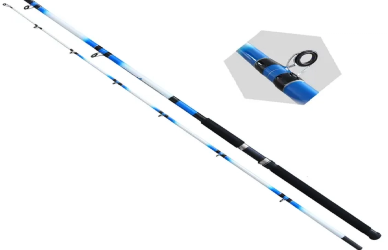
How to Choose Between a Shorter or Longer Rod
Choosing the right rod length for boat fishing depends on your boat type, fishing technique, target species, and space constraints. Here’s a simplified guide to help you decide between a shorter or longer rod:
1.Factors to Consider
Boat Type:
Small Boats or Kayaks: A shorter rod (6’ to 6’6”) is easier to maneuver in tight spaces and better for casting in confined areas.
Larger Boats: In larger boats, longer rods (7’ to 8’) provide greater casting distance and power, ideal for deep water or larger fish.
Fishing Technique:
Accuracy: Short rods are great for topwater fishing or finesse techniques where control and precision are key.
Casting and Trolling: Longer rods (7’+) help with casting distance and are useful for trolling or fishing in open water.
Target Species:
Smaller Fish (Bass, Panfish): A shorter rod is best for quick hook sets and small lures.
Larger Fish (Pike, Tuna): A longer rod provides the power and leverage to handle bigger fish and longer casts.
Space Constraints:
2.Suggestions for Beginners vs. Experienced Anglers
For Beginners:
Start with a 6’6” to 7’ medium power rod, offering versatility for various fishing techniques. It’s easier to handle and ideal for learning.
For Experienced Anglers:
Consider using multiple rods: a shorter rod for precision, a medium rod for general use, and a longer rod for deep water or trolling.
FAQ (Frequently Asked Questions):
1.What is the ideal rod length for boat fishing?
The ideal length for boat fishing typically ranges from 6’ to 7’ depending on your fishing technique and available space.
2.Are shorter rods better for bass fishing on a boat?
Yes, shorter rods (6’ to 6’6”) are great for bass fishing as they offer better control and accuracy when fishing from a boat.
3.Can a longer rod be used for fishing in tight spaces on a boat?
Longer rods can be used, but they may be harder to maneuver in tight spaces. Shorter rods are usually better for confined areas.
4.What type of fishing technique requires a longer rod on a boat?
Techniques like casting long distances or targeting large fish are better suited for longer rods (7’ and above) for added power and reach.
Conclusion
In conclusion, the decision to choose a shorter or longer rod for boat fishing depends on various factors such as boat size, fishing technique, target species, and space available on the boat. Shorter rods (6' to 6'6") are perfect for fishing in tight spaces, offering better maneuverability and accuracy, making them ideal for fishing near the boat or in shallow waters. These rods are excellent for quick hook sets and finesse techniques where precision is key. On the other hand, longer rods (7' to 8') provide greater casting distance, leverage, and power, making them well-suited for open water fishing or when targeting larger fish. Longer rods allow for longer casts and give more control when fighting larger fish at a distance.
For beginners, it’s a good idea to start with a versatile rod around 6’6” to 7’, which works well for most techniques. As you gain experience and become familiar with different fishing methods, consider gradually expanding your rod collection. You can add rods that are specialized for specific techniques like crankbaits, spinnerbaits, or finesse fishing, which will help you improve your fishing efficiency. By building your rod collection based on your fishing preferences and the techniques you enjoy most, you'll be well-prepared for a variety of fishing conditions and species.

