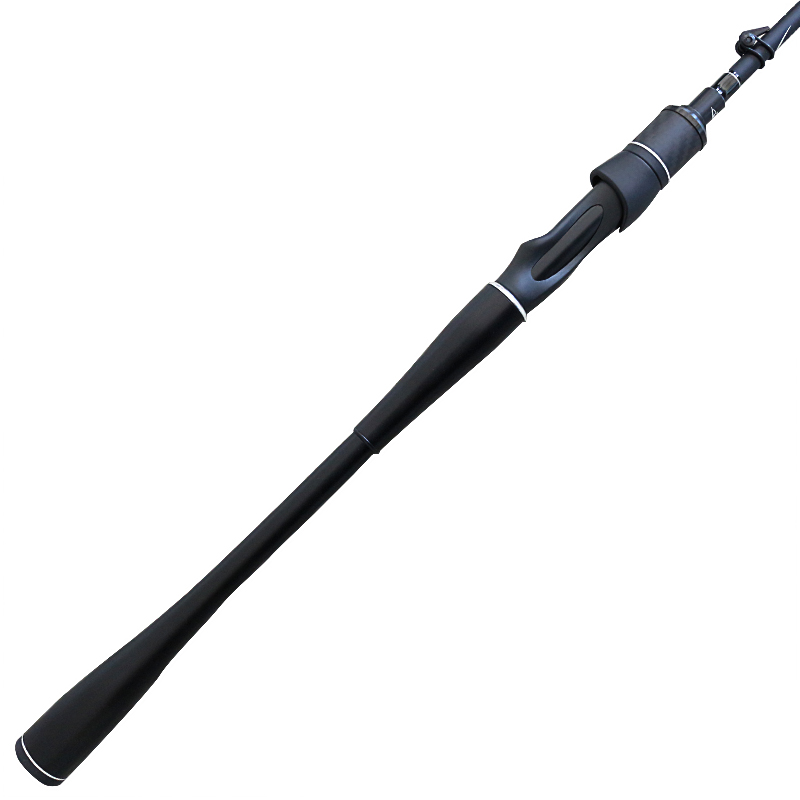
Matching a Fishing Rod with the right reel is one of the fastest ways to improve casting performance, bite detection, hook-setting consistency, and overall comfort. Many anglers buy a Fishing Rod first and “make any reel work,” but when the reel size, weight, spool design, drag system, and gear ratio don’t match the Fishing Rod’s power, action, and intended lure range, the combo feels unbalanced. That imbalance can reduce casting distance, cause fatigue, and even increase line problems. The good news is that pairing a Fishing Rod with the right reel follows clear rules. Once you understand those rules, you can build a Fishing Rod setup that feels smooth and effortless instead of awkward.
Start with the simplest rule: Fishing Rod type must match reel type
Your first pairing decision is non-negotiable: the reel must match the Fishing Rod style.
Why this matters: the guides and reel seat are designed around the reel’s line path. If you mismatch, line will slap the blank, twist badly, and casting becomes frustrating. Beginners sometimes try to “force” a reel onto the wrong Fishing Rod, but it almost always reduces performance.
Balance is everything: the Fishing Rod and reel must feel like one tool
Even if the reel physically fits, a poorly balanced combo will make your Fishing Rod feel tip-heavy or butt-heavy. Balance is not just comfort—it influences casting accuracy and wrist fatigue.
A quick balance test for your Fishing Rod setup
Mount the reel on the Fishing Rod.
Hold the Fishing Rod at the point where your index finger naturally rests on the reel seat.
The Fishing Rod should balance near that point or slightly forward.
If the tip drops hard, the reel is too light or the Fishing Rod is too long/heavy for that reel.
If the butt drops, the reel is too heavy.
Modern carbon fiber Fishing Rod blanks are lighter, which is great—but it also means reel weight has a bigger influence on balance. On ultra-light blanks, an oversized reel can make the combo feel clunky, while a tiny reel can feel “nervous” and less stable.
Match reel size to Fishing Rod length and power
Reel sizing varies by brand, but spinning reels commonly use a numbering system like 800, 1000, 2000, 2500, 3000, 4000, and so on. A simple approach is to match reel size to the Fishing Rod’s typical line and lure range.
Practical size matching guide (spinning)
Light/short Fishing Rod (finesse, small fish): 800–2000
Medium all-around Fishing Rod: 2000–3000
Medium-heavy Fishing Rod or inshore saltwater: 3000–4000+
This works because longer or more powerful Fishing Rod builds are usually paired with heavier line, larger lures, and stronger fish, which benefit from larger spools and stronger drag.
Why spool size matters for a Fishing Rod combo
A larger spool generally:
Reduces line memory and improves line flow
Can increase casting distance (especially with mono/fluoro)
Holds more line for long runs
Often supports stronger drag systems
A smaller spool generally:
Weighs less (better for ultralight Fishing Rod setups)
Offers finer control for light lines
Keeps the combo compact for tight spaces or travel
Choose the right drag system for your Fishing Rod power and target fish
Drag is a major performance “safety net” on any Fishing Rod combo. If you fish light line, drag protects you from break-offs. If you fish strong cover or bigger species, drag must stay consistent under load.
A beginner-friendly pattern is to prioritize a smooth, consistent drag such as multi-disc drag. A smooth drag helps the Fishing Rod load properly during surges instead of snapping line or pulling hooks loose. It also makes it easier to use a lighter-power Fishing Rod without losing fish.
Drag matching guidelines
Light Fishing Rod + light line: drag smoothness matters more than max strength
Medium Fishing Rod: balanced drag strength and smoothness
Medium-heavy Fishing Rod + saltwater or strong fish: stronger drag with consistent output
Bearings, smoothness, and retrieve: what matters most for a Fishing Rod pairing
Many reels advertise bearing counts. While “more bearings” isn’t always “better,” a reel with 5+1 ball bearings is often marketed as a smoother, more stable retrieve—useful for beginners who want a combo that feels easy and controlled. Smooth retrieve also helps techniques that require steady cranking, and it reduces the feeling of resistance that can make a Fishing Rod feel heavier than it is.
What to look for beyond bearing count
Strong, stable handle connection (reduces wobble)
Smooth line roller (reduces twist)
Even line lay on spool (reduces wind knots)
Consistent drag engagement under load
Gear ratio and technique: match speed to how you fish your Fishing Rod
Gear ratio determines how much line you pick up per handle turn. For pairing a reel to a Fishing Rod, think about your most common presentations:
Slow presentations (bottom rigs, live bait, some finesse): moderate gear ratio is comfortable
Moving baits (spinners, swim baits): slightly faster gear ratio keeps pace
Fast applications (topwater burn, quick pickups, jig slack control): higher gear ratio helps manage slack
A reel that’s too fast can make beginners retrieve too quickly. A reel that’s too slow can make it hard to pick up slack after a cast, reducing hook-setting efficiency on a Fishing Rod.
Line choice matters more than most anglers think
Matching line type and strength to your Fishing Rod and reel pairing prevents the most common issues: tangles, casting problems, and break-offs.
Spinning reel + Fishing Rod line notes
Braided line casts easily but can slip on the spool without backing
Mono/fluoro can have memory; larger spools help reduce coils
Light line pairs best with lighter-power Fishing Rod setups
Casting reel + Fishing Rod line notes
Thicker lines can reduce backlash for beginners
Too-light line can dig in or break during backlashes
Match line strength to Fishing Rod power and lure weight
Modern gear trends that change Fishing Rod and reel pairing decisions
Today’s market has shifted toward lighter, stronger, and more portable fishing setups. That affects pairing.
Lightweight blanks: carbon fiber and high modulus options
A carbon fiber Fishing Rod can be incredibly light and sensitive. That makes reel selection more noticeable: small changes in reel weight affect balance more. The solution is not always “bigger reel,” but “right-sized reel plus good drag.” A smooth drag like multi-disc drag can let you use a lighter combo while still fighting fish confidently.
Travel and storage: telescopic convenience
A telescopic Fishing Rod is popular for travel and quick trips. When pairing a reel to a travel Fishing Rod, prioritize:
Compact reel size that fits the travel purpose
Strong bail/line management (spinning)
Durable components that can survive transport
Protection in a carry box to reduce damage
Saltwater readiness: corrosion resistance becomes essential
If you fish saltwater, reel and Fishing Rod pairing must include durability features:
stainless steel guides help resist corrosion and wear
ceramic inserts reduce friction and protect line
anodized aluminum spool improves corrosion resistance and durability
Regular rinsing and drying after trips extends lifespan
For saltwater, it’s smart to treat corrosion resistance as part of the pairing decision, not an “extra.”
Data comparison table: which reel features match which Fishing Rod setup?
| Fishing goal | Suggested Fishing Rod style | Reel size trend | Key reel features | Component priorities |
| Beginner all-around | Spinning Fishing Rod | 2000–3000 | Smooth drag (multi-disc drag), smooth retrieve (5+1 ball bearings) | Comfort grip like EVA foam grip, solid guides |
| Light finesse | Spinning Fishing Rod | 800–2000 | Light spool control, smooth drag | carbon fiber blank for sensitivity |
| Cover and heavier lures | Casting Fishing Rod | (brand varies) | Strong drag, stable spool control | Strong backbone Fishing Rod power |
| Travel kit | Spinning Fishing Rod | 1000–2500 | Compact, reliable line management | telescopic, protective carry box |
| Inshore / coastal | Spinning Fishing Rod | 3000–4000+ | Corrosion resistance, strong drag | saltwater parts like anodized aluminum spool, stainless steel guides, ceramic inserts |
| Surf / heavy payload | Surf-style Fishing Rod | Larger | Strong drag, durable spool | Match heavy payload like lure weight 120g-180g with correct Fishing Rod power |
Step-by-step: pair a Fishing Rod with the right reel in 5 steps
Identify your Fishing Rod type: spinning or casting.
Choose a reel size that balances the Fishing Rod (test at the reel seat).
Match reel drag to line strength and fish size; prioritize multi-disc drag for smoothness.
Pick a gear ratio that fits your main technique (slow vs fast presentations).
Confirm durability for your environment: saltwater use needs corrosion-resistant parts like anodized aluminum spool, plus stainless steel guides and ceramic inserts on the Fishing Rod.
FAQs
How do I know what reel size matches my Fishing Rod?
Start with balance. Mount the reel and see whether the Fishing Rod balances near the reel seat. Then confirm line capacity and drag strength fit your target fish. As a general guide, smaller Fishing Rod setups match smaller reels (800–2000), and medium or longer Fishing Rod setups match mid reels (2000–3000).
Is a spinning reel always better for beginners on a Fishing Rod?
For most beginners, yes. A spinning reel on a spinning Fishing Rod is easier to cast and has fewer severe tangles than baitcasters. Once you gain confidence, you can add a casting Fishing Rod combo for accuracy and heavier lures.
What reel features matter most when pairing with a Fishing Rod?
Smooth drag (multi-disc drag) and stable retrieve (often marketed as 5+1 ball bearings) matter a lot. Good line management and consistent drag engagement make the Fishing Rod feel easier to control, especially when fish surge.
Can I use the same reel on different Fishing Rod lengths?
Sometimes, but balance and line capacity can change dramatically. A reel that feels perfect on a short Fishing Rod may feel too light on a longer Fishing Rod. Also, the line range and lure range may not match the new Fishing Rod power.
What should I prioritize for saltwater Fishing Rod and reel pairing?
Corrosion resistance and durability. Choose reels with corrosion-resistant components like an anodized aluminum spool, and pair them with a Fishing Rod that uses stainless steel guides and ceramic inserts. Rinse after saltwater use.
Does a telescopic Fishing Rod change what reel I should choose?
A telescopic Fishing Rod mainly changes portability needs. Many anglers choose a more compact reel to keep the travel kit lightweight. Still, you must match reel size, drag, and line to the Fishing Rod’s intended power and lure range.

