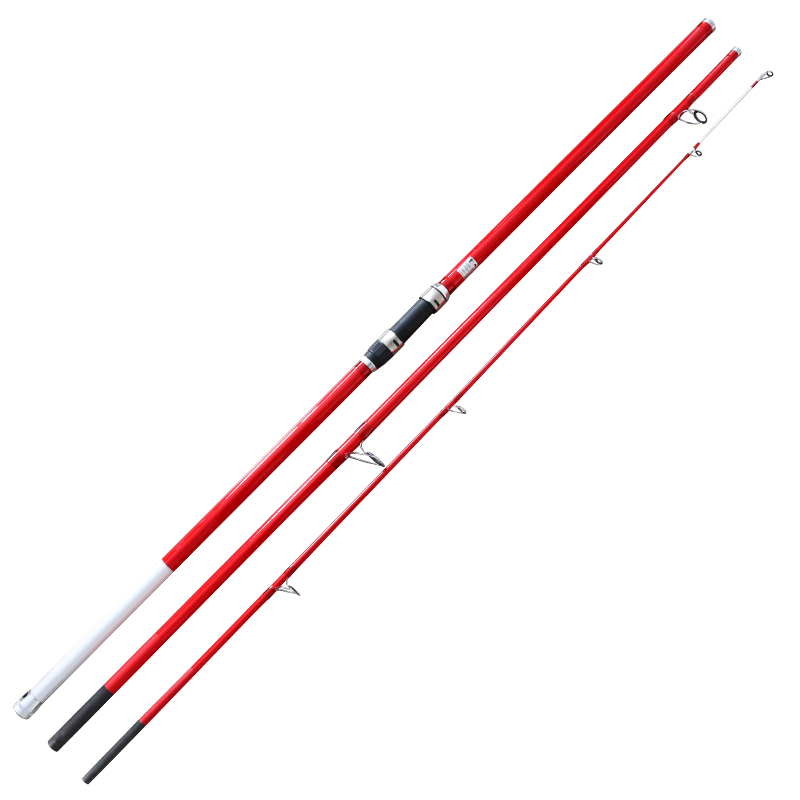
Treating your gear simply as a functional tool ignores its true value. A quality Fishing Rod functions as a high-yield investment requiring active asset protection. Without proper daily care, you risk losing an expensive piece of equipment to entirely preventable wear and tear.
The reality of outdoor environments presents a constant threat to your setup. Environmental exposure from harsh UV rays, corrosive salt, and abrasive dirt accelerates structural degradation. Over time, these natural elements diminish performance outcomes and lead to catastrophic hardware failures during critical moments.
This guide outlines standardized, evidence-based maintenance protocols to protect your investment. You will learn actionable strategies to delay material fatigue and secure structural integrity. We cover everything from immediate post-trip cleaning to component-specific inspections, ensuring your gear operates reliably over multiple seasons.
Key Takeaways
- Routine beats intervention: A strict 5-minute post-trip wipe-down prevents 90% of micro-abrasion and hardware corrosion.
- Material dictates protocol: High-modulus graphite requires different impact-protection strategies compared to a heavier fiberglass fishing rod.
- Storage matters most: Improper off-season storage (e.g., tension-loaded or leaning in high-heat areas) causes irreversible blank warping.
- Component triage: Guide rings and reel seats are the highest-risk failure points; visual and tactile inspections should prioritize these areas.
The Mechanics of Rod Degradation (Why Rods Fail Early)
Most anglers view a snapped blank or a jammed reel seat as a sudden accident. Industry professionals know better. These structural failures rarely happen overnight. They stem directly from cumulative maintenance deficits.
Saltwater environments pose a unique, aggressive threat to your equipment. Salt crystallization acts like tiny wedges. When saltwater dries, microscopic salt crystals expand inside tiny crevices. This expansion compromises protective epoxy coatings. It also locks up threaded components on your reel seat, rendering them useless.
Physical stress adds another layer of unseen damage. Microscopic grit and sand easily stick to your wet line. When you cast or fight a fish, this grit acts like fine sandpaper. It grinds against the blank and the delicate ceramic inserts under high friction. Over time, this constant erosion creates weak points prone to snapping.
You can mitigate these risks through routine care. A successful maintenance routine yields specific, measurable outcomes. You want to achieve consistent blank sensitivity. You aim for absolute zero guide-ring friction. You must maintain fluid, effortless reel-seat operation. Ignoring these underlying mechanics ensures your gear will fail exactly when you need it most.
The Standard Post-Trip Cleaning Protocol
Effective cleaning does not require harsh, material-degrading chemicals. A universal baseline exists to keep your gear in peak condition. You only need mild soap, clean water, and a soft cloth. Industrial solvents strip protective coatings and weaken the vital resins binding the fibers together.
Water type dictates your immediate approach. Freshwater and saltwater environments introduce distinctly different contaminants to your setup.
- Freshwater Realities: You must focus on removing organic matter. Algae, suspended silt, and mud cling stubbornly to the blank. Wash the gear using lukewarm water and mild detergents. Wipe it down gently to remove any organic residue.
- Saltwater Realities: Salt demands immediate action. Require an immediate low-pressure freshwater flush. You must dissolve salt deposits before crystallization occurs. Do not wait until you get home if a rinse station is available at the dock.
Drying protocols are just as critical as the washing phase. Emphasize complete air-drying in shaded areas. Avoid direct sunlight during the drying process. Trapped moisture quickly degrades natural cork grips. It also promotes hidden galvanic corrosion under metal trim bands.
Risk mitigation plays a huge role here. Advise strongly against high-pressure hoses. High water pressure drives abrasive particles deeper into reel seats. It forces grit firmly under the guide feet. A gentle shower setting provides the safest cleaning method.
Follow this standard cleaning sequence after every outing:
- Rinse lightly with low-pressure fresh water to remove loose debris.
- Apply a mild detergent solution using a soft sponge.
- Rinse again thoroughly to eliminate all soap residue.
- Pat the equipment dry using a clean microfiber towel.
- Air-dry completely in a cool, well-ventilated, shaded area.
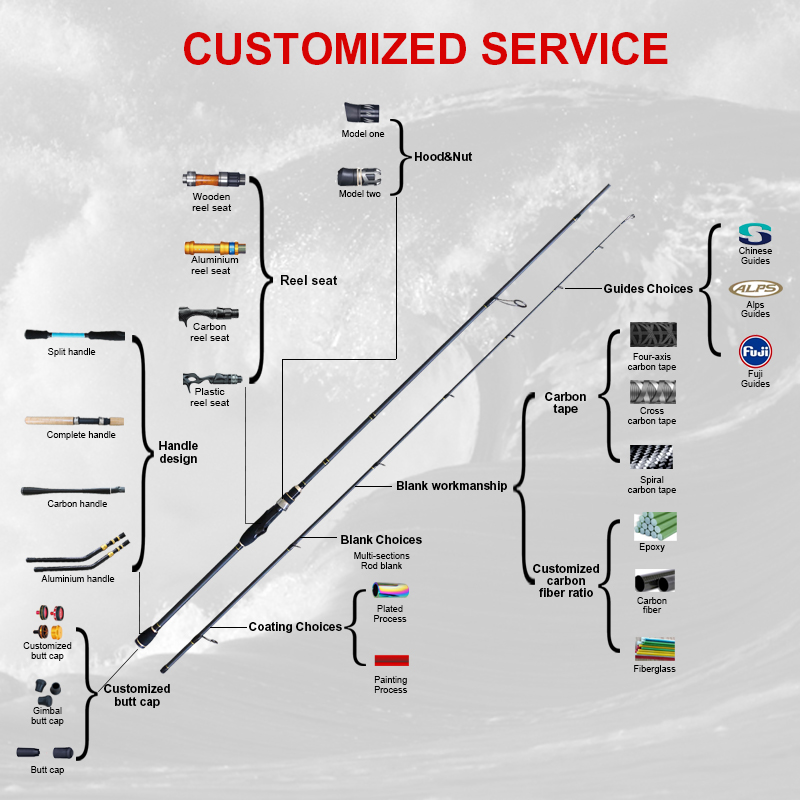
Component-Specific Inspection and Care Strategies
Evaluating the health of individual components helps you preempt catastrophic failure during a heavy catch. Visual and tactile inspections reveal hidden damage long before it breaks your line.
Line guides and ceramic inserts demand intense attention. They endure severe friction on every cast. Ceramic inserts frequently chip or crack. Conduct the "Cotton Swab Test" regularly. Run a dry cotton swab around the inner ring of each guide. If the swab catches or leaves fibers behind, you have a microscopic crack or burr. These tiny burrs will aggressively shred your line under tension. Additionally, closely check the epoxy coatings on the guide feet. Look for white lines or flaking, which indicate dangerous stress fractures.
Reel seats and threads require mechanical care. Sand and dried salt easily jam these moving parts. Use soft-bristled brushes, like an old toothbrush, to clear threads of debris. Work the bristles deep into the grooves. Afterward, apply marine-grade, non-petroleum lubricants sparingly to the threading. Never over-lubricate, as excess grease inevitably attracts more dirt.
Handle and grip restoration keeps your hands comfortable and secures your hold on the equipment.
- Cork Grips: Clean these using specialized cork soaps. Once a season, carefully use fine-grit sandpaper to restore the original smooth texture. Follow this immediately by applying a dedicated cork sealant to prevent drying and cracking.
- EVA Foam: Avoid all solvents. Use mild degreasers to remove hand oils and sticky fish slime. Gentle cleaning removes grime without breaking down the foam's natural elasticity.
Material Considerations: Graphite vs. a Fiberglass Fishing Rod
Blank composition dictates your overall care strategy. Material realities determine how you protect the structural integrity of your gear.
Consider the classic fiberglass fishing rod. These models boast exceptional durability and impact resistance. They handle heavy loads and rough boat rides exceptionally well. However, they suffer from susceptibility to UV degradation. Extended sunlight exposure causes severe gel-coat oxidation. The surface turns cloudy and brittle over long periods. Experts recommend applying UV-protectant marine waxes for seasonal application. A quick coat restores the finish and blocks harmful radiation.
Graphite and carbon fiber blanks demand a different approach. These materials offer incredible sensitivity but suffer extreme vulnerability to blunt force trauma. Nicks, scratches, and minor drops create invisible stress risers. A seemingly minor scratch can cause the blank to shatter suddenly during a heavy hookset. Advise strict use of protective rod sleeves during transit. Sleeves prevent micro-fractures caused by rods clanking together in a truck bed.
Composite blanks blend both materials. Address hybrid blanks by balancing these dual care requirements. Protect them from blunt impacts like graphite, while shielding their surface resins from UV damage like fiberglass.
Review this quick reference chart to align your maintenance approach:
| Material Type | Primary Vulnerability | Key Maintenance Action |
| Graphite / Carbon Fiber | Impact trauma (nicks, scratches, drops) | Use padded rod sleeves religiously during transit. |
| Fiberglass | UV degradation (oxidation and surface fading) | Apply UV-protectant marine wax seasonally. |
| Composites (Hybrid) | Both impact trauma and UV exposure | Combine protective sleeves with routine wax treatments. |
Long-Term Storage Solutions to Prevent Structural Fatigue
How you store gear dictates how long it survives. Improper off-season storage induces permanent structural damage. You must control both the environment and the physical stress applied to the blank.
Understand the extreme danger of tension. Never store your equipment fully rigged with a bowed blank. Even a slight bend, held in place for months, trains the resin to warp permanently. Similarly, never leave the drag locked down tight on your reel. Release the line tension completely to preserve the internal drag washers and relieve stress on the rod tip.
Temperature and humidity controls are non-negotiable. Avoid extreme heat at all costs. Storing gear in car trunks or non-insulated sheds actively breaks down epoxy resins. The intense heat softens the glue holding the reel seat and cork grips. High humidity promotes aggressive rust on metal components. Keep your gear inside a climate-controlled room.
Shortlisting proper storage hardware makes a massive difference. You can use vertical or horizontal racks. Both are highly viable options. However, the blank must be supported at multiple points along its length to prevent bowing. A single support point creates a fulcrum that slowly warps the structure.
Take immediate action to protect your setup. Invest in breathable rod socks for safe transit. Install dedicated wall racks for secure, stress-free off-season storage.
Conclusion
Extending the service life of your gear requires discipline. Consistent, incremental maintenance drastically outperforms expensive, reactive repairs. You must treat your equipment as an asset.
Maximizing longevity relies on a precise combination of immediate post-use cleaning, targeted component inspection, and stress-free storage. Skipping any of these steps leaves your gear vulnerable to the elements and physical fatigue.
Take the following action steps to secure your investment:
- Execute a gentle freshwater flush immediately after every outing.
- Perform the cotton swab test on your guides monthly to catch microscopic cracks.
- Audit your current storage setup to ensure zero tension and zero bowing.
- Invest in basic maintenance supplies, including marine wax, breathable sleeves, and mild detergents, before your next trip.
FAQ
Q: How long should a quality fishing rod last?
A: A well-maintained graphite or fiberglass rod can easily last 10 to 20 years. The exact lifespan depends heavily on usage frequency and environmental exposure. By adhering to strict cleaning protocols and storing the equipment away from extreme heat and tension, you can preserve the blank's structural integrity indefinitely.
Q: Can I use WD-40 to clean my fishing rod?
A: No. Standard WD-40 acts as a solvent, not a long-term lubricant. It can degrade EVA grips and break down certain blank epoxies over time. Instead of using harsh solvents, rely on silicone-based or marine-specific lubricants for threaded components. Mild soap and water remain the safest cleaners.
Q: Why are the line guides on my rod turning green/brown?
A: Green or brown discoloration indicates galvanic corrosion and salt intrusion. This happens when saltwater reacts with metal guide frames. You can gently remove light surface corrosion using a soft brush and diluted white vinegar. If the rust severely pits the metal, it signifies a need for an immediate guide replacement.
Q: Does leaving my rod in the car damage it?
A: Yes. Extreme heat cycles inside a vehicle rapidly degrade the bonding agents and epoxies used in manufacturing. Temperatures inside a closed car easily exceed 140°F, leading to blank delamination, loose reel seats, and cracked varnishes. Always store your gear in a temperature-controlled environment.

