Every weekend, countless anglers fall into a frustrating buyer’s trap. They drag tackle boxes overflowing full of unused plastics and expensive hard baits to the lake. Slick marketing hype often drives these impulsive purchases rather than sound situational strategy. Choosing the right bass fishing lure is rarely about finding a secret magic bait. Instead, success requires carefully matching lure physics—such as vibration output, visual profile, and dive depth—to specific environmental variables. Ignoring these elements guarantees wasted time and lost money.
This guide aims to fix this exact problem. We provide a strict, evidence-based evaluation framework designed for serious anglers. You will learn how to build a versatile, high-conversion tackle arsenal. We will help you eliminate guesswork entirely. Read on to master water columns, decode color selection, and streamline your gear effectively.
Key Takeaways
Color Selection is Binary: Simplify buying decisions by sticking to natural tones (e.g., Green Pumpkin) for clear water and high-contrast (Black/Blue) or vibrating lures for muddy water.
Categorize by Water Column: Your arsenal must cover all three zones: topwater (frogs/poppers), mid-depth (crankbaits/spinnerbaits), and bottom (jigs/soft plastics).
Material Matters: Modern bottom-fishing requires high-buoyancy materials (like TPU) so lures stand up naturally in a defensive posture, mimicking real craws or baitfish.
The Ultimate Fallback: When complex seasonal patterns fail, downsizing to a simple weightless soft stick bait (Senko) remains the most statistically reliable conversion tactic.
The Core Framework: Evaluating Hard Baits vs. Soft Baits
Anglers constantly face a critical business problem on the water. You must quickly decide between covering large areas or targeting specific structures. Active fish require fast-moving search baits. Passive fish demand slow, realistic finesse presentations. Understanding this dichotomy streamlines your daily decisions immensely.
Hard Baits (The Searchers)
Hard baits act as your primary searchers. They generate extremely high sensory output. This output includes loud internal rattles, bright metallic flash, and heavy water displacement. You should deploy them during active feeding periods. They excel at covering vast expanses quickly. You can efficiently probe 10 to 20-foot depths using them. Different acoustic profiles serve different purposes. Single tungsten knockers emit a low-frequency thud. They attract larger, older fish. Multiple glass beads emit a high-frequency rattle mimicking fleeing baitfish.
When evaluating hard baits, look closely at their physical construction. Durable bill designs matter immensely. Square bills easily deflect off hard cover like stumps. They do this without snagging or ruining your presentation. Internal weight transfer systems are equally crucial. They enable long-distance casting during harsh, windy conditions. Always test your new hard baits in shallow water. They must run perfectly straight to perform correctly.
Soft Baits (The Finesse Finishers)
Soft baits serve as your finesse finishers. They offer a highly realistic, natural descent. You will want them for high-pressure environments or tough post-frontal conditions. They shine brightly when picking apart targeted cover like docks or submerged laydowns. Fluorocarbon line pairs perfectly here. It sinks naturally and remains completely invisible to wary bass.
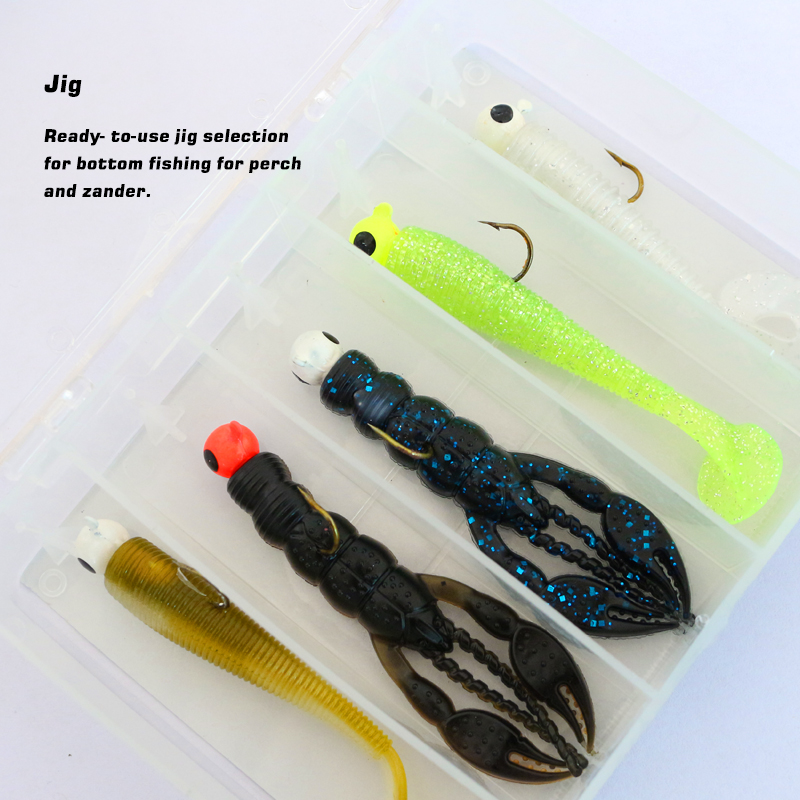
Assess their plastic buoyancy carefully before buying. Salt-impregnated plastics sink faster and flutter seductively. Buoyant TPU materials float upward gracefully. They create natural defensive postures mimicking real crawfish. You must also consider required terminal tackle pairings. Weedless Texas-rigging capabilities make them essential for thick brush. Properly matching your hook size to the plastic profile prevents missed strikes. Integrating a reliable Fishing Lure into your finesse system ensures maximum adaptability across changing conditions.
| Bait Category | Primary Function | Ideal Conditions | Key Features to Evaluate |
| Hard Baits | Search and trigger | Active feeding, wind, vast flats | Bill durability, weight transfer systems |
| Soft Baits | Finesse and entice | High pressure, post-frontal weather | Material buoyancy, weedless compatibility |
The Environmental Decision Matrix: Water Clarity and Depth
Lure selection must directly adapt to visual constraints. You must also evaluate the structural layout of the water body. This features-to-outcomes approach completely removes daily guesswork from your routine.
The "Color Factor" Rule
The "Color Factor" rule heavily simplifies your choices. In clear water, visibility often exceeds ten feet. You must rely purely on visual realism. Prioritize natural forage colors to fool wary bass. Green Pumpkin, Watermelon, and translucent baitfish patterns work exceptionally well. Bass can study the bait closely here, demanding perfection.
In stained or muddy water, vision drops dramatically. You must rely on vibration and bold contrast instead. Prioritize dark silhouettes like Black and Blue. Aggressive attractors like Chartreuse and Red also perform beautifully. Pair these bright colors alongside Colorado blades. They produce maximum thump and displace heavy amounts of water. Many anglers fish too fast in muddy water. Bass need extra time to locate your presentation using their lateral lines. Slow down your retrieve considerably.
Targeting the Water Column
Targeting the water column requires specific tools for specific zones. We break this down into three distinct, manageable areas.
Topwater (Surface): Hollow body frogs dominate thick, heavy grass mats. Their weedless compression design prevents frustrating snags entirely. Walking baits excel for open-water surface agitation. Use them primarily during dawn and dusk feeding windows. Wind creates a chop on the water surface. This breaks up light penetration. It masks imperfections, allowing you to use larger topwater baits.
Mid-Depth (Reaction Zone): Spinnerbaits perform perfectly in windy or cloudy conditions. The spinning blades create flash and mimic schools of baitfish. You should choose crankbaits based strictly on their specific dive-depth ratings. Bill length directly dictates how deep they travel.
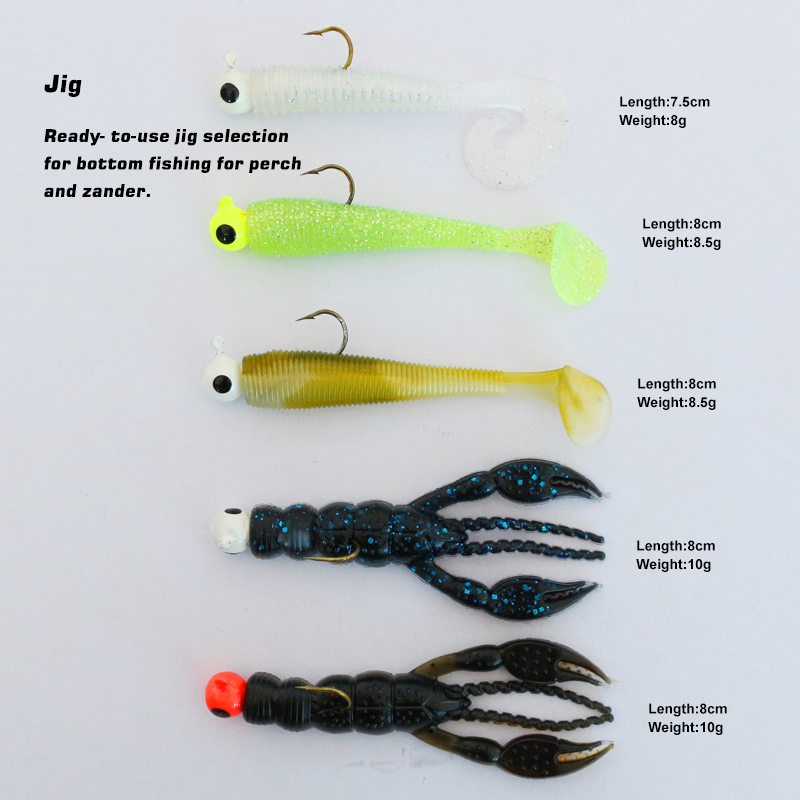
Bottom (Structure/Cover): Jigs handle heavy cover extraction flawlessly. Pulling big bass from thick brush requires heavy braid and incredibly stiff rods. Ned rigs offer a much subtler approach. Drag them slowly across hard, rocky bottoms for consistent bites.
Factoring in Seasonal Bass Behavior and Technology
Lure performance fluctuates wildly throughout the calendar year. Water temperature heavily dictates bass metabolism and feeding aggression. You must adjust your presentations accordingly to maintain success.
Seasonal Baselines
We can establish clear seasonal baselines for consistent action. Follow these rules as weather patterns shift.
Winter: Temperatures drop below fifty degrees Fahrenheit. Low metabolism requires ultra-slow presentations. Bass group tightly in deep wintering holes. They will not chase fast-moving meals. Use skirted jigs paired alongside subtle, low-action trailers. Hair jigs also excel immensely in frigid temperatures.
Spring (Spawn): Water temperatures rise into the low sixties. Focus your efforts closely on shallow target zones. Suspending jerkbaits dominate the pre-spawn staging periods. They hover perfectly in the face of sluggish fish. Later, switch to shallow creature baits. Bass will aggressively attack them to defend their spawning beds.
Summer: Extreme heat pushes temperatures above eighty degrees. This drives fish into deep offshore ledges. Drop shots and deep-diving crankbaits become highly effective tools. Mix this deep offshore approach alongside early morning shallow topwater action.
Fall: Bass enter a frantic, aggressive feeding frenzy. They must gorge heavily before harsh winter arrives. Fast-moving reaction baits trigger violent strikes. Lipless crankbaits and spinnerbaits perfectly mimic fleeing, panicked baitfish.
Modern Tech Compliance (Forward-Facing Sonar)
Modern technology completely changes how we present baits today. Forward-Facing Sonar (FFS) compliance is now a massive, critical consideration. Many serious anglers utilize live sonar daily on the water. If you use FFS, prioritize suspending minnow profiles immediately.
Manufacturers design them specifically for vertical, perfectly horizontal presentations. They expertly mimic dying baitfish right in front of suspended bass. You can hold them perfectly still directly in the strike zone. Finding a highly balanced Fishing Lure optimized for live sonar dramatically increases your daily catch rates. You will clearly see the fish react to your movements on the screen.
Shortlisting Your Baseline Arsenal: 5 Essential Lures to Pack
Packing light saves mental energy and reduces decision fatigue. Budget-conscious anglers desperately need versatile, multi-purpose options. We narrowed down the essential categories for you. These five choices provide dependable 365-day coverage. They effectively target all water columns and clarities imaginable.
1. The Skirted Jig
This remains the ultimate heavy-cover extraction tool. Pair it carefully alongside a matching craw trailer. We strongly recommend downsizing to a compact 3/16 oz weight. Smaller profiles significantly increase bite rates in highly pressured waters. Pitch it around boat docks, laydowns, and thick brush piles. Trim the weed guard slightly before casting. This increases hook-up ratios while maintaining excellent snag resistance.
2. The Soft Stick Bait (Senko-style)
This is the most reliable "numbers" lure ever created. You can fish it entirely weightless on a Wacky rig. It also performs brilliantly on a weedless Texas rig. Green Pumpkin is the absolutely mandatory color choice here. Let it fall slowly on a completely slack line for best results. Use a specialized O-ring for Wacky rigging. This prevents the plastic from tearing after catching a single fish.
3. The Hollow-Body Frog
You simply cannot fish heavy surface vegetation effectively otherwise. This tool pulls giant bass from incredibly thick lily pads. Ensure the plastic body collapses easily upon a violent strike. Soft bodies expose the dual hooks for much better penetration. Walk it slowly over the mats and pause frequently. Different vegetation requires different approaches. Coontail and Hydrilla grab treble hooks instantly, making the weedless frog mandatory.
4. The Bladed Jig (Chatterbait)
This bait perfectly combines the bright flash of a spinnerbait. It also delivers the heavy, erratic vibration of a crankbait. We consider it the ultimate shallow-water search bait. Use it for ripping aggressively through submerged grass beds. A steady retrieve usually produces the most violent strikes. Keep your rod tip high when fishing over shallow grass.
5. The Squarebill Crankbait
Engineers design this specific bait for heavy, physical contact. It crashes easily into wood, jagged rock, and shallow cover. It actively dives from zero to roughly four feet. The square bill helps it wildly deflect off cover. This erratic deflection triggers immediate, aggressive reaction strikes. Fish it on a medium-action composite rod. The softer rod tip keeps fish pinned during chaotic fights.
Conclusion
Investing in bass tackle requires strict strategy over careless spending. Your gear is only as effective as your environmental understanding. You must analyze water conditions and depth positioning constantly. We strongly advise against buying every new, unproven seasonal gimmick. Instead, focus entirely on establishing a core, high-confidence arsenal.
Organize your tackle specifically by targeting the water column—top, mid, and bottom. Separate your boxes strictly by water clarity. Group natural colors apart from dark, high-contrast ones. Take direct action before your next fishing trip. Audit your current tackle box thoroughly. Remove the useless redundancies cluttering your valuable storage space. Identify and promptly fill any functional gaps in your top-to-bottom depth coverage. A disciplined, systematic approach guarantees more bass in the boat.
FAQ
Q: Does the weight of the fishing lure really matter?
A: Yes. Weight dictates the fall rate. A slower fall (lighter weight) often triggers more strikes from suspended or highly pressured bass, while heavier weights are required to punch through thick surface mats.
Q: What is the most versatile fishing lure color?
A: Green Pumpkin. It most accurately mimics a wide variety of natural bass forage (crawfish, bluegill, gobies) in clear to lightly stained water.
Q: How do I avoid losing expensive hard baits to snags?
A: For hard cover (rocks/wood), use squarebill crankbaits that deflect off obstacles. For heavy vegetation, switch to soft plastics rigged weedless on an EWG (Extra Wide Gap) hook or hollow-body topwater lures.

