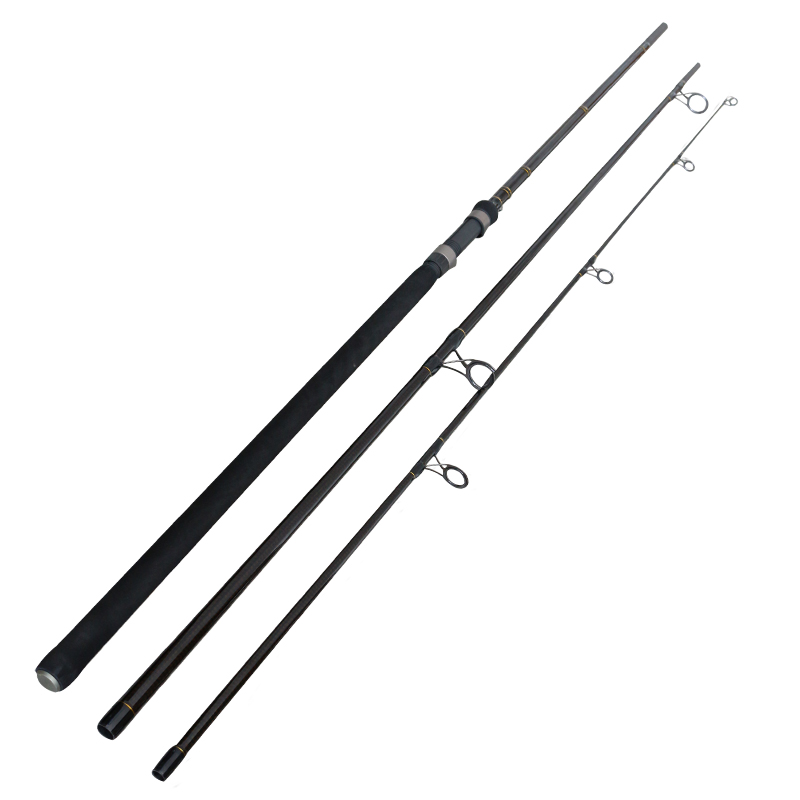
The freshwater fishing market remains highly saturated today. Endless marketing claims confuse buyers constantly. Varying specifications and advanced materials make rod selection a high-friction decision. Anglers need a transparent evaluation framework. We provide evidence-based guidelines below. You will learn how to match rod specifications to your target species. You will also align equipment to your specific environment and skill level. Understand early on: there is no universal best option. The optimal choice depends strictly on rigid application constraints. Factors like lure weight, cover type, and target fish dictate performance. Proper evaluation prevents frustration and wasted effort on the water.
Key Takeaways
- Action vs. Power: Power dictates the rod's lifting strength (lure and fish weight), while Action determines where the rod bends (influencing casting distance and hook-setting speed).
- Rod Types: A spinning fishing rod is the most versatile and risk-averse choice for finesse techniques and general freshwater applications.
- Material Trade-offs: Graphite offers high sensitivity but is prone to impact damage; fiberglass provides durability and parabolic bends ideal for specific moving baits; composites blend both.
- System Compatibility: A rod must be evaluated as part of a system—mismatching rod specifications with reel size or line weight severely degrades performance.
Assess Your Target Species and Freshwater Environment
Define your success criteria first. Categorize the buying decision based on primary use cases. Many anglers focus heavily on rod aesthetics. Visual appeal rarely catches fish. Function must drive your choice entirely. Evaluate where you plan to cast most often.
Lake vs. River Dynamics
Open water environments present unique challenges. Lakes prioritize maximizing your casting distance. You need to cover vast amounts of water quickly. Longer rods excel in these open scenarios. They generate more leverage for extended casts.
Tight environments demand a different approach entirely. Creeks and rivers require high casting accuracy. You must navigate overhanging brush constantly. Maneuverability matters more than raw distance here. Shorter rods favor these constrained spaces beautifully.
Species-Specific Baselines
Different fish require vastly different equipment profiles. Do not expect one setup to handle every species.
- Trout and Panfish: These species require highly lightweight setups. You must throw micro-lures accurately. They possess delicate, soft mouths. Stiff rods cause frequent hook-pulls. Flexible tips protect these soft mouths during fights.
- Largemouth/Smallmouth Bass: Bass fishing demands highly specialized setups. You often extract these fish from heavy cover. Weeds, wood, and docks test your gear. You need robust lifting strength to win these battles.
- Walleye/Pike: Walleye require extreme sensitivity. They often produce very light, subtle bites. Pike present the opposite challenge. They are large, toothy predators. You need a heavy-duty backbone to control them effectively.
Deciding Between a Spinning Fishing Rod and a Casting Rod
Your reel choice dictates your rod style. Both systems offer distinct mechanical advantages. You must weigh versatility against specialized power.
The Spinning Rod: Versatility and Finesse
The mechanism is straightforward. The reel sits below the rod blank. The line guides face downward toward the water. A spinning fishing rod provides incredible versatility for all anglers. It excels at casting very light lures. Anything under 3/8 ounce flies effortlessly. You can navigate harsh, windy conditions easily. Line management issues remain minimal.
However, this system carries an adoption risk. It offers lower overall winching power. Dragging a large fish out of dense vegetation becomes difficult. The internal gears handle finesse better than brute force.
The Baitcasting Rod: Accuracy and Power
The baitcasting mechanism differs completely. The reel sits on top of the blank. The line guides face upward. This system delivers superior performance for heavy lines. It handles large, bulky lures perfectly. It also provides pinpoint casting accuracy.
The adoption risk is notably high here. Baitcasters require a steep learning curve. You must practice constant thumb-spool management. Failure causes massive backlashes, often called bird's nests. Experts do not recommend them for first-time purchases. You need prior practice to avoid severe frustration.
| Feature | Spinning System | Baitcasting System |
| Reel Position | Below the blank | On top of the blank |
| Ideal Lure Weight | Under 3/8 oz | Over 3/8 oz |
| Primary Strength | Wind management, finesse | Heavy cover, accuracy |
| Learning Curve | Low (Beginner friendly) | High (Requires thumb control) |
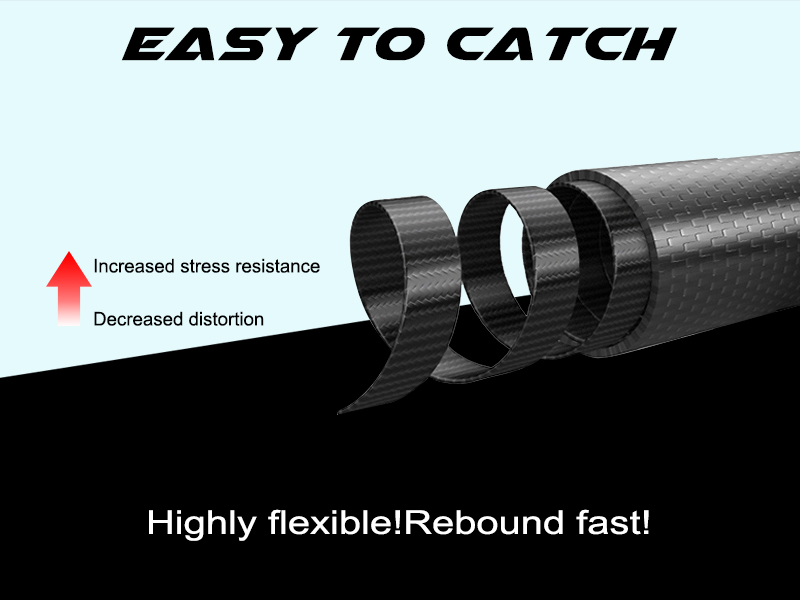
The Core Evaluation Framework: Power, Action, and Length
You must understand three critical metrics. Power, action, and length define every Fishing Rod perfectly. Ignoring these ratings guarantees poor performance on the water.
Evaluating Rod Power (Lifting Strength)
Power measures raw lifting strength. Manufacturers categorize it from ultra-light to heavy. Your decision logic should be simple. Always match the power to the lure weight rating. You will find this rating printed directly on the rod blank.
Using a heavy rod for a 1/16 oz lure fails. It results in zero casting distance. The blank cannot load energy properly. Conversely, using an ultra-light blank for a 1 oz lure creates danger. You risk catastrophic failure and snapping the graphite.
Evaluating Rod Action (Bend and Hook Set)
Action determines where the blank bends under pressure. It heavily influences your hook set efficiency.
- Fast / Extra-Fast Action: The blank bends only at the top 20-30 percent. This profile delivers incredibly high sensitivity. It allows for rapid, powerful hook sets. Fast actions remain ideal for single-hook lures. Jigs and soft plastics perform best here.
- Moderate / Slow Action: The blank bends deep into the middle or lower half. It acts as a mechanical shock absorber. This delayed response prevents hooks from tearing free. Moderate actions are ideal for treble-hook lures. Crankbaits require this softer approach.
Evaluating Length (Distance vs. Accuracy)
Standard freshwater lengths range from 6'0" to 7'6". You trade distance for accuracy constantly.
Longer options spanning over seven feet generate more tip speed. Higher tip speed translates into longer casts. They also pick up slack line rapidly. Shorter options under 6'6" provide superior pinpoint accuracy. They are much better for kayak anglers. Bank fishermen navigating heavy brush rely on shorter blanks.
| Action Type | Flex Location | Primary Application | Lure Match |
| Extra Fast | Top 15-20% | Instant hook sets | Jigs, Texas Rigs |
| Fast | Top 25-30% | All-around sensitivity | Spinnerbaits, Plastics |
| Moderate | Top 50% | Shock absorption | Crankbaits, Treble hooks |
| Slow | Full blank | Protecting light line | Live bait, Micro lures |
Material Selection: Graphite, Fiberglass, and Composites
Blank materials dictate sensitivity, weight, and durability. Anglers must choose based on their specific fishing style. Each material presents distinct benefits and structural risks.
Graphite (Carbon Fiber)
Graphite remains the industry standard for modern setups. It is extremely lightweight by design. It is also highly sensitive mechanically. Graphite transmits underwater vibrations directly to your hand. You can feel rocks, mud, and subtle bites easily.
However, graphite carries notable risks. It is incredibly brittle under blunt-force impact. Hitting a boat gunwale damages the internal fibers. High-sticking a heavy fish will snap it easily. You must handle graphite carefully.
Fiberglass
Fiberglass provides a different structural profile entirely. It is highly durable against physical abuse. It features a naturally slower, parabolic action. This makes it exceptional for aggressive moving baits.
The cons are equally apparent. Fiberglass is noticeably heavier than carbon fiber. It causes fatigue over long sessions. It also lacks crisp sensitivity entirely. You should avoid it for bottom-contact techniques.
Composites
Composites offer a strategic blend of materials. Manufacturers weave fiberglass and graphite together. They offer the durability of fiberglass. They provide a baseline sensitivity closer to pure graphite. Composites represent an excellent mid-tier choice. They handle all-around applications beautifully.
Best Practices for Material Care
- Store blanks vertically to prevent warping.
- Never lift a swinging fish directly over the boat rail.
- Inspect blanks for micro-fractures after accidental drops.
Component Quality and Implementation Considerations
A blank is only as good as its attached components. You must evaluate guides, handles, and portability carefully. Cheap components ruin excellent blanks over time.
Guide Materials
Evaluate your line guides closely. Cheap plastic or soft metal grooves fail quickly. Braided line acts like a saw under tension. It will cut deep grooves into poor guides. Look for premium ceramic inserts. Silicon carbide (SiC) and aluminum oxide are excellent choices. They provide severe friction reduction.
Handle and Grip Ergonomics
Your hands interact with the grip all day. Material choice impacts comfort heavily.
- Cork: Cork is traditional and highly lightweight. It provides excellent grip when wet. It transmits vibrations very well. However, it requires periodic cleaning and maintenance.
- EVA Foam: Foam is highly durable overall. It is cost-effective for manufacturers. It resists weather degradation perfectly. However, it is heavier and noticeably less sensitive than cork.
Portability Risks: 1-Piece vs. Multi-Piece
Transport logistics dictate blank construction choices.
A 1-piece model offers uninterrupted power transition. It delivers maximum sensitivity across the board. However, it poses severe transport and storage challenges. Fitting a seven-foot stick into a compact car is frustrating.
Two-piece or telescoping models mitigate transport friction. They fit into trunks and closets easily. Unfortunately, they introduce a mechanical weak point. The ferrule connection alters the natural bending curve. Dirt inside the joint causes sticking or breakage.
The "Combo" Checklist
You must evaluate the entire system collectively. Ensure your blank balances correctly with the intended reel. Hold the setup right at the reel seat. It should balance horizontally. A heavy reel on a lightweight blank causes tip-up fatigue. A light reel on a heavy blank causes tip-down fatigue. Imbalance degrades the overall experience quickly.
Conclusion
Summarize your final shortlisting logic carefully. Start by defining your exact target species. Let the species dictate your required lure weight. Select the appropriate power and action combination next. Finally, choose between a spinning setup or baitcaster based entirely on your current skill level.
We recommend specific next actions. Buyers should physically hold shortlisted options in-store. Test the balance point with a reel attached. Allocate your budget appropriately across the entire system. Balance your spending evenly between the blank, a smooth reel, and high-quality fishing line.
FAQ
Q: What is the best all-around freshwater fishing rod size?
A: Most experts recommend a length between 6'6" and 7'0". A medium power rating paired with a fast action provides maximum versatility. This configuration casts well, offers adequate sensitivity, and handles multiple lure types efficiently across lakes and rivers.
Q: Can I use a saltwater rod for freshwater fishing?
A: Yes, but it is highly inefficient. Saltwater gear is heavily over-engineered for larger species. You will suffer severe weight penalties and rapid fatigue. Furthermore, the enhanced corrosion resistance adds unnecessary bulk and reduces the sensitivity required for detecting light freshwater bites.
Q: How much should I spend on my first fishing rod?
A: Set a realistic baseline for an entry-level budget. Avoid ultra-cheap, disposable gear sold in plastic clamshells. They break easily and cause frustration. Conversely, beginners should avoid unnecessary premium markups. A solid mid-tier option provides durable components and good sensitivity without overspending.
Q: What does the lure weight rating on the rod actually mean?
A: It indicates the optimal weight range required to load the blank properly. Physics dictate that a blank must bend to store casting energy. Staying within this specification ensures maximum casting distance. More importantly, it prevents catastrophic structural breakages caused by overloading the graphite.

