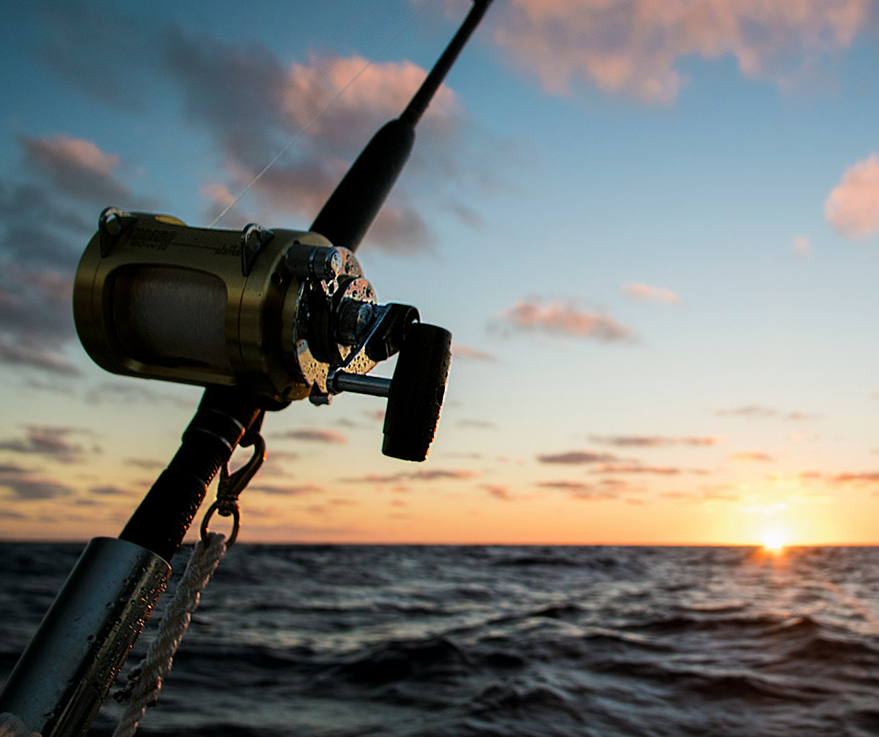
Stepping into a local tackle shop often feels entirely overwhelming. Rows of identical gear stretch endlessly across the aisles. Buying rod and reel components separately requires deep technical knowledge. You must understand balancing weights, line capacities, and rod tapers perfectly. One wrong variable ruins the entire casting experience.
A pre-matched Fishing Combo eliminates this friction instantly. It solves the compatibility puzzle for you. However, the market overflows heavily today. Cheap, disposable setups constantly masquerade as high-end, "all-in-one" solutions. A reliable setup must be evaluated carefully. You need to assess component synergy, material integrity, and specific application. Price points and flashy brand names often hide fatal flaws.
This guide delivers a highly structured evaluation framework. We will help you assess rod-and-reel pairings like a seasoned professional. You will learn to spot and avoid common manufacturing shortcuts quickly. Finally, you can confidently select a setup aligning perfectly to your target species and current skill level.
Key Takeaways
The optimal fishing combo is dictated by your primary target species; there is no universal "one-size-fits-all" freshwater setup.
Spinning combos offer the highest versatility and scalability for intermediate anglers, while baitcasting setups are specialized for heavy cover and precision.
Evaluate combos based on rod blank material (graphite vs. fiberglass) and reel internals (bearing material and gear construction) rather than cosmetic features.
Factory-spooled line on budget combos is typically a point of failure and should often be replaced immediately to ensure performance.
Defining Your Freshwater Baseline: Species and Application
Before examining hardware, establish your exact success criteria. Define your primary use case clearly. The physical demands of yanking a five-pound largemouth bass from heavy weeds differ drastically. Finessing a one-pound trout in a crystal-clear mountain stream requires entirely different mechanics. You cannot apply one rod strategy universally across all lakes and rivers.
Different fish species demand specific gear profiles. Trout possess soft mouths and spook easily. They require subtle presentations. Pike strike aggressively and possess razor-sharp teeth. They demand brute force and high torque. Below is a breakdown mapping target species to their ideal hardware requirements.
| Target Species Category | Recommended Setup Profile | Core Hardware Focus |
| Panfish & Trout | Ultralight to Light | High rod sensitivity, capability to cast very lightweight lures effortlessly. |
| Bass & Walleye | Medium to Medium-Heavy | Immediate hook-setting power, broad versatility across varying lure weights. |
| Catfish & Pike/Muskie | Heavy to Extra-Heavy | High winching torque, massive line capacity, ultimate structural durability. |
Next, weigh versatility against strict specialization. Decide if you need a highly dedicated rig. Frog fishing in thick lily pads requires specialized, stiff gear. Conversely, a generalist Freshwater Fishing Combo provides incredible value. It scales easily across multiple environments. Generalist setups forgive minor beginner mistakes. Specialized rigs demand absolute precision and technique.
Solution Categories: Selecting the Right Reel Platform
Different reel platforms serve different angler profiles entirely. We must categorize them accurately to avoid frustration. Selecting the wrong platform stunts your progression on the water.
Spincast Combos (The Entry-Level Approach):
This represents the most basic entry-level approach. They feature a closed-face reel. You simply press a push-button release to cast your bait. These serve absolute beginners wonderfully. Young children and casual panfish anglers benefit greatly from their extreme simplicity. However, they carry severe operational limitations. Expect poor casting distance and remarkably low line capacity. Manufacturers typically build them using cheap plastic internal gears. They fundamentally lack long-term durability and rarely survive heavy use.
Spinning Combos (The Versatile Standard):
This stands as the incredibly versatile standard. An open-face reel mounts underneath the rod blank. They excel across 80 percent of common freshwater applications. They handle light to medium-heavy lures exceptionally well. More importantly, they scale perfectly alongside the angler's growing skill. They inherently resist backlash and nasty line tangles. This resilience makes them incredibly practical for broad freshwater use. Most professionals still rely heavily on spinning gear for finesse techniques.
Baitcasting Combos (The Precision Tool):
Consider this the ultimate precision tool. A revolving spool reel sits firmly on top of the rod handle. They deliver pinpoint accuracy effortlessly. Anglers use them to launch heavy lures long distances. They excel at extracting big fish from dense cover. Think thick lily pads, submerged timber, and heavy milfoil. The implementation risk remains quite high, though. They demand a steep, frustrating learning curve. The spool spins rapidly during the actual cast. They easily form "bird's nests" or massive spool overruns. You must thumb-manage the spool properly. Dialing in the magnetic or centrifugal braking system takes serious practice.

Core Evaluation Dimensions: Hardware and Specifications
You must scrutinize the actual specifications closely. Cosmetic paint jobs mean nothing. True performance lives inside the materials and engineering tolerances.
Rod Power and Action
These two metrics define how the rod physically behaves under stress. They connect directly to your fishing outcomes.
Power (Lifting strength): This dictates the sheer backbone of the rod blank. Choose Medium (M) or Medium-Heavy (MH) power. These ratings suit a generalist freshwater setup best. They provide enough muscle to fight bass while remaining sensitive enough for walleye.
Action (Where the rod bends): This describes exactly where the rod flexes under load. Fast action models bend near the top third of the tip. They provide immediate, aggressive hooksets and incredible vibration sensitivity. Moderate action rods bend closer to the middle. They supply superior shock absorption. This helps significantly when using treble-hook lures, preventing fish from tearing free.
Material Integrity: Graphite, Fiberglass, and Composite
Rod blanks use three primary materials. Each brings specific advantages and inherent drawbacks to the water.
Fiberglass: This material offers high durability and intense flexibility. You can bend it aggressively. Unfortunately, it feels heavy and lacks crisp sensitivity. You might miss subtle bites.
Graphite: This feels extremely sensitive and wonderfully lightweight. You feel every pebble underwater. However, it proves incredibly brittle under improper stress. Smacking a graphite rod against a boat hull often shatters it.
Composite: This modern approach blends both materials together. It forms a highly balanced, resilient structure. We consider this the safest bet for mid-tier combos. It offers the sensitivity of graphite alongside the toughness of fiberglass.
Reel Internals and Gear Ratio
Internal components dictate the total lifespan of your purchase. Look strictly for shielded stainless steel or brass ball bearings. Avoid unshielded or plastic internal components entirely. Shielded metals ensure longevity and aggressively block sand and debris.
Gear ratio logic matters deeply for presentation. You will see numbers like 5.4:1 or 7.3:1 printed on the reel. A 6.2:1 or 6.4:1 ratio serves as the industry-standard baseline. It provides a perfect, reliable balance. You get adequate retrieval speed alongside solid winching torque. This ratio handles crankbaits, spinnerbaits, and soft plastics efficiently.
Assessing Risks: Common Pitfalls in Pre-Packaged Combos
Pre-packaged rigs frequently hide specific manufacturing shortcuts. Brands cut corners to meet aggressive retail price points. You must know exactly what to check before swiping your card.
The Factory-Spooled Line Trap:
Many lower-tier models arrive completely pre-spooled. Manufacturers use notoriously cheap monofilament line to save pennies. This material suffers from severe "line memory". It literally coils aggressively like a spring as it leaves the spool. Furthermore, it delivers notoriously low abrasion resistance. It snaps easily against rocks. Plan to strip this useless line immediately. Re-spool the reel using high-quality fluorocarbon or braided line. This simple upgrade instantly transforms casting performance.
The Bearing Count Myth:
Brands constantly inflate bearing counts for deceptive marketing leverage. You might see flashy packages boasting "10+1 bearings". They achieve this impressive number using low-quality, completely unshielded bearings. These rust and fail remarkably quickly. A reel packing four high-quality shielded bearings wins every single time. It will consistently outperform a reel stuffed entirely full of cheap, rough alternatives.
Proprietary and Irreplaceable Parts:
Extremely cheap units use permanent rivets. Manufacturers rivet the chassis instead of using standard metal screws. Consequently, you cannot open them. They prevent basic maintenance, internal lubrication, or simple part repair. When a single internal spring fails, the entire unit becomes useless trash. They are effectively disposable items. Always verify the reel body uses visible, standard screws.
Shortlisting Logic and Final Decision Framework
Follow a strict, logical process to narrow down your final options. Use these systematic steps to guarantee a smart purchase.
Determine the budget tier accurately. Setups priced under $50 carry extreme structural risk. They rely heavily on brittle plastic components. Reserve these strictly for occasional, highly casual use. The $80 to $150 range represents the true performance sweet spot. Here, you find highly reliable, long-lasting freshwater setups. Reputable manufacturers dominate this crucial price tier.
Apply the core selection formula. Your target dictates the exact specs. If targeting multiple species across different lakes, choose a 6'6" to 7'0" length. Opt for a Medium power, Fast action spinning setup. If targeting exclusively heavy bass in thick cover, pivot your strategy slightly. Choose a 7'0" to 7'3" Medium-Heavy baitcasting model. This ensures adequate leverage to drag fish out of weeds.
Perform a rigorous physical evaluation. If buying in-store, test the rig physically before leaving. Check the primary balance point first. It should balance perfectly near the reel seat when held on one finger. Inspect the guide rings closely. Look out for rough ceramic inserts. These hidden flaws shred expensive fishing line instantly. Finally, test the actual drag system. Lock it down slightly and pull line from the spool manually. Look for smooth, stutter-free line release. Any jerking motion indicates a faulty drag washer.
Conclusion
Selecting the ideal fishing combo demands intense scrutiny. You must look far past the flashy cardboard packaging. Evaluate the entire setup as a unified, highly functional system. Align the reel type perfectly to your current technical experience level. Match the rod specifications directly to your intended target species. Doing this helps you completely avoid the dreaded trap of disposable gear.
A well-chosen, mid-tier setup heavily transforms your experience on the water. It prevents frustrating tangles and lost fish. It will provide years of highly reliable service. Ultimately, investing smartly creates a clear, frustration-free path for ongoing skill progression.
FAQ
Q: Can I use a freshwater fishing combo in saltwater?
A: Generally, no. Freshwater combos typically lack the completely sealed drag systems required to survive saltwater exposure. They rarely feature fully shielded stainless bearings or corrosion-resistant internal components. Using one in harsh saltwater environments will rapidly accelerate rust. You will likely experience complete gear failure very quickly. Keep them strictly in freshwater environments to preserve their intended lifespan.
Q: Do fishing combos come with a manufacturer warranty?
A: Most reputable mid-tier and high-end models offer a standard 1-year limited warranty. This policy strictly covers standard manufacturer defects out of the box. However, warranties rarely cover distinct user error. Snapping a rod tip inside a heavy car door absolutely voids coverage. Gear failure due to a complete lack of routine lubrication also falls entirely outside warranty protection.
Q: Is it cheaper to buy a combo or buy the rod and reel separately?
A: Combos are almost always significantly more cost-effective. Manufacturers bundle them at a slight overall discount compared to buying the exact same rod and reel individually. This aggressive pricing strategy makes them an excellent value proposition. They provide a highly cost-effective way for beginners to evaluate a specific brand's ecosystem without wildly overspending.

