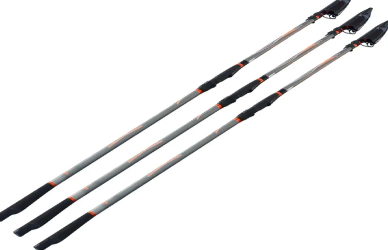
Baitcasting rods are a popular choice among anglers, known for their precision, accuracy, and ability to handle heavier baits. Unlike spinning rods, baitcasting rods offer more control over casting distance and lure presentation, making them ideal for targeting larger fish species. For beginners, choosing the right baitcasting rod is crucial, as it can greatly enhance your fishing experience. A well-selected rod allows for smoother casting, better sensitivity, and fewer issues like backlash, which is common when learning the technique. By understanding the key features of baitcasting rods and selecting one suited to your fishing style and skill level, you can enjoy a more successful and enjoyable time on the water.
Understanding Baitcasting Rods
Baitcasting rods are designed for anglers who seek more control and precision when casting. These rods are known for their ability to handle heavier baits, greater casting distances, and provide superior accuracy, making them a popular choice for targeting larger fish. Here's an overview of their key features and how they compare to spinning rods:
1.Features of Baitcasting Rods
Casting Distance:
Baitcasting rods allow for longer and more controlled casts. Their design, including the positioning of the reel on top of the rod, makes it easier to cast heavier baits and lures over greater distances with minimal effort. This makes them ideal for situations where you need to reach distant fish or fish in deeper waters.
Accuracy:
One of the standout features of baitcasting rods is their casting accuracy. Since the reel sits directly above the rod, it provides greater control over the line during the cast. This control allows anglers to place their bait or lure with greater precision, especially when fishing in areas with cover or near structures where accuracy is key.
Power:
Baitcasting rods tend to have more power compared to spinning rods. This makes them suitable for targeting larger fish species, such as bass, pike, or even saltwater fish. The strength of the rod allows you to handle heavier lines and lures, giving you the ability to fight bigger fish effectively without breaking the line or damaging the rod.
2.Differences Between Baitcasting Rods and Spinning Rods
Reel Position:
The most significant difference between baitcasting and spinning rods lies in the reel position. On a baitcasting rod, the reel is mounted on top, while on a spinning rod, the reel hangs beneath the rod. This difference in reel placement affects the casting mechanics and control during fishing.
Casting Technique:
Baitcasting rods require a more precise casting technique and are better suited for experienced anglers. The thumb control on the reel plays a crucial role in managing spool speed during the cast, helping to avoid backlash. Spinning rods, on the other hand, are generally easier to use for beginners, as they allow for simpler, less precise casting techniques.
Line Management:
Spinning rods are typically more forgiving when it comes to line tangling and are easier for beginners to handle, especially in situations with lighter lines. Baitcasting rods, with their closed-face reels, offer better line management when casting heavier lines or lures, but require more practice to avoid issues like backlash or bird’s nest tangles.
Factors to Consider When Choosing a Baitcasting Rod
Choosing the right baitcasting rod is crucial for a successful fishing experience. For beginners, key factors to consider include rod length, power, action, and material, as each affects your casting performance and overall control.
1.Rod Length: Ideal Lengths for Beginners
6 to 7 feet is ideal for beginners, offering a good balance of casting distance, accuracy, and control.
Shorter rods (6' - 6'6") are easier to handle and offer better maneuverability.
Longer rods (6'6" - 7') provide greater casting distance, useful for open water fishing.
2.Rod Power: Choosing the Right Power
Power indicates the rod’s strength and its ability to handle different fish species.
Light Power: For small fish like panfish.
Medium Power: Ideal for bass and walleye.
Heavy Power: Suitable for larger fish like pike and saltwater species.
3.Rod Action: Fast, Medium, and Slow
Action refers to how much the rod bends under pressure.
Fast Action: Bends near the tip, great for quick hook-setting in bass fishing.
Medium Action: Bends in the middle, offering balance for various species.
Slow Action: Bends closer to the handle, perfect for live bait fishing or gentler hook sets.
4.Material: Graphite vs. Fiberglass
Graphite Rods: Lightweight and sensitive, ideal for detecting bites, but can be less durable.
Fiberglass Rods: Durable and strong, better for larger fish and tougher conditions, but heavier and less sensitive.
Choosing the Right Reel and Line for Your Baitcasting Rod
When selecting the right reel and line for your baitcasting rod, it’s essential to match them properly to ensure smooth performance, minimize backlash, and improve casting accuracy. The right combination can significantly enhance your fishing experience, especially for beginners.
1.Importance of Pairing the Right Reel and Line
Avoiding Backlash: One of the main challenges beginners face when using a baitcasting rod is backlash. This occurs when the spool continues to spin after the bait has landed, causing the line to tangle and creating a mess known as a bird’s nest. Pairing the right reel and line can help reduce this issue. A smooth, high-quality reel with proper settings (like brake adjustments) and a line suited to the reel’s capabilities will reduce the risk of backlash and improve your casting.
Improved Casting: The right line helps achieve longer, more accurate casts. Monofilament or braided line are excellent choices for beginners as they are easy to manage, forgiving, and reduce the likelihood of tangles or break-offs.
2.Recommended Line Types for Beginners
Monofilament Line:
Best for beginners: Monofilament line is the most forgiving and easiest to handle, making it perfect for those new to baitcasting. It has good stretch, which helps absorb shocks when a fish strikes, reducing the risk of line breakage. Monofilament is also affordable, widely available, and offers sufficient durability for most fishing applications.
Best Uses: Ideal for general-purpose fishing, light to medium-sized fish, and finesse techniques.
Braided Line:
Durable and strong: Braided line is known for its strength-to-diameter ratio, allowing you to use a thinner line with higher strength. It has no stretch, providing excellent sensitivity and better bite detection. Although braided line can be harder to manage for beginners due to its stiffness, it excels in heavy-duty fishing situations, especially when targeting larger fish or fishing in thick cover.
Best Uses: Ideal for larger fish species, deep-water fishing, and heavy cover fishing where abrasion resistance is critical.
Tips for Beginners Using a Baitcasting Rod
Using a baitcasting rod can be tricky for beginners, but with the right techniques and maintenance, you can improve your skills and enjoy fishing more. Here are key tips to get started:
1.Basic Techniques to Avoid Backlash
Adjust the Reel’s Brake System:
Set the reel's brake system to a higher level to control the spool speed. Gradually reduce it as you become more comfortable with casting.
Thumb Control:
Use your thumb to apply light pressure to the spool during the cast. This prevents the spool from over-spinning and causing backlash.
Start with Lighter Baits:
Use lighter baits or lures to make it easier to control the cast. Heavier baits require more precision and can increase backlash risk.
Smooth, Controlled Casts:
Focus on smooth, controlled casting motions rather than forceful throws. This reduces backlash and improves accuracy.
Gradually Adjust Settings:
As you gain experience, fine-tune the spool tension and brake settings for better control and distance.
2.How to Maintain Your Baitcasting Rod and Reel
Clean the Reel Regularly:
Wipe down the reel after each trip to remove dirt and salt. Periodically disassemble and lubricate the internal parts for smooth operation.
Check the Line for Wear:
Inspect the fishing line for frays and replace it when necessary. Replace monofilament lines more often as they degrade faster with UV exposure.
Store Properly:
Keep the rod and reel in a dry, safe place. When not in use, remove the line to prevent stretching.
Inspect for Damage:
Before each fishing trip, check the rod and reel for cracks, loose parts, or damaged components to avoid issues on the water.
FAQ (Frequently Asked Questions):
1.What is the ideal rod length for a beginner using a baitcasting rod?
A rod length of 6-7 feet is ideal for beginners, offering a balance of casting distance and control.
2.Can beginners use braided line with a baitcasting rod?
Yes, but for beginners, it’s often easier to start with monofilament line, as it’s more forgiving and reduces backlash.
3.How do I prevent backlash when using a baitcasting rod?
Start by adjusting the reel’s brake system and practice with lighter baits to master the technique gradually.
4.What material is better for a beginner’s baitcasting rod: graphite or fiberglass?
Graphite rods are lighter and more sensitive, while fiberglass rods are more durable. For beginners, fiberglass might be easier to handle.
Conclusion
In conclusion, choosing the right baitcasting rod involves considering key factors such as rod length, power, action, and material. For beginners, a 6 to 7-foot medium power rod with fast action is often a good starting point. It’s important to match the rod’s specifications to your target species and fishing environment to ensure better control and performance. Don’t forget to pair your rod with the right reel and line to reduce backlash and improve casting accuracy. While choosing the right gear is crucial, the most important factor is practice. The more you experiment with different rods and techniques, the more you'll learn about your personal fishing style and preferences. With patience and experience, you’ll find the perfect baitcasting setup that enhances your fishing adventures.

