The Science Behind Fishing Lures
Fishing is both an art and a science, and at the heart of this pursuit is the fishing lure. A fishing lure is an artificial bait designed to mimic the appearance, movement, and even scent of natural prey, tricking fish into striking. Understanding how lures attract fish is essential for anglers seeking consistent success.
While a basic hook and bait can catch fish, a well-chosen lure gives you a tactical advantage. Lures can provoke instinctive attacks, lure fish from hiding spots, and even overcome periods of low feeding activity. From amateur hobbyists to seasoned professionals, grasping the principles of lure attraction is key to improving catch rates.
This article explores the mechanisms that make fishing lures effective, covering visual appeal, movement, vibration, chemical cues, environmental factors, and modern innovations. By understanding these principles, anglers can select lures that maximize their success on the water.
Visual Attraction: How Lures Catch Fish with Sight
Color Patterns and Realism
Fish rely heavily on their sense of sight to identify prey. The color, pattern, and finish of a fishing lure are critical components in mimicking natural prey. High-quality lures often incorporate:
Natural colors: Silver, brown, green, and white, which replicate small fish, worms, and insects.
Bright colors: Red, chartreuse, orange, which stand out in murky or stained water.
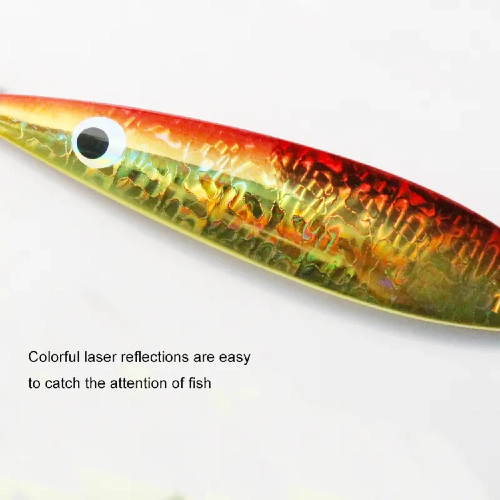
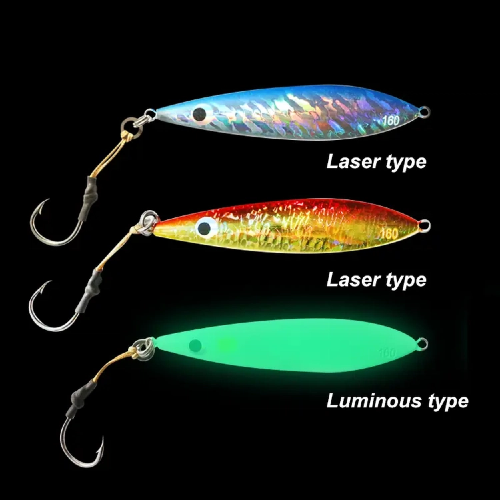
Reflective finishes: Foil, holographic surfaces, and metallic paints that create flashes mimicking the scales of prey.
Color choice should consider water clarity, light conditions, and target species. For example, in clear water, subtle natural tones are more effective, while in muddy water, high-contrast or neon colors help fish detect the lure.
3D Eyes and Flashing Effects
Modern fishing lures often include 3D eyes and reflective surfaces to create lifelike appearances. These details simulate real fish and trigger predatory instincts. Additionally, flashing lures reflect sunlight and create visual disturbances that can attract fish from a distance, especially in open water.
Motion and Action: Mimicking Natural Prey
Swimming Patterns and Retrieval Techniques
A fishing lure’s movement through water, or its action, is one of the most important factors in attracting fish. Different lures are designed to produce various motions:
Wobbling: Side-to-side motion, typical in crankbaits.
Darting: Erratic, quick movements that simulate a fleeing baitfish.
Gliding: Smooth, steady movement to imitate relaxed prey.
Fluttering or spinning: For blades or spinnerbaits, creating vibration and visual disturbance.
Anglers can manipulate the action through retrieval speed, pauses, and twitches. For instance, a slow retrieve with occasional jerks can trigger strikes from predatory fish lying in wait.
Examples by Lure Type
Lure Type | Action | Ideal Use |
Crankbait | Wobbling, diving | Target bass or walleye at mid-depth |
Spinnerbait | Flashing, spinning | Pike, perch in murky water |
Swimbait | Gliding, natural swimming | Large predator fish like muskie |
Topwater Lure | Splashing, popping | Bass, trout on calm water |
Jig | Fluttering, vertical drop | Bottom-feeding species like catfish |
Movement is critical because it convinces the fish that the lure is a live, vulnerable prey — a key factor in provoking attacks.
Vibration and Sound: Stimulating Fish Senses
How Fish Detect Vibrations
Fish have a lateral line system, which allows them to sense pressure changes and vibrations in the water. Many predatory fish detect prey not only by sight but also by the subtle movements in the surrounding water.
Fishing lures can exploit this sense with:
Built-in rattles: Small beads or chambers that produce sound.
Blade spinning: Spinnerbaits create vibrations as blades rotate through water.
Fluttering tails or fins: Soft plastics can produce tiny vibrations during retrieval.
Choosing Silent vs. Noisy Lures
Some fish prefer subtle vibrations, while others are attracted to louder sounds:
Noisy lures attract aggressive predators in murky water.
Silent lures are useful in clear water where cautious fish are easily spooked.
Scent and Taste: Chemical Attraction
Adding Realistic Scent
While vision and movement dominate, many fish also rely on chemical cues. Soft plastic baits or specially treated lures often include:
Scented oils or gels that mimic natural prey smell.
Flavor coatings like shrimp, garlic, or fish extract to encourage bites.
Bait-infused lures that release scent gradually in water.
Scented lures are particularly effective in low-visibility conditions, such as murky water, deep lakes, or night fishing, where visual cues are limited.
Examples of Scented Lure Usage
Lure Type | Scent/Taste Feature | Target Fish |
Soft Plastic Worm | Garlic or fish extract | Bass, trout |
Jig | Scented skirt or tail | Catfish, panfish |
Swimbait | Natural baitfish flavor | Pike, muskie |
Soft Crustacean Imitation | Shrimp scent | Saltwater species |
Chemical attraction complements visual and motion cues, making the lure more irresistible to predatory fish.
Matching Lures to Species and Environment
Species-Specific Selection
Different fish have distinct feeding behaviors and preferences:
Bass: Respond well to soft plastics, crankbaits, and topwater lures.
Pike and Muskie: Prefer swimbaits, spinnerbaits, and larger spoons.
Trout: Small spoons and lightweight soft plastics are ideal.
Catfish: Scented jigs and bottom baits work best.
Environmental Considerations
Water Clarity: Clear water favors natural colors; murky water requires bright, high-contrast lures.
Water Depth: Surface lures for shallow water, crankbaits for mid-depth, jigs for bottom.
Temperature: Cold water slows fish activity, requiring smaller, slower lures; warm water allows faster action.
Seasonal Factors: Fish behavior changes with seasons; spring may require slow-moving lures, while summer can handle aggressive fast-action lures.
Condition | Recommended Lure Action | Color/Type Tip |
Clear water | Subtle, natural movements | Silver, green, brown |
Murky water | Flashy, vibratory | Neon, chartreuse |
Cold water | Slow, steady retrieval | Small soft plastics |
Warm water | Fast, erratic retrieval | Crankbaits, spinnerbaits |
Low light/dusk | Contrast + vibration | Black, UV-reflective |
Modern Innovations in Fishing Lures
The fishing lure industry has evolved dramatically, integrating technology and advanced materials.
1. UV and Reflective Coatings
UV coatings make lures more visible under water, particularly in deep or low-light conditions. Reflective finishes mimic the scales of live fish to trigger predatory instincts.
2. Eco-Friendly and Biodegradable Materials
Modern lures can be made from environmentally safe materials, reducing pollution without compromising effectiveness.
3. 3D Printing and Laser-Textured Lures
3D printing allows manufacturers to create highly realistic body shapes, textures, and scale patterns. Laser-textured finishes further enhance lifelike appeal.
4. Electronic Lures
Some high-tech lures feature small motors or LED lights that simulate movement, flashing, or vibrations. These are particularly effective in low-visibility environments or for targeting picky predator fish.
Tips for Maximizing Lure Effectiveness
Proper Casting Techniques
Casting at the right distance and angle ensures the lure appears natural. Avoid mechanical, straight-line retrievals unless using crankbaits designed for constant movement.
Maintaining Hooks and Lures
Rinse lures with freshwater after use in saltwater.
Sharpen hooks to ensure effective penetration.
Replace rusty or damaged components immediately.
Rotating Lures
Change lure type, size, and color during fishing to identify what attracts fish best on a given day.
Observing Fish Behavior
Watch for feeding patterns, water disturbances, or strikes to adapt your lure selection in real-time.
Conclusion
A fishing lure is far more than just a piece of tackle — it represents the perfect blend of design, science, and angler expertise. Its visual appeal, realistic movement, vibration, and even chemical cues all work together to provoke strikes from fish. Selecting the right lure goes beyond personal preference; it requires a clear understanding of the target species, water conditions, and environmental factors.
For anglers aiming to elevate their fishing performance, mastering these elements is key to consistent success. To access high-quality, innovative, and reliable fishing lures that are designed for maximum efficiency, consider exploring the professional offerings from Weihai Huayue Sports Co., Ltd. Their extensive range of lures caters to a variety of fish species and fishing conditions, combining durability with cutting-edge design. Whether you are a hobbyist or a professional angler, visiting their website or contacting their team can provide valuable guidance and help you select the ideal lure for your needs. For more information, product details, or personalized advice, reach out to Weihai Huayue Sports Co., Ltd. and take your fishing experience to the next level.
FAQs
Q1: Why do some lures work better in clear water than muddy water?
Clear water requires natural tones to appear realistic, while bright colors and flashing lures are more effective in murky water.
Q2: Do fish respond more to movement or color?
Both factors are important. Predatory fish detect motion first, then rely on visual color cues for final strikes.
Q3: Can scented lures increase catch rates?
Yes, chemical cues can attract fish, especially in murky water or when visibility is low.
Q4: How important is the sound or vibration of a lure?
Vibrations stimulate the fish’s lateral line, helping them locate prey even in dark or murky water.
Q5: Are high-tech lures worth the investment?
UV coatings, 3D textures, and electronic lures can increase catch rates, especially in challenging conditions, making them a valuable addition for serious anglers.
Q6: How do I choose the best lure for a specific fish species?
Consider species feeding habits, water conditions, and lure action. Tables and guides can help select the most effective lure for each scenario.

