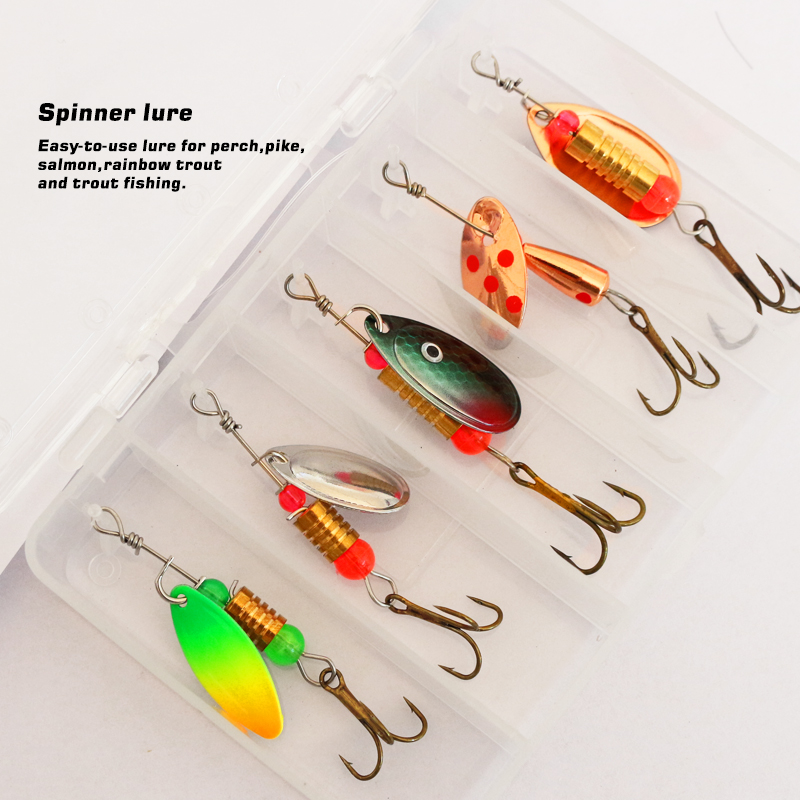
Many anglers stare at a molded piece of plastic or metal and naturally feel a pang of skepticism. How could this synthetic object possibly fool a wild predator into striking? It seems illogical to choose hard artificials over squirming live bait. However, effective mimicry rarely depends on perfect visual replication to the human eye. Instead, successful deception exploits a predatory fish's sensory triggers and deep biological instincts. Understanding this shift in perspective drastically changes how you approach every cast you make.
This article provides a straightforward, evidence-based evaluation of how artificial baits work. We explore where they fail and how to assess their return on investment compared to live bait alternatives. You will learn how to trigger strikes reliably across diverse water conditions. By understanding the underlying science, you can make smarter choices on the water.
Key Takeaways
Action Over Aesthetics: A fishing lure relies heavily on vibration and water displacement, which triggers a fish's lateral line, making movement more critical than photorealistic details.
The "Reaction Bite" Factor: Predatory fish often strike out of territorial aggression or reflex rather than hunger, meaning a lure does not always need to look natural to be highly effective.
Environmental Dependency: Water clarity, light penetration, and temperature strictly dictate whether a realistic presentation or a flashy, erratic presentation will yield a higher conversion rate.
Long-Term Efficiency: While live bait often targets cautious, trophy-sized fish reliably, a well-chosen fishing lure offers superior long-term cost efficiency, higher casting frequency, and better conservation outcomes.
The Science of Deception: How a Fishing Lure Triggers a Strike
To understand why a synthetic bait works, we must redefine what fishing actually is. We need to look past human perception and examine how fish interpret their environment.
The "Hunting vs. Trapping" Paradigm
Think of live bait fishing as passive "trapping." You set a trap, cast your bait into a likely zone, and wait for a fish to find it. The live bait does the work by smelling and moving naturally. Conversely, artificial lures represent active "hunting." You use them as tools to seek out predators. You cover vast amounts of water rapidly. You force interactions by putting the bait directly in front of the fish. This active hunting approach relies entirely on exploiting specific sensory inputs.
Sensory Exploitation
Predatory fish rely on specialized biological sensors to locate prey. A highly effective Fishing Lure targets one or more of these three primary systems:
Visual: Fish use eyesight heavily in clear water. Modern baits utilize holographic finishes, reflective foils, and 3D eyes. These elements catch sunlight and mimic the natural flash of fleeing baitfish.
Acoustic and Physical: Fish possess a lateral line system running down their sides. This organ detects minute changes in water pressure and physical vibrations. Many hard baits feature internal glass or tungsten rattles. Crankbaits generate specific wobble frequencies. These physical waves perfectly mimic the distress vibrations of wounded prey.
Chemical and Scent: Fish use smell to track injured prey. Manufacturers often impregnate soft plastics or apply liquid attractants. This scent layer encourages fish to hold onto the bait longer after the initial strike. It gives you precious extra seconds to set the hook.
The Opportunistic Predator Theory
You might wonder why bass aggressively attack tube baits or brightly colored spinnerbaits. These shapes look nothing like natural animals. The answer lies in predatory psychology. Most game fish are opportunistic predators. They do not only bite out of hunger. They frequently strike out of stress, curiosity, or territorial defense. A loud, flashy object invading their space triggers a defensive reflex. We call this the "reaction bite." The predator attacks the intruding object simply to eliminate the annoyance.
Evaluating Visual Realism vs. Mechanical Action
Anglers often fall into a common marketing trap. They believe their bait must look exactly like a minnow, crawfish, or frog to catch fish. We call this the illusion of photorealism.
The Illusion of Photorealism
Buyers often select baits based on human aesthetics. A hyper-realistic frog might look incredible inside its plastic packaging. However, a fish examining it from below mainly sees a dark silhouette against the sky. Mechanical action matters far more than painted scales. If a highly detailed bait moves rigidly like a stick, fish will reject it. If an abstract piece of neon plastic moves erratically like a dying baitfish, predators will attack it fiercely.
Clear Water vs. Murky Water Scenarios
Environmental factors dictate your approach entirely. You must adapt your presentation based on visibility.
Clear Water and High Visibility: Fish have ample time to inspect your presentation. Here, visual realism becomes crucial. You need highly realistic profiles. Stick to natural colors like translucent greens, subtle browns, and silvers. Use slow, subtle actions to avoid spooking cautious fish.
Murky Water and Low Light: Silt, mud, or darkness neutralizes fish vision. You must shift to acoustic and physical triggers. You need aggressive vibration and massive water displacement. Use flashy, unrealistic colors like chartreuse, hot pink, or neon orange. These bright hues provide high contrast, helping fish locate the target in muddy environments.
To simplify this decision process, refer to the following strategic breakdown:
| Water Condition | Primary Sensory Target | Recommended Color Palette | Ideal Mechanical Action |
| Ultra-Clear (High Vis) | Visual (Sight) | Translucent, Natural Shad, Green Pumpkin | Subtle glides, slow sinking, natural swimming |
| Stained (Medium Vis) | Visual / Lateral Line | Opaque White, Blue/Black, Metallic Chrome | Moderate wobble, intermittent twitching |
| Muddy/Murky (Low Vis) | Lateral Line (Vibration) | Chartreuse, Neon Orange, Solid Black | Wide aggressive wobble, loud internal rattles |
The Role of Water Temperature
Water temperature drastically alters fish metabolism. Cold water creates lethargic predators. They refuse to chase fast-moving prey. In winter or early spring, you need suspending jerkbaits. You twitch them once and let them sit perfectly still for several seconds. This mimics stunned or dying prey. Conversely, warm summer water supports highly active fish. You should deploy fast-moving, high-action presentations to trigger aggressive reaction strikes.
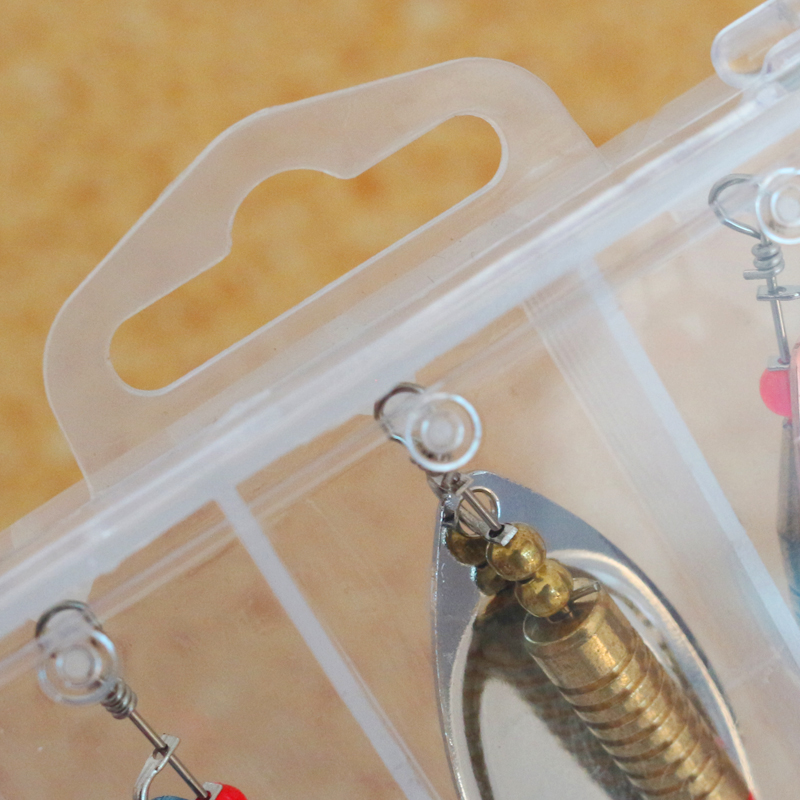
Cost Analysis and Productivity: Artificial vs. Live Bait
Anglers continually debate the financial and practical merits of different bait types. A rigorous breakdown reveals distinct advantages for synthetic options.
Initial Investment vs. Lifetime Value
Live bait requires a constant financial drain. You might spend $3 to $8 on shiners, worms, or minnows for every single trip. Once you use them, they are gone forever. In contrast, you make a one-time investment of $5 to $15 for a high-quality Fishing Lure. If you avoid snagging it on submerged trees, you can catch dozens or even hundreds of fish on a single piece of hardware. Over a full season, the financial savings become undeniably massive.
Catch Volume vs. Size
We must establish realistic expectations regarding productivity. Live bait historically holds a distinct edge for ultra-cautious, trophy-sized fish. Old, smart fish scrutinize their food closely. However, artificials excel at sheer volume. Live bait fishing limits you to a few casts per hour. You spend most of your time waiting. Synthetic baits allow you to make 40 to 60 casts per hour. You cover miles of shoreline, target numerous underwater structures, and significantly increase your total volume of strikes.
Logistical Advantages
Live bait demands extensive logistical support. You need specialized aerators. You must manage bulky live-wells. You deal continually with messy, smelly storage solutions. Managing water temperature to keep minnows alive is an exhausting chore. Artificial tackle removes all these headaches. You simply grab your tackle box, grab your rod, and hit the water immediately. This streamlines the entire deployment process.
Implementation Variables: Maximizing Lure Effectiveness
Owning good tackle is only the first step. You must implement specific techniques to maximize their effectiveness. A poor presentation ruins the best equipment.
"Matching the Hatch"
Fly fishermen coined the phrase "matching the hatch," but it applies to all angling. You must audit your local forage. Walk the shoreline and observe. Are there small silver shad, dark green bluegill, or brown crayfish? You must select a presentation mimicking the dominant local prey size and silhouette. If bass currently feed on two-inch shad, throwing a massive eight-inch swimbait will likely result in failure.
Tackle Dependency
Your rod, reel, and fishing line dictate your success. Lure mimicry completely fails without the correct hardware. Monofilament line stretches like a rubber band. This stretch dampens the mechanical action of your bait. We highly recommend using low-stretch braided line. Braid ensures precise action feedback. When you twitch your rod tip, the bait darts instantly. Furthermore, zero stretch allows for immediate, powerful hooksets.
The Learning Curve
We must set transparent expectations. Live bait requires very little skill; the bait moves naturally on its own. Artificials require a distinct learning curve. You must master active retrieval techniques to impart life into inanimate objects. Common effective techniques include:
The Twitch and Pause: Jerking the rod tip sharply and letting the bait suspend lifelessly. Most strikes occur during the pause.
The Steady Retrieve: Reeling at a constant speed, allowing the bait's engineered lip or blade to generate a rhythmic wobble.
The Bottom Bounce: Dragging heavy jigs slowly across rocky bottoms to simulate foraging crayfish.
Environmental and Ethical Considerations
Modern angling culture places a heavy emphasis on conservation. The gear we choose directly impacts the health of our aquatic ecosystems.
Catch and Release Survival
Live bait frequently causes dangerous "deep hooking" or gut hooking. Because live bait feels and tastes completely natural, fish swallow it deeply into their digestive tract before the angler reacts. Removing a deep hook often causes fatal bleeding. Artificial presentations drastically reduce this incidence. Fish quickly realize the hard plastic or metal is not real food and attempt to spit it out. This typically results in clean lip-hooks. Clean lip-hooks allow for safe, rapid removal and significantly higher fish survival rates upon release.
Ecosystem Protection
Dumping leftover live bait into a lake causes ecological nightmares. Unused baitfish introduce invasive species that decimate native populations. Furthermore, harvesting wild minnows or crayfish for bait depletes the natural forage base. Synthetic tackle completely eliminates the risk of introducing invasive species. By choosing manufactured gear, you actively align your practices with modern environmental conservation standards.
Conclusion
A molded piece of plastic absolutely mimics real prey effectively. However, it only succeeds when the angler understands exactly which sensory input they are targeting. You are not trying to fool a fish's intellect; you are attempting to trigger its biology.
To become a more successful angler, start auditing your local water clarity, light conditions, and target species. Stop buying gear based purely on human aesthetic appeal or fancy paint jobs. Instead, build a functional, scenario-based tackle box. Focus on mechanical action, vibration, and appropriate profile sizes. Master the specific retrieval techniques required to bring your gear to life, and watch your catch rates soar.
FAQ
Q: Do I need to use live bait if I am a complete beginner?
A: No. While live bait is easier for absolute beginners because it moves naturally, starting with synthetic baits teaches you fundamental rod control. Using artificials early helps you learn how to read water and manipulate gear. Simple presentations like a soft plastic worm or a classic spinnerbait are highly forgiving for novices.
Q: Why do fish bite lures that look nothing like real animals?
A: Predatory fish frequently strike out of pure instinct, territorial defense, or curiosity. We call this a reaction bite. A loud, flashy, or erratic object invading their space triggers an aggressive reflex. They attack it to eliminate the annoyance, not necessarily because they believe it is food.
Q: How do I know what color fishing lure to choose?
A: Let water clarity dictate your choice. In clear water, use natural, translucent colors like green, brown, or silver. In muddy or stained water, switch to bright, high-contrast colors like chartreuse, neon orange, or solid black to help the fish locate the target.
Q: Are scented plastic baits considered artificial or live bait?
A: Scented plastics are universally classified as artificial baits. While they utilize chemical attractants to mimic natural smells, they are manufactured from synthetic materials. They provide the sensory advantages of real food while maintaining the durability and convenience of artificial tackle.
Q: Can I just cast a plastic worm and let it sit on the bottom?
A: Technically yes, but it is rarely effective. Synthetic baits require you to impart movement. You should drag, hop, or twitch the plastic worm to simulate a living creature. Leaving it perfectly still removes the visual and vibrational triggers necessary to provoke a strike.

