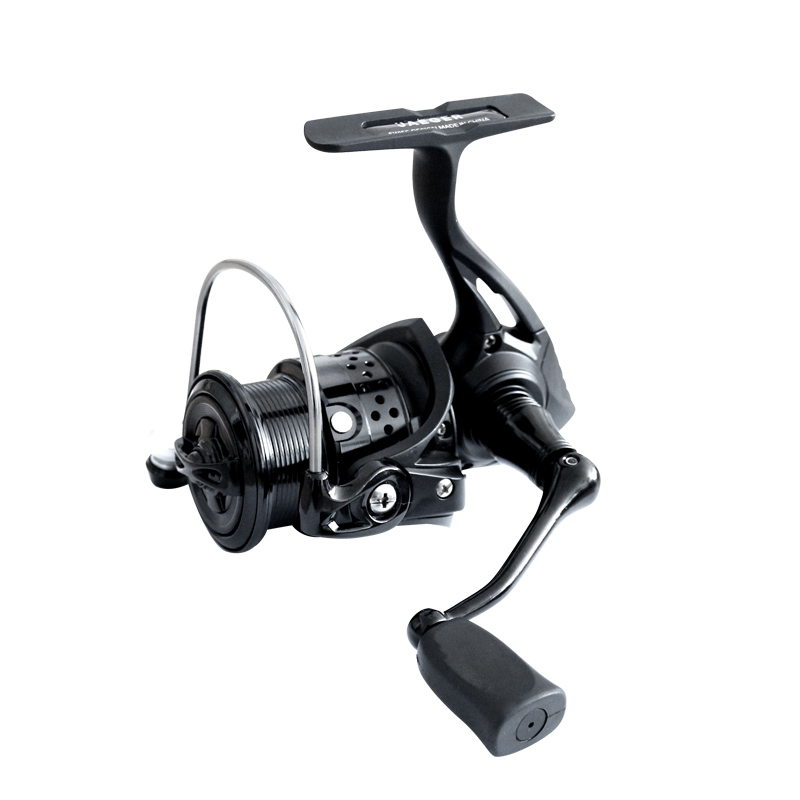
Factory reels often prioritize generic cost-efficiency over targeted performance. Exposing factory plastics to harsh sunscreen, sweat, and saltwater usually leads to degraded, sticky grips. When these grips slip under heavy load, anglers lose critical leverage during the fight. Upgrading fishing reel handles is not just a simple aesthetic modification. It represents a highly functional adjustment addressing biomechanics, retrieve consistency, and torque. You can easily contrast this active, tactile control with the passive engagement of an automatic fishing reel. Manual fishing demands absolute ergonomic precision. This guide provides a transparent, physics-based framework for evaluating aftermarket upgrades. You will learn how to select the right materials, avoid disrupted weight balance, and prevent internal gear strain. Discover how simple design tweaks reduce physical fatigue during long sessions, separating an adequate setup from a truly superior upgrade.
Key Takeaways
Ergonomics Over Aesthetics: Upgrading reduces hand fatigue and lactic acid buildup during extended fights, matching the handle shape to hand anatomy.
Configuration Dictates Control: Single handles offer higher torque for power fishing; double handles eliminate the "pendulum effect" for perfectly steady, slow retrieves.
Material Trade-offs are Real: EVA and cork prioritize lightweight tactile feedback, while aluminum and titanium prioritize rigid durability under heavy torque.
Mind the Balance: Adding an overly heavy or long handle can cause cantilever stress, creating wrist fatigue and prematurely wearing out internal gears.
Why Stock Handles Fail: The Ergonomics of Upgrade Decisions
Most buyers overlook the physical toll of stock components until discomfort sets in. The human hand relies on 27 individual bones and highly sensitive nerve networks. Poor handle design directly impacts your blood circulation over long hours on the water. When you grip an uncomfortable knob, you instinctively squeeze harder. This overcompensation accelerates hand fatigue and diminishes your sensitivity to subtle bites.
Chemical degradation acts as a silent killer for original equipment. Factory rubber and basic plastics deteriorate rapidly. They frequently turn into a sticky mess when exposed to DEET insect repellent, sunscreen, and natural hand oils. Once this chemical breakdown starts, you cannot reverse it. Slippery knobs cause missed hooksets and lost fish.
Offset designs provide a surprising medical advantage. Specific handle shapes, like T-shaped offset knobs, fundamentally alter your arm posture. They naturally push your elbow slightly away from your body. This subtle ergonomic shift improves blood circulation through the forearm. Improved circulation reduces lactic acid buildup during heavy, prolonged fights. You feel fresher after a full day of casting.
When you evaluate upgrades, you must define the problem you want to solve. Assess modifications based on curing specific factory-handle failures. Do your fingers slip when wet? Does the original handle flex under heavy drag? Prioritize mechanical solutions over purely visual appeal. This mindset ensures you spend money on genuine performance gains.
Single vs. Double Handles: Matching Configuration to Technique
Choosing between a single or double configuration depends entirely on your chosen technique. Each style offers unique mechanical advantages.
Single Handles (The Power Profile)
Strengths: Single configurations maintain a lighter overall profile. They deliver rapid response times for erratic "stop-and-go" retrieve techniques. More importantly, they provide superior leverage and torque. This makes them ideal for winching large species from deep water or wrestling fish out of heavy cover.
Limitations: They suffer from the "pendulum effect." Gravity naturally pulls the heavier single knob downward during the rotation cycle. This uneven force makes a dead-slow, perfectly uniform retrieve nearly impossible to achieve.
Double Handles (The Finesse & Balance Profile)
Strengths: Double handles achieve a perfect 50:50 dynamic weight distribution. They completely eliminate rod-tip shake during operation. This allows for hyper-steady, ultra-slow retrieves. Anglers targeting squid (eging) or throwing finesse jigs rely heavily on this balanced stability.
Limitations: They inevitably add overall weight to the reel system. Furthermore, they introduce a minor risk of your knuckles grazing the opposing knob during aggressive, erratic maneuvers.
Material Evaluation: Tactile Feedback vs. Long-Term Durability
Material selection dictates how your gear feels in diverse weather conditions. Every common grip material forces you to trade absolute durability for tactile sensitivity.
Cork and rubberized cork set the historical standard for high-end tactile feedback. They provide excellent grip even when thoroughly wet or coated in fish slime. Cork feels naturally warm on cold mornings. However, it remains highly susceptible to chipping, gouging, and pitting over years of hard use.
EVA foam enjoys immense popularity for aggressive weight reduction. It offers a soft, comfortable grip. Like cork, it stays warm in winter weather. Despite these benefits, some power anglers find EVA lacking. They argue it absorbs vibrations, muting the "solid" transmission feel needed for heavy hooksets.
Machined aluminum serves as the modern baseline for "power" modifications. It offers absolute zero flex and incredibly high durability. Aluminum stands as the practical choice for fishing heavy cover, throwing large swimbaits, and targeting catfish. As a risk, solid metal can feel brutally cold in winter and adds noticeable overall weight to your setup.
Titanium knobs represent the absolute premium tier. They provide the rigid strength of solid metal while weighing significantly less, often dropping under 15 grams per knob. Evaluation of titanium requires honesty. It delivers excellent performance, but it carries a steep price premium. This cost strays into aesthetic and emotional value rather than strict functional return on investment.
Material | Primary Strength | Main Limitation | Ideal Use Case |
Cork | Excellent wet grip & natural feel | Prone to chipping over time | Finesse, freshwater applications |
EVA Foam | Lightweight & comfortable | Mutes vibration transmission | All-around, cold-weather fishing |
Aluminum | Zero flex & extreme durability | Heavy & cold to the touch | Power fishing, heavy cover, swimbaits |
Titanium | Maximum strength-to-weight ratio | High cost & diminishing returns | Premium builds, saltwater resistance |
The Physics of Upgrading: Length, Torque, and Weight Balance
Your reel handle operates as a basic lever. Understanding simple physics prevents catastrophic damage to your gear. The leverage rule dictates how power transfers from your hand to the rotor.
Longer handles, typically those exceeding 100 millimeters, generate superior leverage. You need this mechanical advantage for winching large fish or pulling high-resistance swimbaits through the water. However, you sacrifice maximum rotational speed. Conversely, shorter handles under 70 millimeters excel in rapid line pickup and ultimate sensitivity. They require less wrist motion per revolution.
You must heed the "cantilever effect" warning. Installing heavily machined, aftermarket aluminum knobs pushes excessive weight far away from the reel's center of gravity. This imbalance creates twisting stress on your wrist during the retrieve. Over several hours, this lateral torque causes severe fatigue in your forearm.
Internal gear strain remains a critical consideration. A transparent warning applies here: drastically increasing your handle length fundamentally changes the torque applied to the reel’s main drive gear. Improperly sized power handles can prematurely strip soft internal gears. Many finesse reels simply lack the internal strength to handle the massive leverage generated by a 110-millimeter power arm.
Sizing and Compatibility: Ensuring a Seamless Fit
You should always expect a plug-and-play experience when buying premium aftermarket components. Evaluate upgrade brands based on their direct-fit engineering. You should never need to drill, grind, or permanently modify your expensive reel to install a new grip.
Bearing dimension standards dictate what components fit your reel. Understanding these technical baselines simplifies the buying process:
Shimano and Daiwa standard: These typically utilize 4x7x2.5mm bearings. You can often interchange knobs between these two brands using simple spacer adjustments.
Abu Garcia, Lew's, and Quantum standard: These reels typically utilize a slightly larger 5x8x2.5mm bearing structure.
Follow strict implementation steps to ensure safety and comfort. We recommend testing the upgraded setup before heading to the water.
Install the new handle and tighten all retention screws to factory spec.
Mount the reel onto your actual rod.
Hold the rod at the reel seat to evaluate the new center of balance.
Spin the handle aggressively to check for gear binding, unwanted wobble, or premature clutch engagement.
Conclusion
Upgrading your reel grip dramatically improves your overall time on the water. Let logic guide your final purchasing decision. First, choose your handle length based on the leverage needed for your target species. Second, choose a single or double configuration based on your required retrieve speed and technique. Finally, select your grip material based on your budget, climate, and need for tactile feedback.
Take immediate action to improve your setup. Measure your stock handle length today. Identify your core frustration on the water—whether it involves slipping, wrist fatigue, or a general lack of power. Always verify your reel’s specific bearing compatibility before you purchase an aftermarket component to ensure a flawless, functional upgrade.
FAQ
Q: Will adding a longer handle damage my reel?
A: Mild length increases are perfectly safe. However, installing drastically oversized power handles on light-duty reels causes problems. Excess leverage can over-torque the main shaft and permanently strip internal gears not rated for that specific load.
Q: How do manual upgraded handles compare to an automatic fishing reel system?
A: Automatic reels offer hands-free, passive line retrieval. Upgraded manual handles are strictly designed for active anglers. They provide precision tactile feedback, immediate hook-setting power, and allow for highly nuanced bait manipulation.
Q: Why does my baitcaster handle spin during a cast after upgrading?
A: This happens due to disrupted weight balance. Heavy aftermarket knobs generate excessive rotational inertia. During a forceful cast, this extra weight causes the handle to spin on its own, accidentally engaging the clutch mid-air.
Q: Are titanium reel knobs worth the premium over aluminum?
A: Titanium provides an impressive 40% weight reduction compared to solid aluminum while maintaining identical strength. However, the high cost brings heavily diminishing returns regarding actual catch rates. Buy titanium for long-term comfort and aesthetics, not a magic advantage.

